Blog Archives
New Research Raises Questions About Milfoil Management
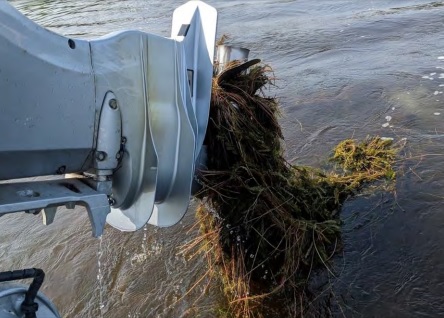
Eurasian watermilfoil remains one of the most challenging invasive aquatic plants facing lake managers today. While a variety of control methods are available, herbicide treatments continue to be a widely used tool for managing large infestations.
Recent research from Lake George, New York, has added a new dimension to the conversation. Scientists studying a ProcellaCOR treatment found evidence of herbicide compounds persisting in lake sediments months after application, raising questions about long-term environmental impacts and sediment interactions.
As lake associations and resource managers evaluate the best approaches for invasive plant control, understanding both the benefits and potential tradeoffs of available management tools is becoming increasingly important.
We’ve taken a closer look at the study findings, what they mean for lake managers, and how they fit into broader Eurasian watermilfoil management strategies.
Are Misconceptions Making Our Lakes Sicker?
Across the country, lakes are facing harmful algal blooms, oxygen loss, and stressed fish populations. Unfortunately, many common management practices are based on misconceptions—and instead of fixing the problem, they can make lakes even worse.
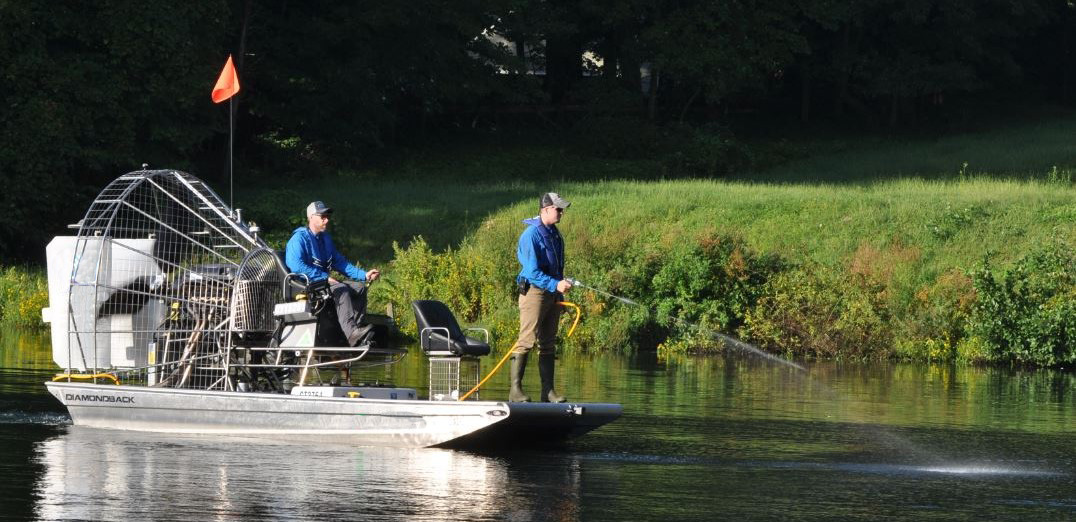
One of the biggest issues is the overuse of chemical treatments. While herbicides and algaecides may seem like a quick solution, they often create long-term damage. When algae are killed, they release toxins into the water. The decaying material consumes oxygen, creating “dead zones” and fueling the cycle for future blooms. What looks like a cure is often just another setback.
Another misconception is that surface conditions tell the full story. Clear water or oxygen near the top may look healthy, but deeper layers can be starved of oxygen and leaking nutrients from sediments—feeding the very problems we’re trying to solve.
It’s time to rethink how we manage our lakes. Smarter monitoring, oxygen restoration, and strategies that address both external and internal nutrient sources are critical if we want long-term recovery.

