Author Archives: Aquarius Systems
Aquatic Plants Keep Water Healthy
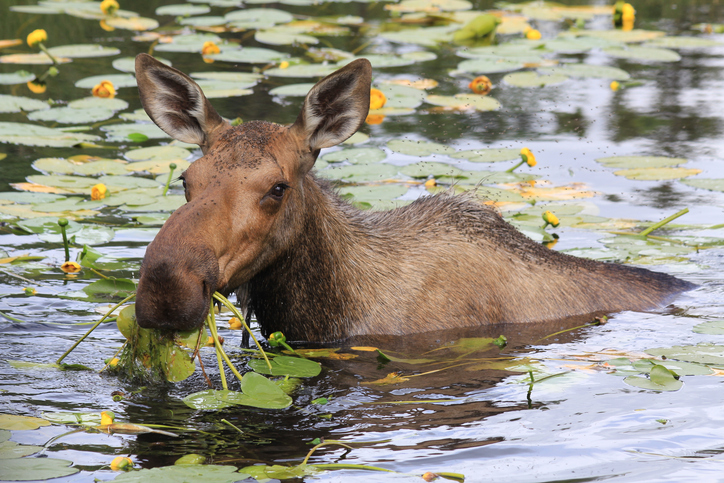
Aquatic plants are essential to the health of lakes, rivers, and wetlands. They produce oxygen, stabilize sediments, absorb excess nutrients, and provide critical habitat for fish and wildlife—forming the foundation of a balanced aquatic ecosystem.
But balance is everything. Too little vegetation can lead to poor water quality and habitat loss, while excessive growth can restrict water flow, limit recreation, and contribute to algae blooms as plants decay. Changing conditions like nutrient runoff and shifting weather patterns can quickly tip that balance.
Effective management isn’t about removing plants entirely—it’s about maintaining a healthy system. Targeted approaches like mechanical harvesting can control overgrowth while preserving the benefits aquatic plants provide.
Read the full article on our website: Aquatic Plants Keep Water Healthy
Smarter Solutions for Controlling Milfoil

For years, Northern Wisconsin lakes have spent hundreds of thousands of dollars trying to control Eurasian water milfoil with herbicides. The Lower Eagle River Chain of Lakes Commission, formed in 2007, is a prime example.
After a decade of chemical treatments costing up to $250,000 per year, the Commission stopped using herbicides. Within a few years, the milfoil population began rebounding. Manual removal is expensive — around $2,500 per day — and never fully effective.

An aquatic ecologist and others recommend a management-focused approach: targeting plants that interfere with navigation and recreation rather than trying to eradicate the entire population. Mechanical harvesting efficiently manages growth, maintains recreational access, and avoids repeated herbicide costs.
Spending hundreds of thousands on eradication is costly and temporary. Strategic, long-term management is the sustainable way forward for our lakes.
Are Misconceptions Making Our Lakes Sicker?
Across the country, lakes are facing harmful algal blooms, oxygen loss, and stressed fish populations. Unfortunately, many common management practices are based on misconceptions—and instead of fixing the problem, they can make lakes even worse.
One of the biggest issues is the overuse of chemical treatments. While herbicides and algaecides may seem like a quick solution, they often create long-term damage. When algae are killed, they release toxins into the water. The decaying material consumes oxygen, creating “dead zones” and fueling the cycle for future blooms. What looks like a cure is often just another setback.
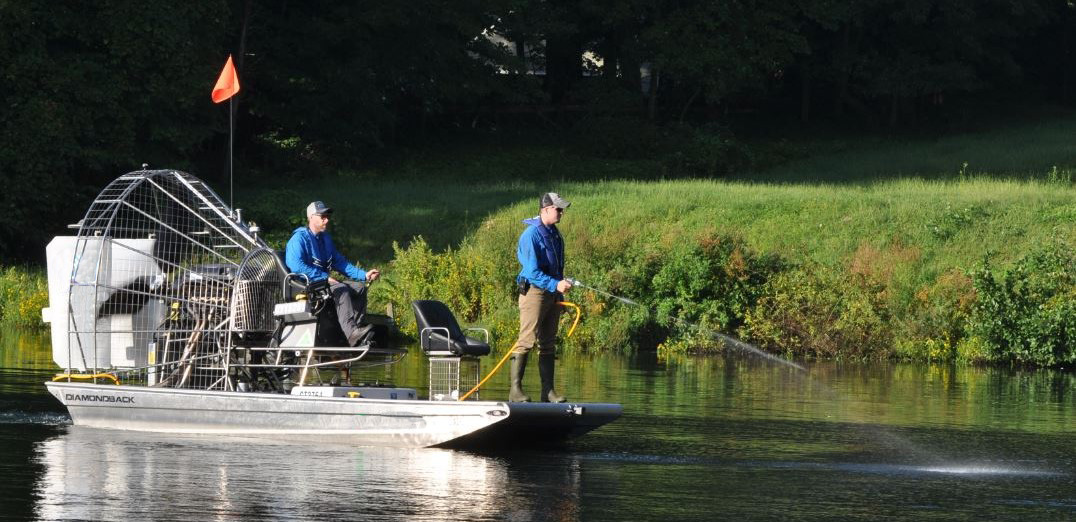
Another misconception is that surface conditions tell the full story. Clear water or oxygen near the top may look healthy, but deeper layers can be starved of oxygen and leaking nutrients from sediments—feeding the very problems we’re trying to solve.
It’s time to rethink how we manage our lakes. Smarter monitoring, oxygen restoration, and strategies that address both external and internal nutrient sources are critical if we want long-term recovery.
Quagga Mussel Treatment in Idaho Raises Concerns
In 2023, Idaho used a copper-based chemical treatment on the Snake River near Twin Falls to fight invasive quagga mussels. While the goal was eradication, the outcome shows more harm than success.
The treatment caused widespread losses of native species—fish, mussels, snails, and insects were hit hard. Nearly the entire local sturgeon population was wiped out, and more than 7,000 pounds of copper settled into the riverbed, creating long-term toxicity risks.

Even with these lethal side effects, the mussels weren’t eliminated. Larvae were still detected a year later, forcing another round of chemical treatment.
This case shows why relying on aquatic chemicals is a risky approach. They may temporarily suppress invasive species, but they often leave behind long-lasting damage to ecosystems, water quality, and native wildlife. Smarter solutions are needed to protect our rivers without poisoning them.
Big Wakes, Bigger Questions
Wake boats are growing in popularity on Wisconsin lakes, but the waves they create come with consequences. The powerful wakes can erode shorelines, stir up sediment that fuels algae blooms, damage fish habitat, and disrupt other recreational users like kayakers and swimmers.
States across the country are experimenting with regulations—setbacks from shore, minimum depths, and lake-specific restrictions—but Wisconsin still faces a patchwork of local rules. Balancing recreation, safety, and environmental protection is the challenge.
Read the full article on our website: Big Wakes, Bigger Questions

Invasive Weeds and Herbicides Are Threatening Fish in Flint Lake
Flint Lake in Valparaiso, Indiana, is struggling with invasive Eurasian milfoil — a fast-spreading aquatic weed that’s clogging waterways and harming fish populations. While herbicides are often used to control the problem, they can create oxygen-depleting decay zones and destroy vital native plants that young fish rely on for shelter and food.
The lake’s challenges highlight the need for smarter, more sustainable management methods that control weeds without compromising aquatic ecosystems.
Read the full article on our website: Invasive Weeds and Herbicides Are Threatening Fish in Flint Lake

Restoring Lake Victoria: Battling the Water Hyacinth Invasion
Lake Victoria, one of the world’s largest freshwater lakes, plays a vital role for millions of people in Kenya, Tanzania, and Uganda. Unfortunately, the lake continues to struggle with one of the most aggressive invasive plants on Earth — water hyacinth.
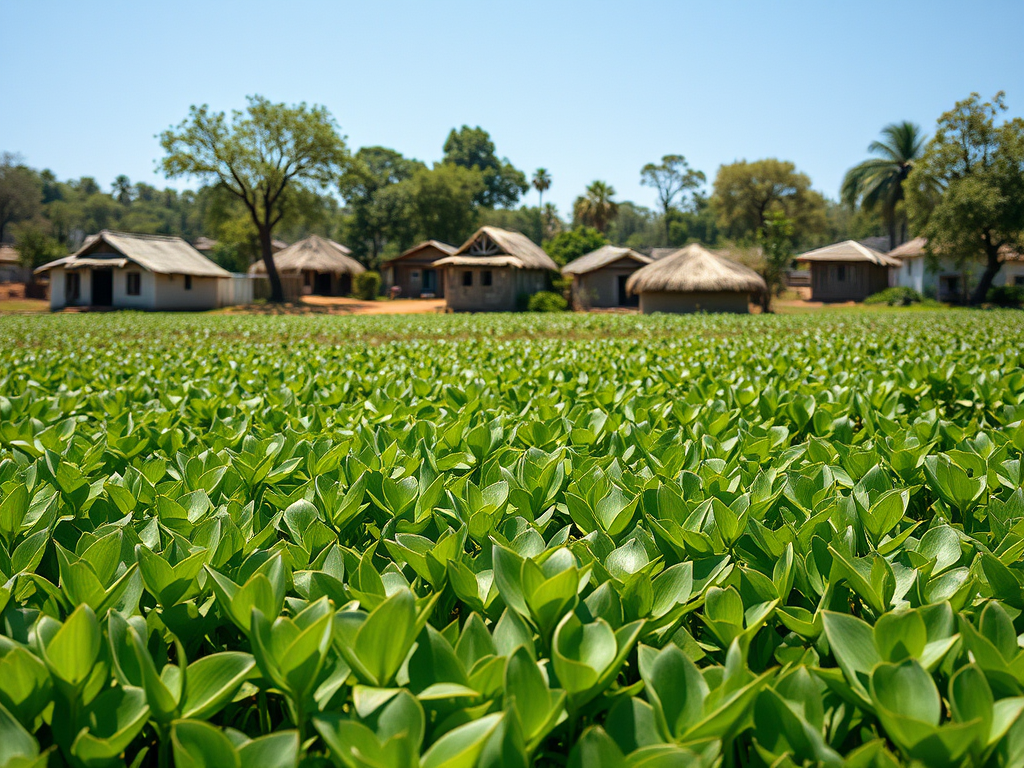
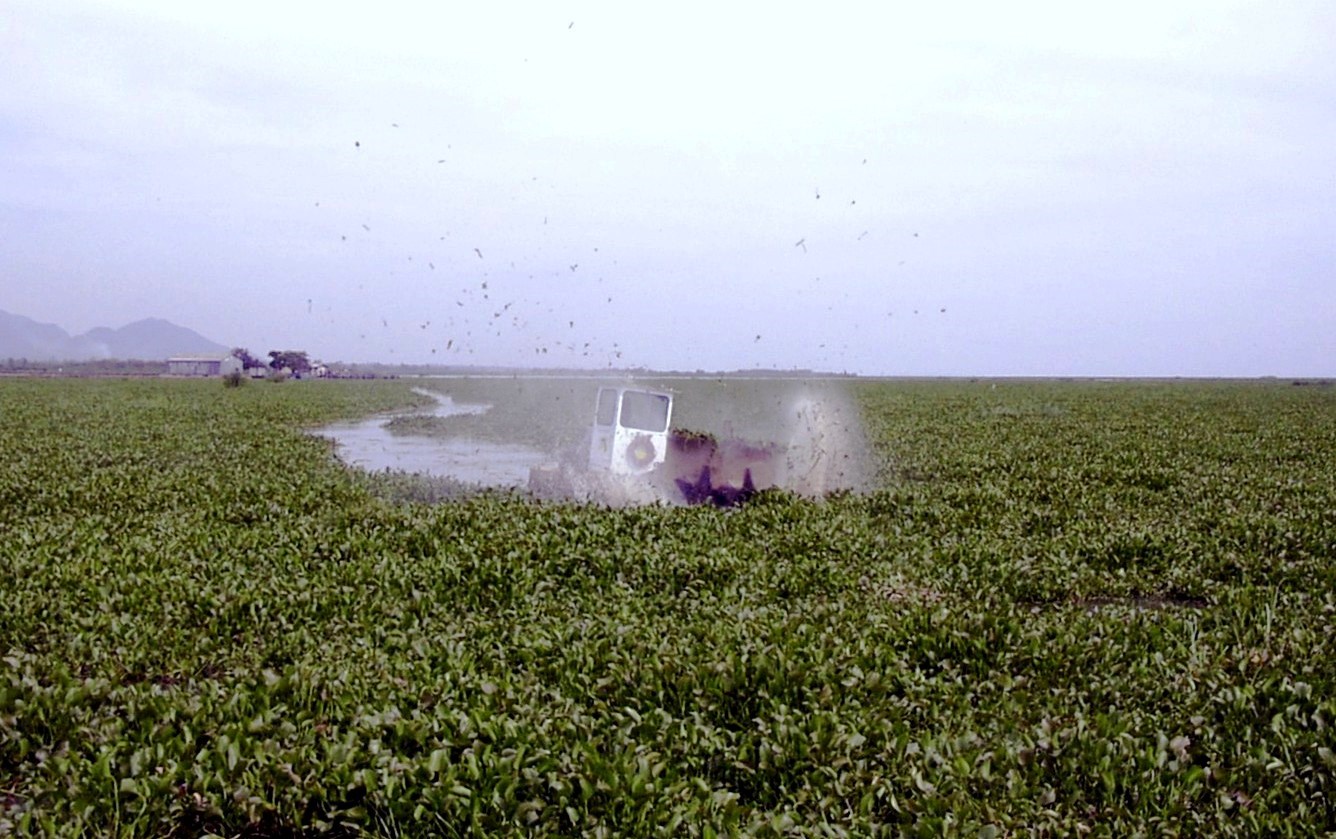
These fast-growing plants form dense mats that block fishing, navigation, and sunlight, threatening both local economies and the lake’s ecosystem. To help combat the problem, Aquarius Systems has joined efforts under the Lake Victoria Environmental Management Project (LVEMP) to remove thousands of hectares of water hyacinth using specialized mechanical equipment.
This project highlights how mechanical removal offers an environmentally friendly solution compared to chemical treatments — helping restore balance to the lake while protecting aquatic life.
Read the full story on our website: Restoring Lake Victoria: Battling the Water Hyacinth Invasion
Wisconsin Wake Boat Bans, Neighbors Pitted Against Each Other
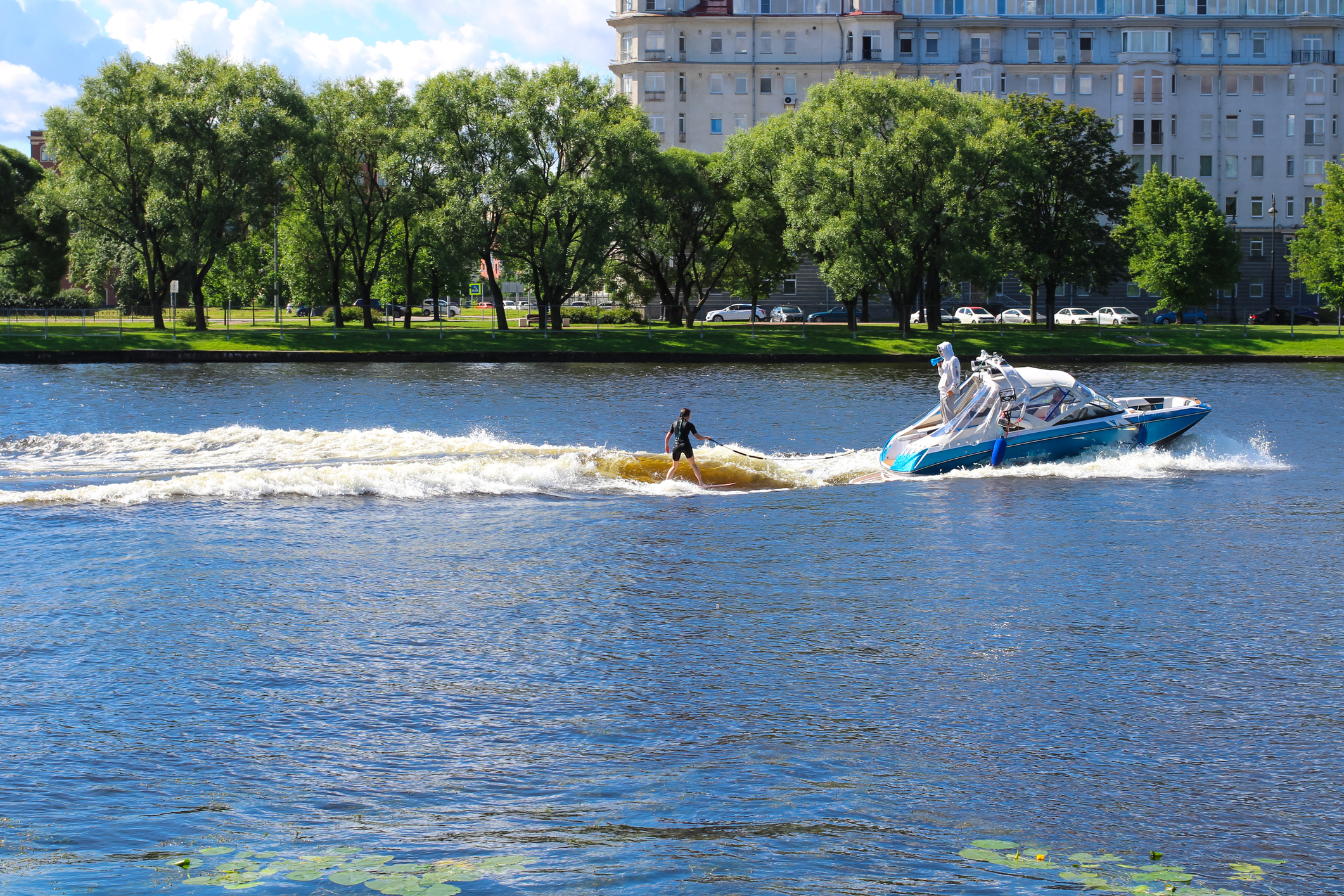
Wake boats, designed to create large waves for water sports, have sparked growing conflict on Wisconsin’s lakes. While fun for wakeboarders and surfers, their large wakes can erode shorelines, stir up sediments, harm aquatic habitats, and create safety concerns for other lake users.
As tensions rise, more Wisconsin communities are taking action — with 31 now enacting ordinances restricting wake-enhancing boat operations across nearly 200 lakes statewide.
Read the full article on our website: Wisconsin Wake Boat Bans, Neighbors Pitted Against Each Other
The Benefits of Fall Aquatic Weed Harvesting

As temperatures cool, fall offers the perfect opportunity to harvest aquatic weeds and prepare lakes and ponds for the next growing season. Removing excess plant material before winter helps manage nutrients, prevent algae blooms, and improve water clarity.
Fall harvesting also helps control invasive species, allows easier access with lower water levels, and sets the stage for a healthier ecosystem come spring.

Read the full article on our website: The Benefits of Fall Aquatic Weed Harvesting
Protecting Wisconsin Waters for 50 Years

In 2024, Wisconsin celebrates 50 years of Chapter 33: Public Inland Waters — the landmark law that established a cooperative framework for managing and protecting the state’s lakes and rivers. This legislation led to the creation of over 250 lake districts, each working to preserve water quality and support sustainable use for generations to come.
As stakeholders gather in Stevens Point to reflect on five decades of progress, the focus remains on continuing Wisconsin’s strong legacy of lake, river, and watershed stewardship.
Read the full article on our website: Protecting Wisconsin Waters for 50 Years
 Aquarius Systems