Blog Archives
Are Misconceptions Making Our Lakes Sicker?
Across the country, lakes are facing harmful algal blooms, oxygen loss, and stressed fish populations. Unfortunately, many common management practices are based on misconceptions—and instead of fixing the problem, they can make lakes even worse.
One of the biggest issues is the overuse of chemical treatments. While herbicides and algaecides may seem like a quick solution, they often create long-term damage. When algae are killed, they release toxins into the water. The decaying material consumes oxygen, creating “dead zones” and fueling the cycle for future blooms. What looks like a cure is often just another setback.
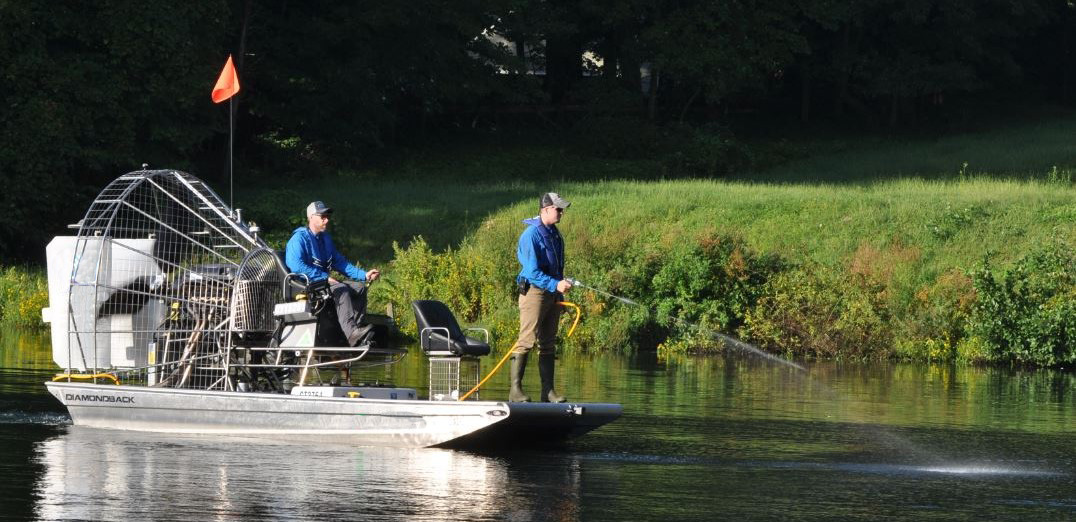
Another misconception is that surface conditions tell the full story. Clear water or oxygen near the top may look healthy, but deeper layers can be starved of oxygen and leaking nutrients from sediments—feeding the very problems we’re trying to solve.
It’s time to rethink how we manage our lakes. Smarter monitoring, oxygen restoration, and strategies that address both external and internal nutrient sources are critical if we want long-term recovery.
Invasive Weeds and Herbicides Are Threatening Fish in Flint Lake
Flint Lake in Valparaiso, Indiana, is struggling with invasive Eurasian milfoil — a fast-spreading aquatic weed that’s clogging waterways and harming fish populations. While herbicides are often used to control the problem, they can create oxygen-depleting decay zones and destroy vital native plants that young fish rely on for shelter and food.
The lake’s challenges highlight the need for smarter, more sustainable management methods that control weeds without compromising aquatic ecosystems.
Read the full article on our website: Invasive Weeds and Herbicides Are Threatening Fish in Flint Lake

 Aquarius Systems