Blog Archives
Are Misconceptions Making Our Lakes Sicker?
Across the country, lakes are facing harmful algal blooms, oxygen loss, and stressed fish populations. Unfortunately, many common management practices are based on misconceptions—and instead of fixing the problem, they can make lakes even worse.
One of the biggest issues is the overuse of chemical treatments. While herbicides and algaecides may seem like a quick solution, they often create long-term damage. When algae are killed, they release toxins into the water. The decaying material consumes oxygen, creating “dead zones” and fueling the cycle for future blooms. What looks like a cure is often just another setback.

Another misconception is that surface conditions tell the full story. Clear water or oxygen near the top may look healthy, but deeper layers can be starved of oxygen and leaking nutrients from sediments—feeding the very problems we’re trying to solve.
It’s time to rethink how we manage our lakes. Smarter monitoring, oxygen restoration, and strategies that address both external and internal nutrient sources are critical if we want long-term recovery.
Road Salt Making U.S. Lakes Saltier
Each winter, road crews work hard to keep drivers safe—but the heavy use of road salt is taking a toll on our lakes and streams.
Researchers found that 44% of U.S. lakes are at risk of salinization, meaning salt buildup is harming water quality, wildlife, and soil health. With an estimated 22 million tons of salt applied to roads each year, much of it ends up washing into nearby waterways.
Read the full article on our website: Road Salt Making U.S. Lakes Saltier
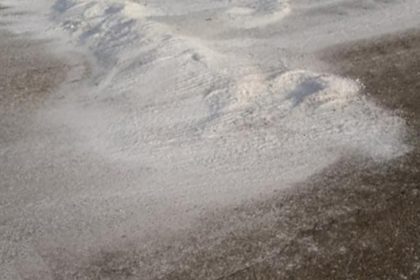

To Salt or Not to Salt
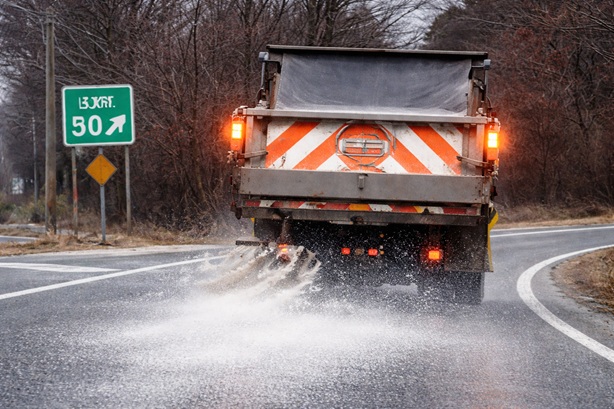
After Portland’s first snowstorm left roads frozen and traffic snarled for hours, city officials are reconsidering their stance on using road salt. While salt helps melt ice and improve safety, it can also corrode infrastructure and harm the environment. In Minnesota, chloride levels in many lakes and rivers now exceed safe standards — and just one teaspoon of road salt can permanently pollute five gallons of water.
Read the full article on our website: To Salt or Not to Salt
Water Quality Month

The EPA reports that 40% of U.S. waterways suffer from water quality problems. Stormwater runoff from rooftops, pavement, and yards carries pollutants like oil, pet waste, fertilizers, and pesticides into local streams, rivers, and the ocean. Simple actions—like using non-toxic products and properly disposing of medications—can help protect local water quality.
Read the full article on our website: Water Quality Month
 Aquarius Systems