Blog Archives
Invasive Weeds and Herbicides Are Threatening Fish in Flint Lake
Flint Lake in Valparaiso, Indiana, is struggling with invasive Eurasian milfoil — a fast-spreading aquatic weed that’s clogging waterways and harming fish populations. While herbicides are often used to control the problem, they can create oxygen-depleting decay zones and destroy vital native plants that young fish rely on for shelter and food.
The lake’s challenges highlight the need for smarter, more sustainable management methods that control weeds without compromising aquatic ecosystems.
Read the full article on our website: Invasive Weeds and Herbicides Are Threatening Fish in Flint Lake

Milfoil — Beating back the invader
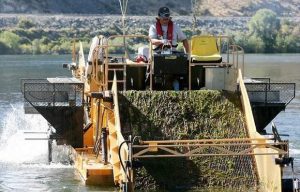
Along the Columbia River, milfoil, an invasive aquatic weed, can make boating and recreation difficult. Park maintenance crews use a milfoil harvester, which cuts and collects the plants, keeping waterways clear and safe for visitors.
Once harvested, the milfoil is taken to compost piles, where it naturally breaks down, providing an eco-friendly solution for managing invasive plants. This method helps maintain the river environment while ensuring parks remain accessible and enjoyable.
Think Twice When Fertilizing your Lawn This Fall
Everyone lives in a watershed, meaning what happens on your lawn can affect nearby lakes, rivers, and streams. As fall arrives and homeowners prepare to fertilize, it’s important to remember that phosphates—a common ingredient in lawn fertilizer—can lead to algae growth and poor water quality.
Practicing responsible lawn care helps protect waterways from pollution. The EPA offers helpful resources and videos on how to maintain a healthy lawn while reducing runoff and nutrient pollution.
Read the full article on our website: Think Twice When Fertilizing Your Lawn This Fall
What is an Aquatic Weed Harvester?
Aquatic Weed Harvesters provide an environmentally friendly way to manage nuisance vegetation in lakes, ponds, and waterways of all sizes. Acting like an underwater lawn mower, they cut and collect submerged, emergent, and floating plants to keep water clear and usable.
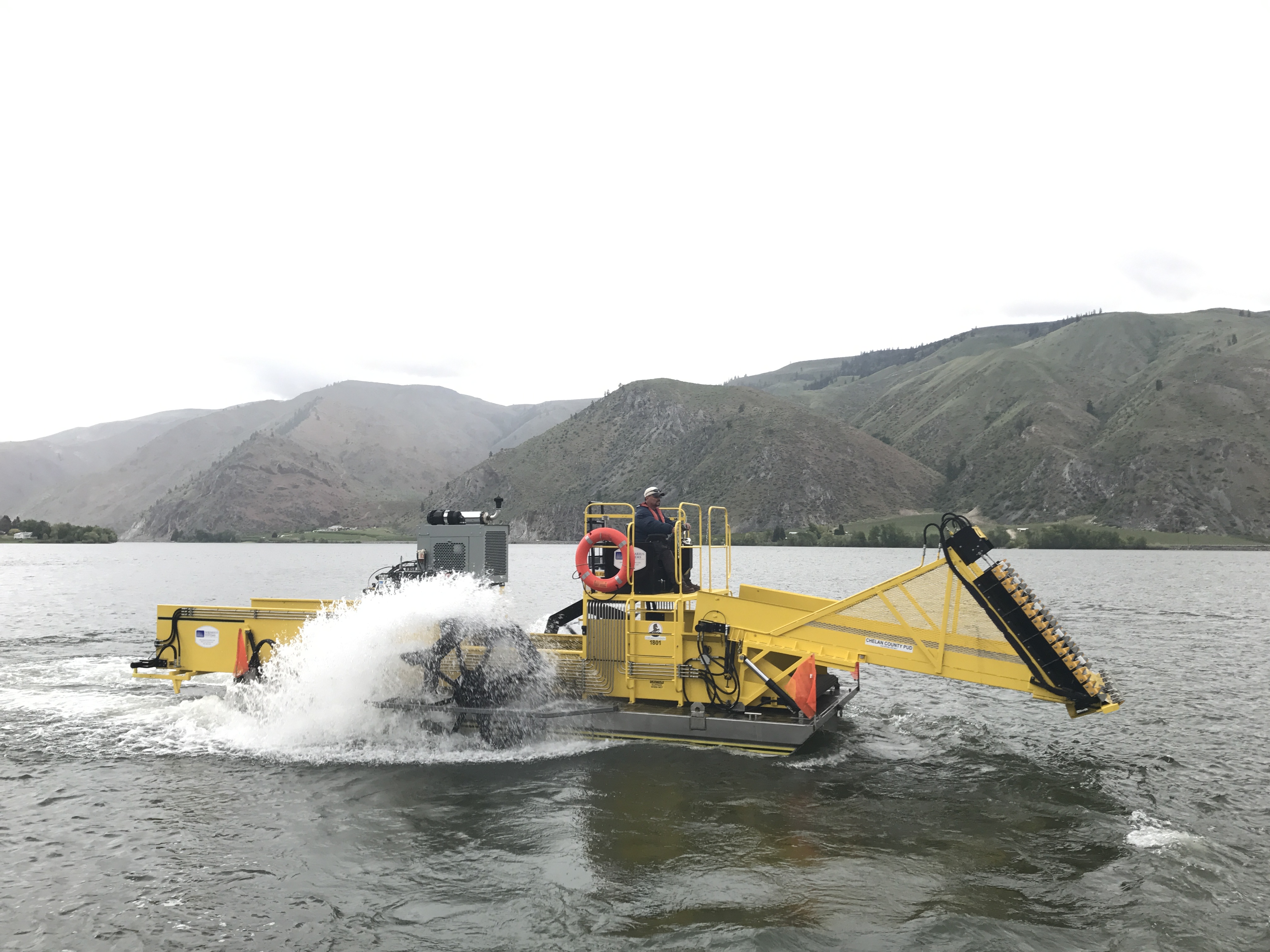
Each machine uses a forward conveyor and cutter bars to remove weeds, storing them on board before offloading at shore. Aquarius Systems offers a range of customizable models to meet specific lake and vegetation needs, helping restore balance to aquatic environments.
Read the full article on our website: What Is an Aquatic Weed Harvester?
DNR “Mows” Dogwood Lake
At Indiana’s Glendale Fish and Wildlife Area, DNR staff used an Aquatic Weed Harvester to manage overgrown lotus pads and coontail on Dogwood Lake. This effort helps maintain healthy waterways and ensures better conditions for fishing and recreation.
Aquatic plant harvesting provides an environmentally friendly way to control vegetation growth without chemicals — improving water quality and access for boaters and anglers.
Read the full story on our website: DNR “Mows” Dogwood Lake
 Aquarius Systems