Blog Archives
Invasive Weeds and Herbicides Are Threatening Fish in Flint Lake
Flint Lake in Valparaiso, Indiana, is struggling with invasive Eurasian milfoil — a fast-spreading aquatic weed that’s clogging waterways and harming fish populations. While herbicides are often used to control the problem, they can create oxygen-depleting decay zones and destroy vital native plants that young fish rely on for shelter and food.
The lake’s challenges highlight the need for smarter, more sustainable management methods that control weeds without compromising aquatic ecosystems.
Read the full article on our website: Invasive Weeds and Herbicides Are Threatening Fish in Flint Lake

Protecting the Lake
Pewaukee Lake was created in 1838 and has faced decades of aquatic plant management challenges. For years, herbicides were used to control invasive weeds—but in 1985, the Lake Pewaukee Sanitary District discontinued chemicals and expanded its mechanical harvesting program instead.
By removing plants rather than killing them with herbicides, the district has reduced nutrients that fuel regrowth, encouraged native plant diversity, and supported a healthier ecosystem—all while balancing recreation and environmental protection.
Read the full article on our website: Protecting Pewaukee Lake

Spreading the Invaders
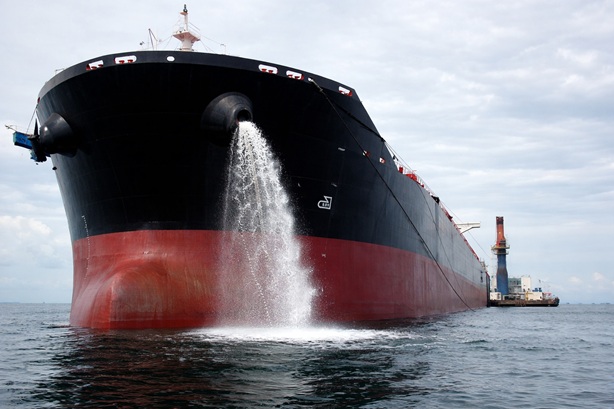
Nearly 80% of non-native species on the West Coast were first seen in California. While ballast water from cargo ships is a major source, recreational boating and even aquarium dumping have also spread invasive species, costing the state millions.
Read the full article on our website: Spreading the Invaders
June is Invasive Species Month in Wisconsin
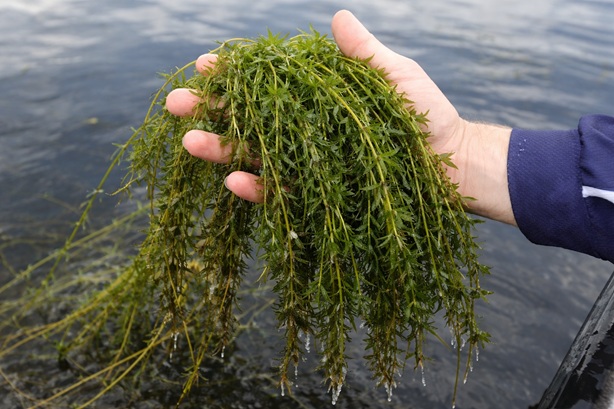
Invasive species are non-native plants, animals, or insects that can damage ecosystems because they lack natural predators. Wisconsin’s NR40 rule helps residents identify, prevent, and control invasives like Eurasian watermilfoil, northern snakehead, and round goby.
The DNR emphasizes five best practices for landowners and visitors:
-
Prevention – Inspect clothing and gear, avoid known infested areas, clean equipment, and plant only native species.
-
Early Detection & Rapid Response – Report sightings quickly to reduce spread.
-
Containment & Removal – Use integrated pest management to slow and remove invaders.
-
Monitoring – Regularly check affected areas to catch return infestations.
-
Restoration – Rehabilitate affected sites to help ecosystems recover.
Everyone in Wisconsin—residents, landowners, and outdoor enthusiasts—plays a role in keeping ecosystems healthy by following these steps.
Learn more about Wisconsin’s invasive species and reporting: DNR Invasive Species
 Aquarius Systems