Blog Archives
Smarter Solutions for Controlling Milfoil

For years, Northern Wisconsin lakes have spent hundreds of thousands of dollars trying to control Eurasian water milfoil with herbicides. The Lower Eagle River Chain of Lakes Commission, formed in 2007, is a prime example.
After a decade of chemical treatments costing up to $250,000 per year, the Commission stopped using herbicides. Within a few years, the milfoil population began rebounding. Manual removal is expensive — around $2,500 per day — and never fully effective.

An aquatic ecologist and others recommend a management-focused approach: targeting plants that interfere with navigation and recreation rather than trying to eradicate the entire population. Mechanical harvesting efficiently manages growth, maintains recreational access, and avoids repeated herbicide costs.
Spending hundreds of thousands on eradication is costly and temporary. Strategic, long-term management is the sustainable way forward for our lakes.
June is Invasive Species Month in Wisconsin
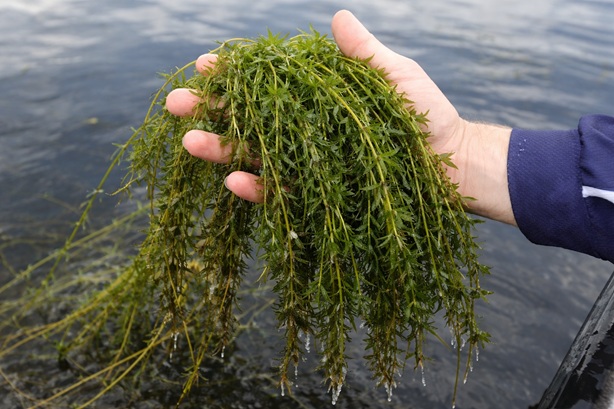
Invasive species are non-native plants, animals, or insects that can damage ecosystems because they lack natural predators. Wisconsin’s NR40 rule helps residents identify, prevent, and control invasives like Eurasian watermilfoil, northern snakehead, and round goby.
The DNR emphasizes five best practices for landowners and visitors:
-
Prevention – Inspect clothing and gear, avoid known infested areas, clean equipment, and plant only native species.
-
Early Detection & Rapid Response – Report sightings quickly to reduce spread.
-
Containment & Removal – Use integrated pest management to slow and remove invaders.
-
Monitoring – Regularly check affected areas to catch return infestations.
-
Restoration – Rehabilitate affected sites to help ecosystems recover.
Everyone in Wisconsin—residents, landowners, and outdoor enthusiasts—plays a role in keeping ecosystems healthy by following these steps.
Learn more about Wisconsin’s invasive species and reporting: DNR Invasive Species
 Aquarius Systems