Blog Archives
Restoring Lake Victoria: Battling the Water Hyacinth Invasion
Lake Victoria, one of the world’s largest freshwater lakes, plays a vital role for millions of people in Kenya, Tanzania, and Uganda. Unfortunately, the lake continues to struggle with one of the most aggressive invasive plants on Earth — water hyacinth.
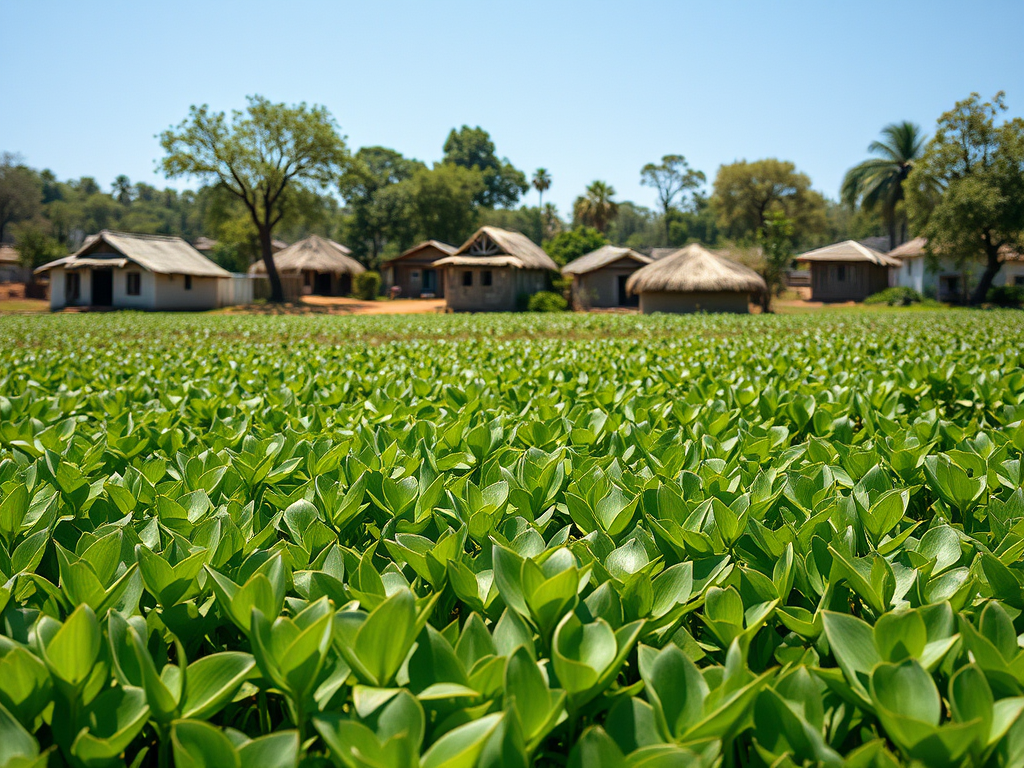
These fast-growing plants form dense mats that block fishing, navigation, and sunlight, threatening both local economies and the lake’s ecosystem. To help combat the problem, Aquarius Systems has joined efforts under the Lake Victoria Environmental Management Project (LVEMP) to remove thousands of hectares of water hyacinth using specialized mechanical equipment.
This project highlights how mechanical removal offers an environmentally friendly solution compared to chemical treatments — helping restore balance to the lake while protecting aquatic life.
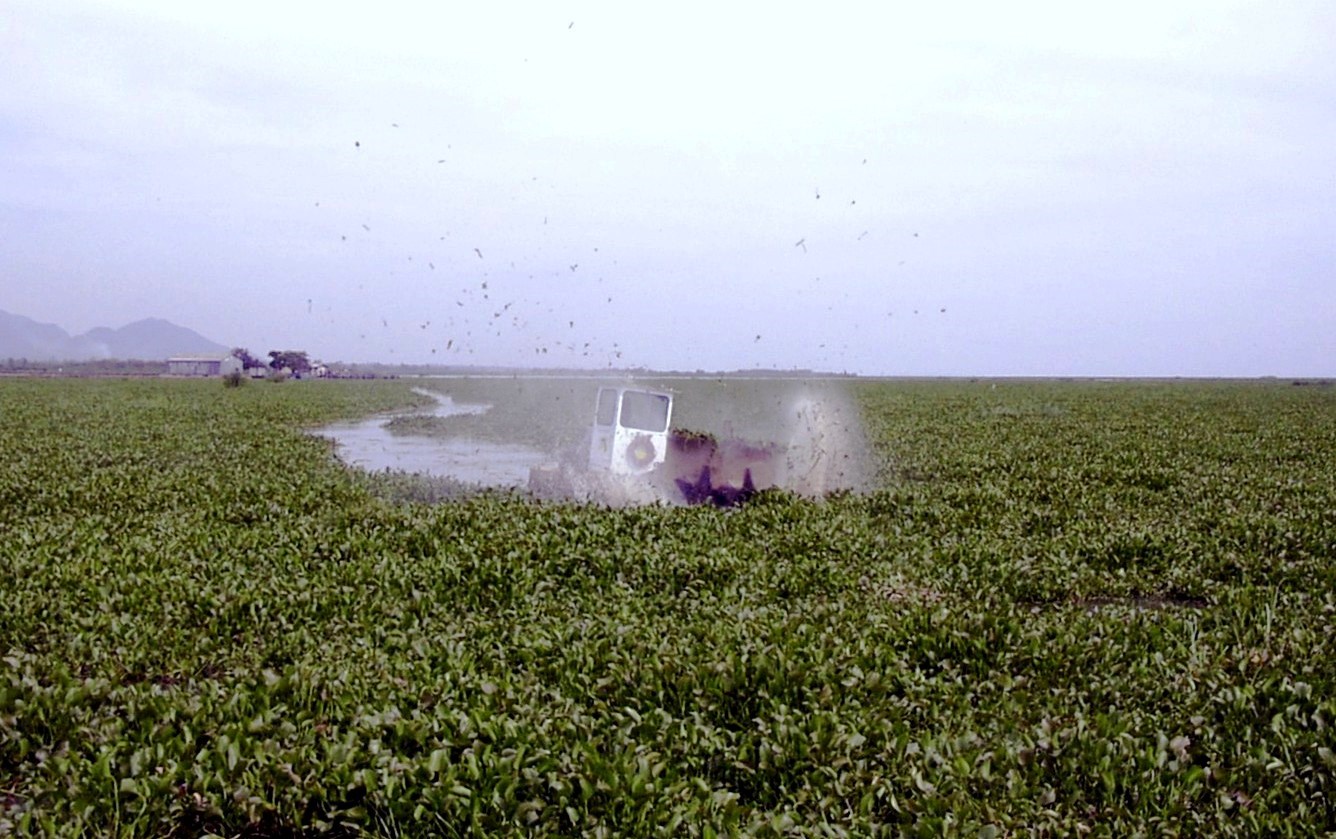
Read the full story on our website: Restoring Lake Victoria: Battling the Water Hyacinth Invasion
A Tale of Two Harvesters
Growing up on Potter’s Lake in Wisconsin, summer days meant fishing, swimming, and watching aquatic weed harvesters at work. Decades later, it turns out two colleagues at Aquarius Systems shared that same childhood experience—though they had each watched different harvesters over the years.
The first machine, purchased in 1976, was the classic “Aquarius Blue,” while the lake upgraded to a stainless-steel harvester in 1985, which is still in operation today. A small world, connected by lakes and harvesters!
Read the full article on our website: A Tale of Two Harvesters

Strategic Aquatic Plant Harvesting as a Multi-faceted In-Lake Management Tool
Research on Kohlman Lake in Minnesota shows how mechanical aquatic plant harvesting can play a vital role in improving water quality and supporting balanced lake management.
By selectively removing about 14% of peak plant mass, researchers found that harvesting eliminated 24% of the phosphorus captured by plants—making it a cost-effective method compared to traditional watershed management practices. Beyond improving navigation and recreation, strategic harvesting contributes to healthier, clearer lakes.
Read the full article on our website: Strategic Aquatic Plant Harvesting as a Multi-faceted In-Lake Management Tool

Aquatic Weed Harvester Helps to Restore Pond
Restoration efforts at Georgica Pond are showing results thanks to an aquatic weed harvester removing nutrient-rich algae that fuel toxic cyanobacteria blooms.
Read the full article on our website: Aquatic Weed Harvester Helps to Restore Pond
Mechanical Harvesting an Economical Choice
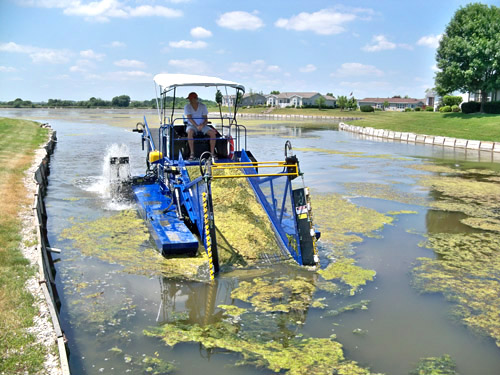
Aquatic vegetation can hurt water quality, recreation, tourism, property values, and communities financially. Mechanical harvesting may seem expensive upfront, but over a 10–30 year lifetime, it’s highly cost-effective. Harvesters use little fuel, require minimal maintenance, and even have resale value. Properly maintained equipment can last decades, making mechanical harvesting a smart long-term investment.
Read the full article on our website: Mechanical Harvesting an Economical Choice

This 30 year old Aquatic Plant Harvester is still operational and in use.
Advantages of Aquatic Weed Harvesting
Mechanical harvesting of aquatic weeds offers many benefits over chemical control or doing nothing. It provides immediate relief from nuisance plants, improves navigation and recreation, removes excess nutrients like nitrogen and phosphorus, and leaves living plants behind to continue supporting oxygen and habitat. Harvesting also reduces muck buildup, improves fishing access, and creates compostable vegetation for soil enrichment.
Read the full article on our website: Advantages of Aquatic Weed Harvesting

Aquatic Invasive Species: Hydrilla
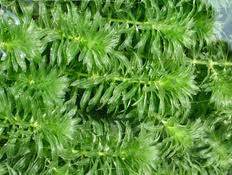
Hydrilla, native to Africa, has become a widespread invasive aquatic plant in U.S. waters. It forms dense mats that interfere with recreation and harm fish and wildlife habitats. Hydrilla spreads easily via seeds and fragments, making control challenging.
Management methods include:
Biological: Grass carp consume hydrilla but may also eat native plants.
Chemical: Herbicides are effective but can cause oxygen depletion and resistance.
Physical: Hand pulling, drawdowns, and aeration are labor-intensive.
Mechanical: Aquatic weed harvesters cut and remove hydrilla, providing immediate, environmentally friendly results while preventing nutrient buildup.
Read the full article on our website: Hydrilla Control
World Water Day, March 22

World Water Day, observed annually on March 22, highlights the importance of freshwater and sustainable management of water resources. It encourages global awareness, action, and solutions to challenges such as water pollution, scarcity, and the protection of aquatic ecosystems.
Aquarius Systems supports healthy waterways by providing tools and solutions to manage aquatic plants and maintain water quality.
Read the full article on our website: World Water Day, March 22
Keeping Our Waterways Weed Free
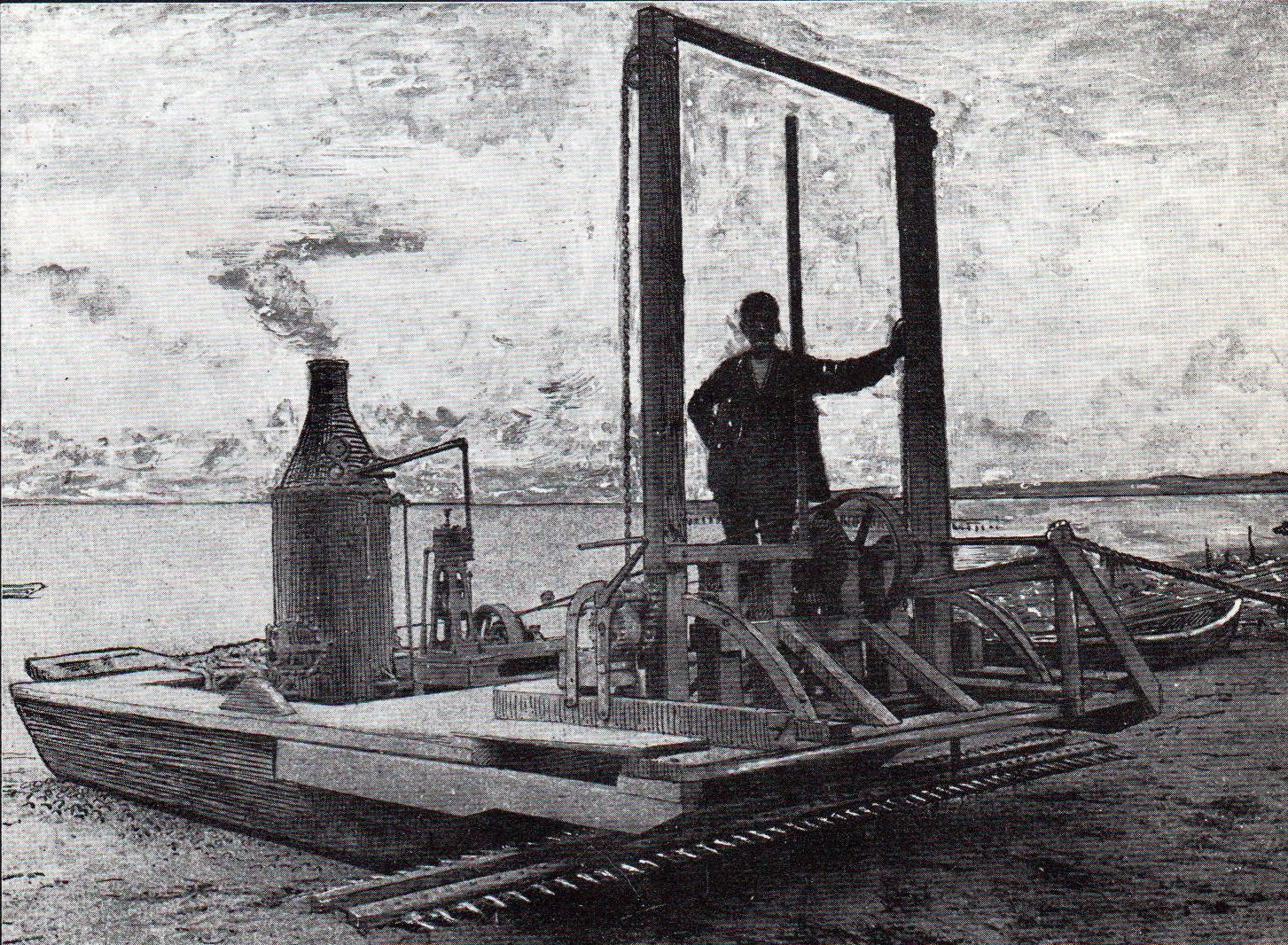
Aquatic weeds have been a challenge for centuries, from manual clearing to the invention of early cutter boats in the 1900s. Today, modern Aquarius Systems weed harvesters act like underwater lawn mowers, cutting and collecting vegetation efficiently while minimizing environmental impact.
Mechanical harvesting removes nutrients, reduces sedimentation, and keeps waterways safe and usable — all without the restrictions of chemicals or herbicides. With ongoing innovation, aquatic weed harvesters continue to evolve to meet the growing global need for healthy, navigable waterways.
Read the full article on our website: Keeping Our Waterways Weed Free
Aquatic Weed Harvesting Success in Malawi

Floating aquatic weeds caused major problems for Malawi’s hydroelectric plants, blocking intakes and causing millions in repair costs. To address the issue, Aquarius Systems introduced a mechanical weed management system, including a Swamp Devil™ shredder, weed harvester, and shore conveyor.
The project has eliminated plant shutdowns, improved hydro station efficiency, and created local jobs. Harvested weeds are also repurposed as fertilizer, benefiting nearby farmers while helping control invasive vegetation naturally.
Read the full article on our website: Aquatic Weed Harvesting Success in Malawi
 Aquarius Systems