Blog Archives
Invasive Weeds and Herbicides Are Threatening Fish in Flint Lake
Flint Lake in Valparaiso, Indiana, is struggling with invasive Eurasian milfoil — a fast-spreading aquatic weed that’s clogging waterways and harming fish populations. While herbicides are often used to control the problem, they can create oxygen-depleting decay zones and destroy vital native plants that young fish rely on for shelter and food.
The lake’s challenges highlight the need for smarter, more sustainable management methods that control weeds without compromising aquatic ecosystems.
Read the full article on our website: Invasive Weeds and Herbicides Are Threatening Fish in Flint Lake

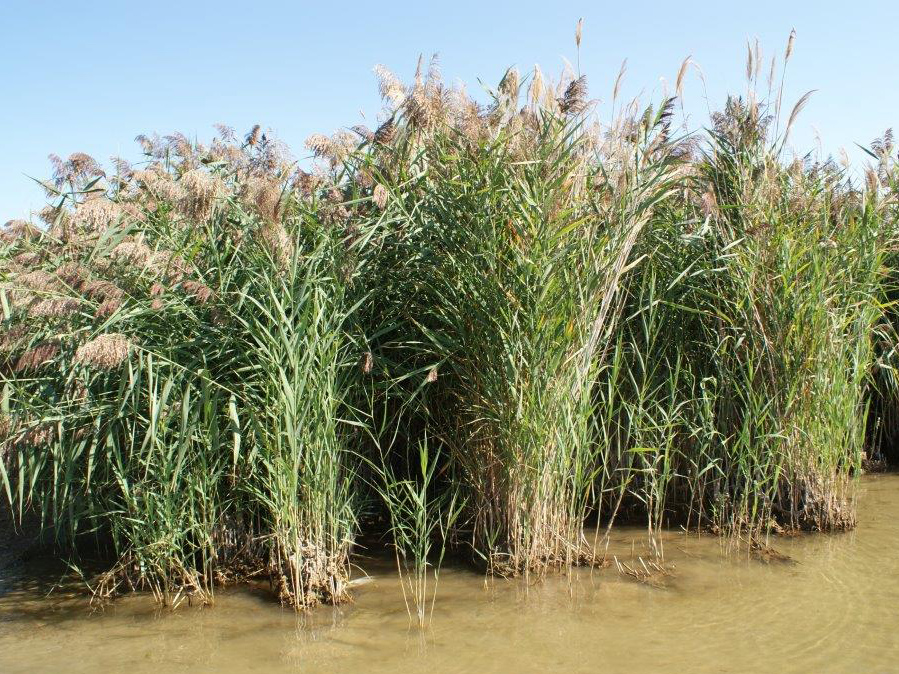
The Pros and Cons of Phragmites
Phragmites, the invasive 12-foot-tall wetland grass, can dominate freshwater ecosystems—altering water flow, displacing native plants, and reducing habitat quality for wildlife. Herbicides or burning can reduce its spread, but these methods have environmental trade-offs.
Interestingly, phragmites also offer benefits: their root networks help protect marshes from rising sea levels, capture nutrients like nitrogen and phosphorus, store carbon, and even absorb legacy industrial pollutants.
The question remains—do the benefits outweigh the harms?
Read the full article on our website: The Pros and Cons of Phragmites
Spreading the Invaders
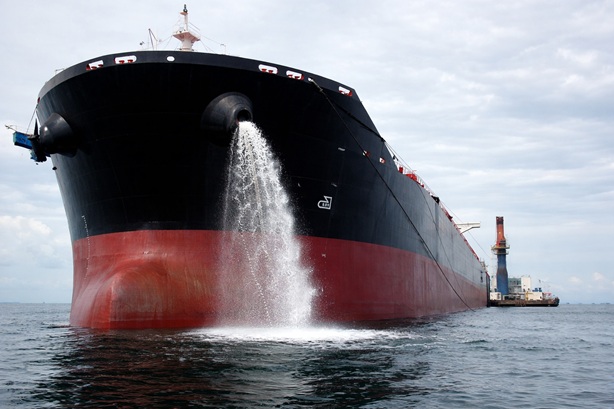
Nearly 80% of non-native species on the West Coast were first seen in California. While ballast water from cargo ships is a major source, recreational boating and even aquarium dumping have also spread invasive species, costing the state millions.
Read the full article on our website: Spreading the Invaders
Innovative Weaponry in the Fight Against AIS
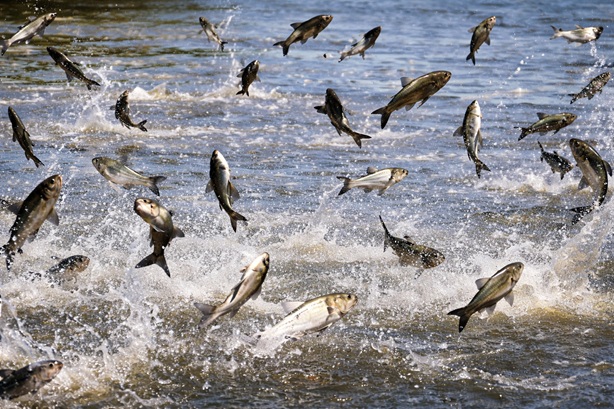
New technology is being used to fight invasive species. The Guardian LF1 robot stuns and captures lionfish, while the Magna Carpa boat uses electric currents to collect invasive Asian carp, which are later turned into fertilizer.
Read the full article on our website: Innovative Weaponry in the Fight Against AIS

Can Invasive Aquatic Plants Save the Florida Manatee?
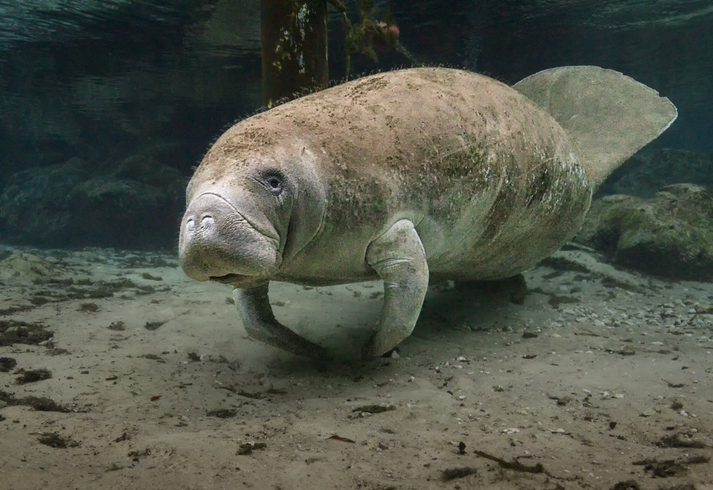
Florida manatees rely on seagrasses and freshwater vegetation for survival, but habitat loss, boat strikes, and algae blooms have devastated their populations. In Kings Bay, an innovative experiment is using water hyacinth in containment cages to filter nutrients and improve water clarity, helping to restore the environment and protect manatees.
Read the full article on our website: Kings Bay Restoration
Keeping Asian Carp out of Lake Michigan
Asian carp, imported from China in the 1970s, escaped into U.S. rivers and threaten the Great Lakes ecosystem. These large, fast-growing fish disrupt the food chain and could devastate fisheries. DNA from Asian carp was found in Lake Michigan waters in 2013, and reports show they are approaching the lake despite electronic barriers. Proposed solutions include physical separation, locks, and chemical treatments, but cost and time remain major hurdles. Experts say just 10 male and 10 female carp could establish a reproducing population.
Read the full article on our website: Keeping Asian Carp out of Lake Michigan
A Beautiful Threat
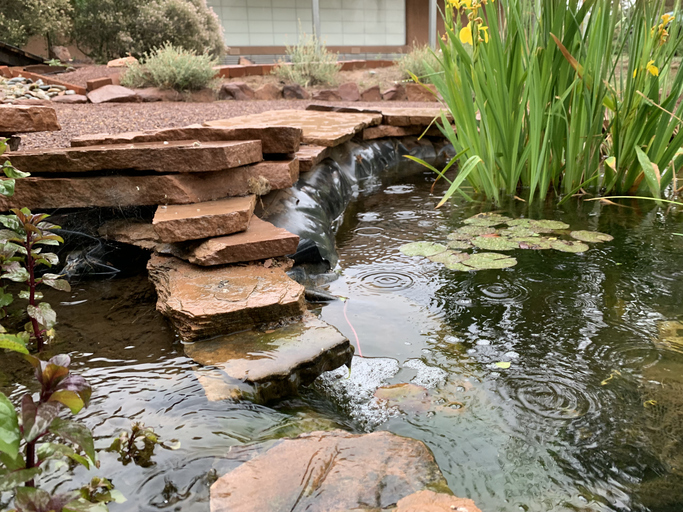
Backyard and business water gardens may look peaceful, but they can harbor trouble for mid-Atlantic ecosystems. The popularity of water gardening has helped aquatic invasive species spread, displacing native plants and harming local habitats. Many invasive plants grow in dense stands with few natural predators, disrupting the balance of the ecosystem.
Read the full article on our website: A Beautiful Threat
The Nuisance Zebra Mussels
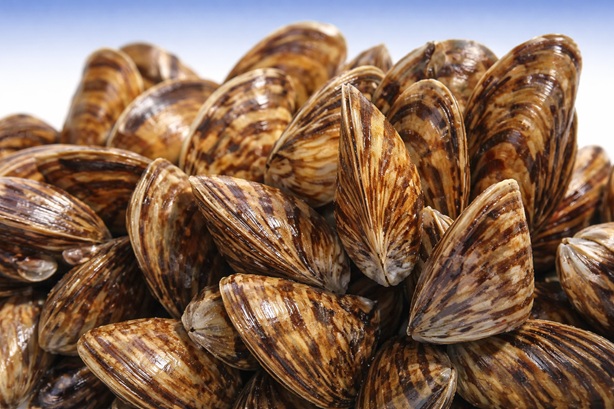
Zebra mussels are small freshwater invaders rapidly spreading across North American lakes. While they filter water, their activity can starve small fish, allowing invasive plants like milfoil to thrive, and making weed harvesters increasingly necessary.
These mussels also impact recreation and industry: they tangle propellers, hinder boating and swimming, and clog industrial water systems, costing billions in maintenance.
Understanding zebra mussels helps communities protect ecosystems, recreation, and infrastructure from their harmful effects.
Read the full article on our website: Zebra Mussels: A Growing Threat
 Aquarius Systems