Wisconsin DNR Recycling Excellence Award Winner
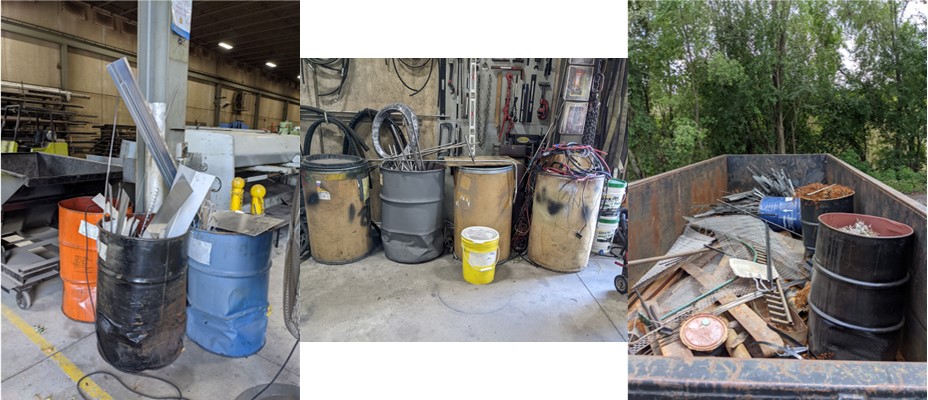
D&D Products, Inc., home to Aquarius Systems, has been recognized with a Recycling Excellence Award for outstanding efforts to reduce, reuse, and recycle in their manufacturing and office operations.
From recycling ink cartridges, electronics, scrap metal, and shipping materials to providing reusable mugs, low-flow faucets, and energy-efficient lighting, the company takes a company-wide approach to sustainability. Even small measures—like reusing dehumidifier water for plants—demonstrate their commitment to environmental stewardship.
Read the full article on our website: Wisconsin DNR Recycling Excellence Award Winner
How a Voluntary Lake Association Saved Carlin Lake
The Carlin Lake Association, a voluntary group of local residents, successfully protected Carlin Lake from a proposed bottling plant that would have pumped 12,000 gallons per day from the nearby aquifer.
Over seven years, the association navigated local, state, federal, and even international regulations to defend the lake, its watershed, and the surrounding community. Their efforts highlight the power of lake associations in preserving water quality, fisheries, and local ecosystems.
Read the full article on our website: How a Voluntary Lake Association Saved Carlin Lake

A Tale of Two Harvesters
Growing up on Potter’s Lake in Wisconsin, summer days meant fishing, swimming, and watching aquatic weed harvesters at work. Decades later, it turns out two colleagues at Aquarius Systems shared that same childhood experience—though they had each watched different harvesters over the years.
The first machine, purchased in 1976, was the classic “Aquarius Blue,” while the lake upgraded to a stainless-steel harvester in 1985, which is still in operation today. A small world, connected by lakes and harvesters!
Read the full article on our website: A Tale of Two Harvesters

The Pros and Cons of Phragmites
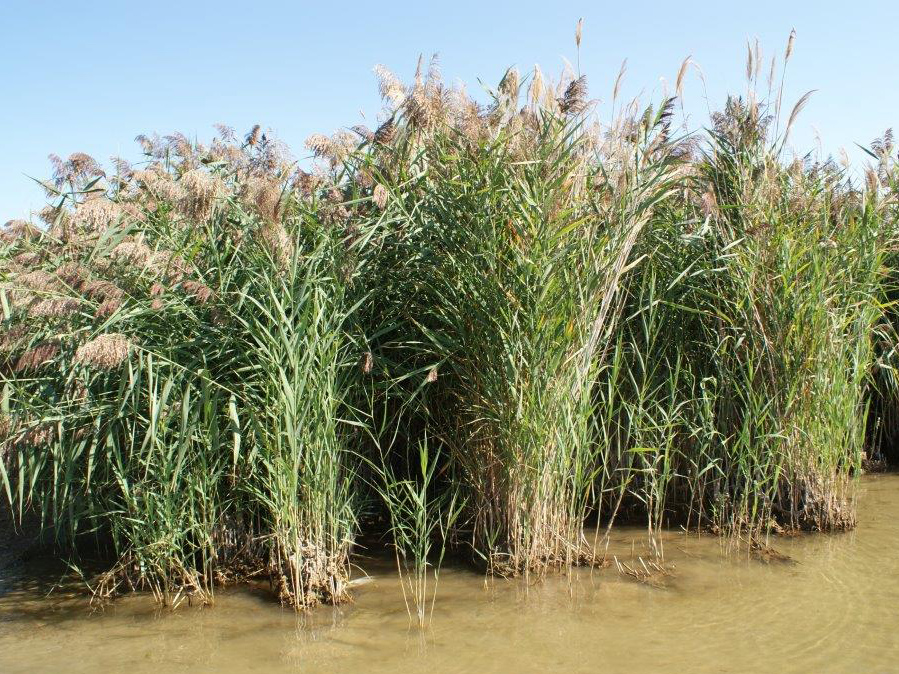
Phragmites, the invasive 12-foot-tall wetland grass, can dominate freshwater ecosystems—altering water flow, displacing native plants, and reducing habitat quality for wildlife. Herbicides or burning can reduce its spread, but these methods have environmental trade-offs.
Interestingly, phragmites also offer benefits: their root networks help protect marshes from rising sea levels, capture nutrients like nitrogen and phosphorus, store carbon, and even absorb legacy industrial pollutants.
The question remains—do the benefits outweigh the harms?
Read the full article on our website: The Pros and Cons of Phragmites
The Prettiest Pollutant
Fireworks light up the sky with spectacular colors, but many contain toxic chemicals like perchlorates, heavy metals, and other compounds that can harm wildlife, pollute soil and water, and even impact human health.
Perchlorate, a common propellant, has been detected in surface and groundwater, affecting drinking water for millions of Americans. While data on direct water contamination from fireworks is limited, the environmental and health risks are clear.
Read the full article on our website: The Prettiest Pollutant

Seaweed Diet Reduces Methane Emissions
Cattle are responsible for roughly 70% of agriculture-related methane emissions, a major contributor to climate change. Scientists have found that supplementing cows’ diets with red algae (Asparagopsis taxiformis) can reduce methane emissions by up to 80%.
The algae’s bromoform compound disrupts the enzymes that produce methane, offering a promising approach to make beef production more environmentally friendly—though it’s only found in this specific red seaweed.
Read the full article on our website: Seaweed Diet Reduces Methane Emissions

Red algae seaweed contains a compound called bromoform, which is responsible for interfering with the enzymes that product methane. Unfortunately, bromoform is found only in the red sea algae, not freshwater macrophytes, darn!
Read More
Strategic Aquatic Plant Harvesting as a Multi-faceted In-Lake Management Tool
Research on Kohlman Lake in Minnesota shows how mechanical aquatic plant harvesting can play a vital role in improving water quality and supporting balanced lake management.
By selectively removing about 14% of peak plant mass, researchers found that harvesting eliminated 24% of the phosphorus captured by plants—making it a cost-effective method compared to traditional watershed management practices. Beyond improving navigation and recreation, strategic harvesting contributes to healthier, clearer lakes.
Read the full article on our website: Strategic Aquatic Plant Harvesting as a Multi-faceted In-Lake Management Tool

As Vermont Nears 75% Renewable Power, is it Clean Enough?
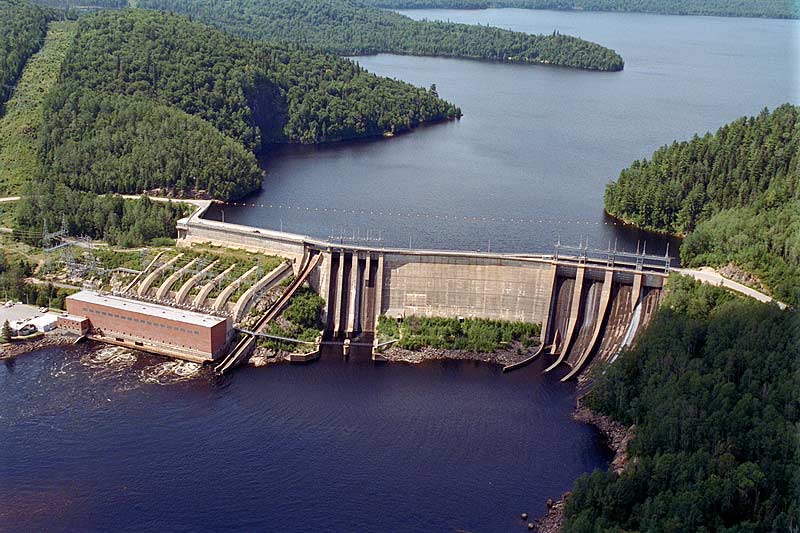
Vermont is often celebrated for having one of the cleanest electric grids in the U.S., with about 66% of its power from renewable sources—and a goal of reaching 75% by 2032. But much of that energy comes from HydroQuebec’s massive hydropower operations in Canada, which have caused widespread environmental and social impacts.
Flooded forests release carbon for decades, and millions of acres of native lands have been destroyed or altered—displacing Indigenous communities and polluting local ecosystems. Critics argue that this energy source, while renewable on paper, isn’t as clean as it seems.
Read the full article on our website: As Vermont Nears 75% Renewable Power, Is It Clean Enough?
Ice Harvesting in Wisconsin
Before World War I, Wisconsin’s frozen lakes supplied much of the nation’s ice, shipped by rail to cities like Chicago and as far away as Texas and Arizona. With its cold climate and abundant lakes, Wisconsin became a leading ice producer—fueling the growth of the brewing and meatpacking industries that relied on cold storage.
At its peak, Milwaukee’s breweries used over 335,000 tons of ice annually, and more than 100,000 tons were harvested from Madison’s lakes in a single winter. However, pollution and the rise of mechanical refrigeration brought the industry’s decline by the 1920s.
Read the full article on our website: Ice Harvesting in Wisconsin

The Looming Coffee Crisis

Coffee is one of the world’s most beloved beverages—with over 2.25 billion cups enjoyed daily. But the future of coffee is at risk.
With 60% of wild coffee species facing extinction and growing regions shrinking due to climate change, the stability of coffee production—and the livelihoods of 25 million farmers—hangs in the balance. The lack of seed diversity and breeding investment leaves the industry especially vulnerable to pests, drought, and disease.
Read the full article on our website: The Looming Coffee Crisis
 Aquarius Systems