Category Archives: aquatic weed harvester
Smarter Solutions for Controlling Milfoil

For years, Northern Wisconsin lakes have spent hundreds of thousands of dollars trying to control Eurasian water milfoil with herbicides. The Lower Eagle River Chain of Lakes Commission, formed in 2007, is a prime example.
After a decade of chemical treatments costing up to $250,000 per year, the Commission stopped using herbicides. Within a few years, the milfoil population began rebounding. Manual removal is expensive — around $2,500 per day — and never fully effective.

An aquatic ecologist and others recommend a management-focused approach: targeting plants that interfere with navigation and recreation rather than trying to eradicate the entire population. Mechanical harvesting efficiently manages growth, maintains recreational access, and avoids repeated herbicide costs.
Spending hundreds of thousands on eradication is costly and temporary. Strategic, long-term management is the sustainable way forward for our lakes.
Restoring Lake Victoria: Battling the Water Hyacinth Invasion
Lake Victoria, one of the world’s largest freshwater lakes, plays a vital role for millions of people in Kenya, Tanzania, and Uganda. Unfortunately, the lake continues to struggle with one of the most aggressive invasive plants on Earth — water hyacinth.
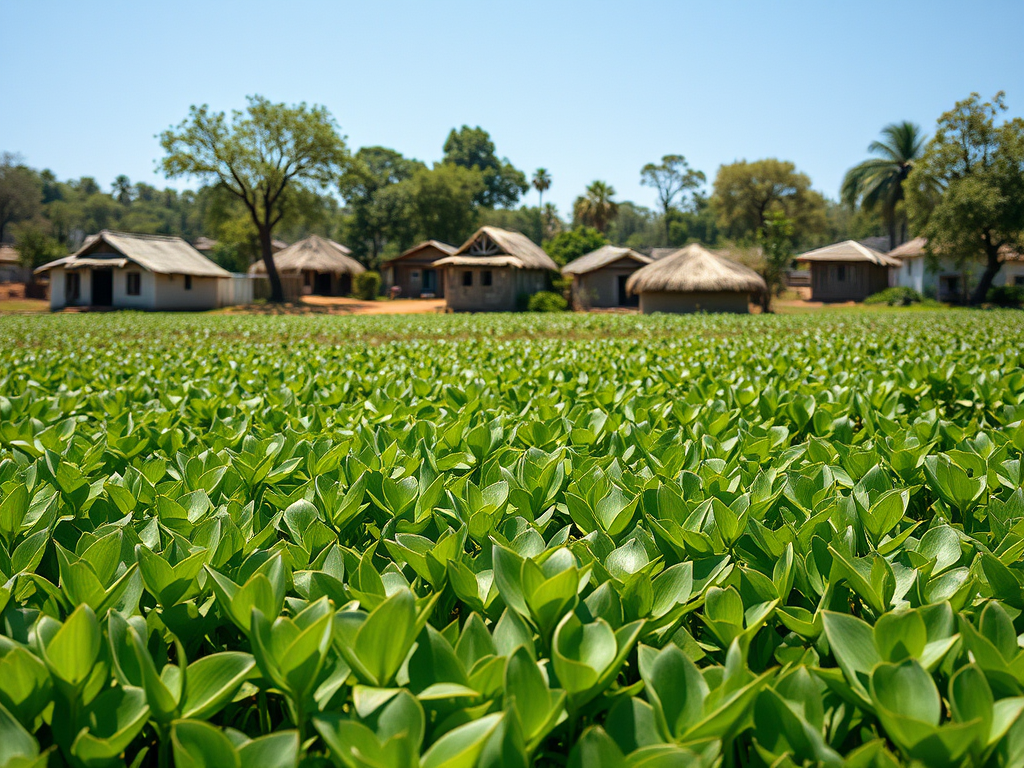
These fast-growing plants form dense mats that block fishing, navigation, and sunlight, threatening both local economies and the lake’s ecosystem. To help combat the problem, Aquarius Systems has joined efforts under the Lake Victoria Environmental Management Project (LVEMP) to remove thousands of hectares of water hyacinth using specialized mechanical equipment.
This project highlights how mechanical removal offers an environmentally friendly solution compared to chemical treatments — helping restore balance to the lake while protecting aquatic life.
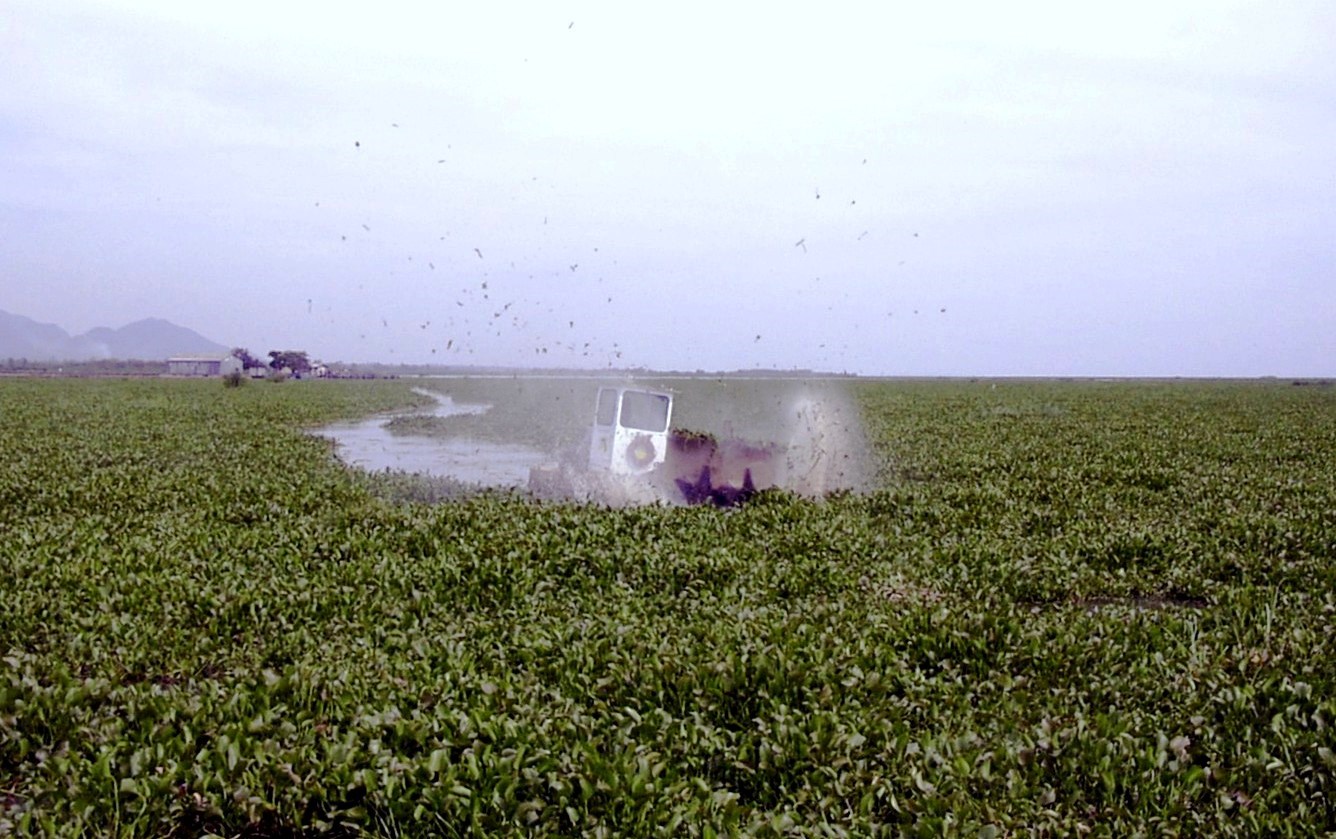
Read the full story on our website: Restoring Lake Victoria: Battling the Water Hyacinth Invasion
Keeping Our Waterways Weed Free
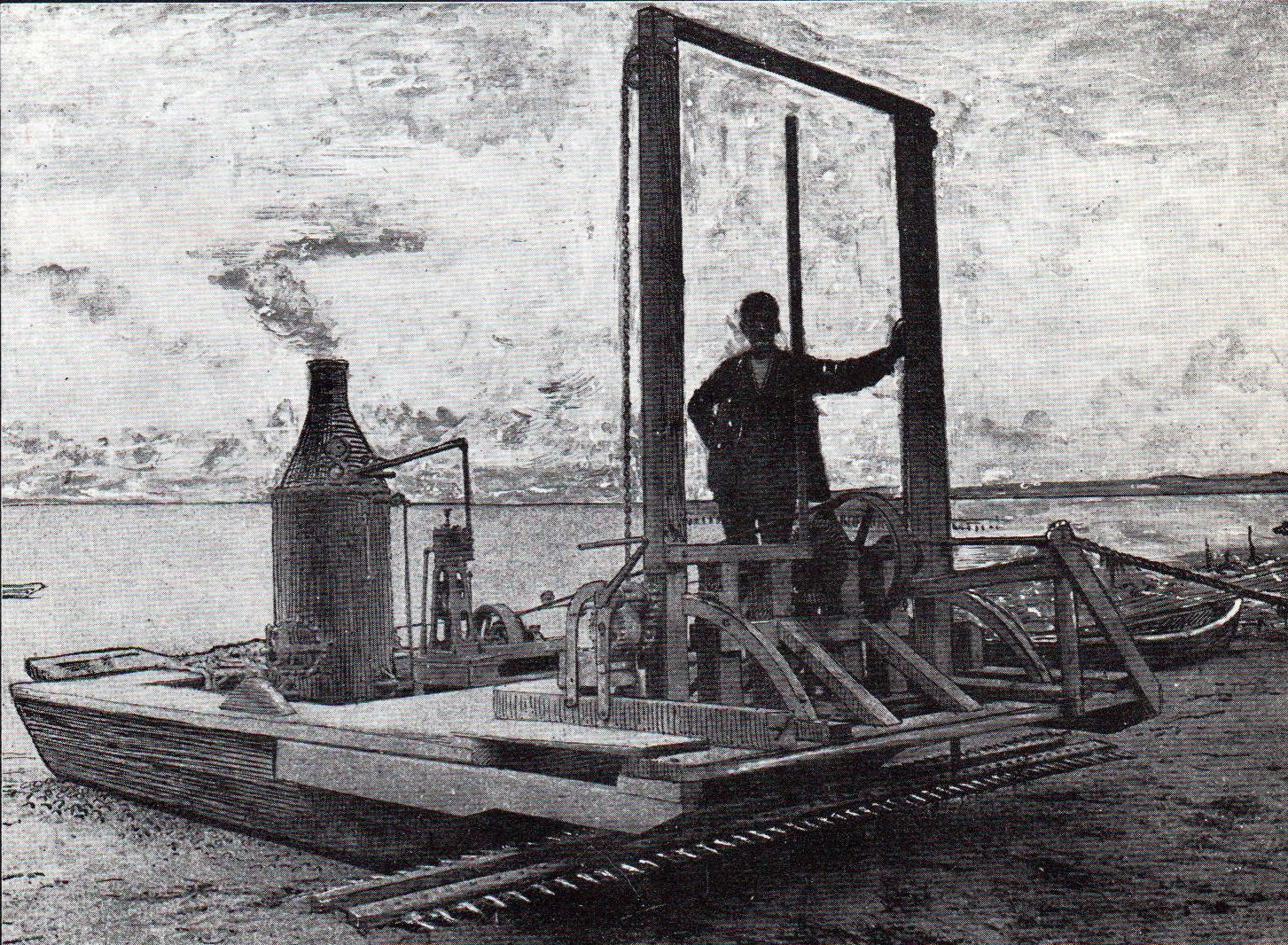
Aquatic weeds have been a challenge for centuries, from manual clearing to the invention of early cutter boats in the 1900s. Today, modern Aquarius Systems weed harvesters act like underwater lawn mowers, cutting and collecting vegetation efficiently while minimizing environmental impact.
Mechanical harvesting removes nutrients, reduces sedimentation, and keeps waterways safe and usable — all without the restrictions of chemicals or herbicides. With ongoing innovation, aquatic weed harvesters continue to evolve to meet the growing global need for healthy, navigable waterways.
Read the full article on our website: Keeping Our Waterways Weed Free
The Weeds at River Walk
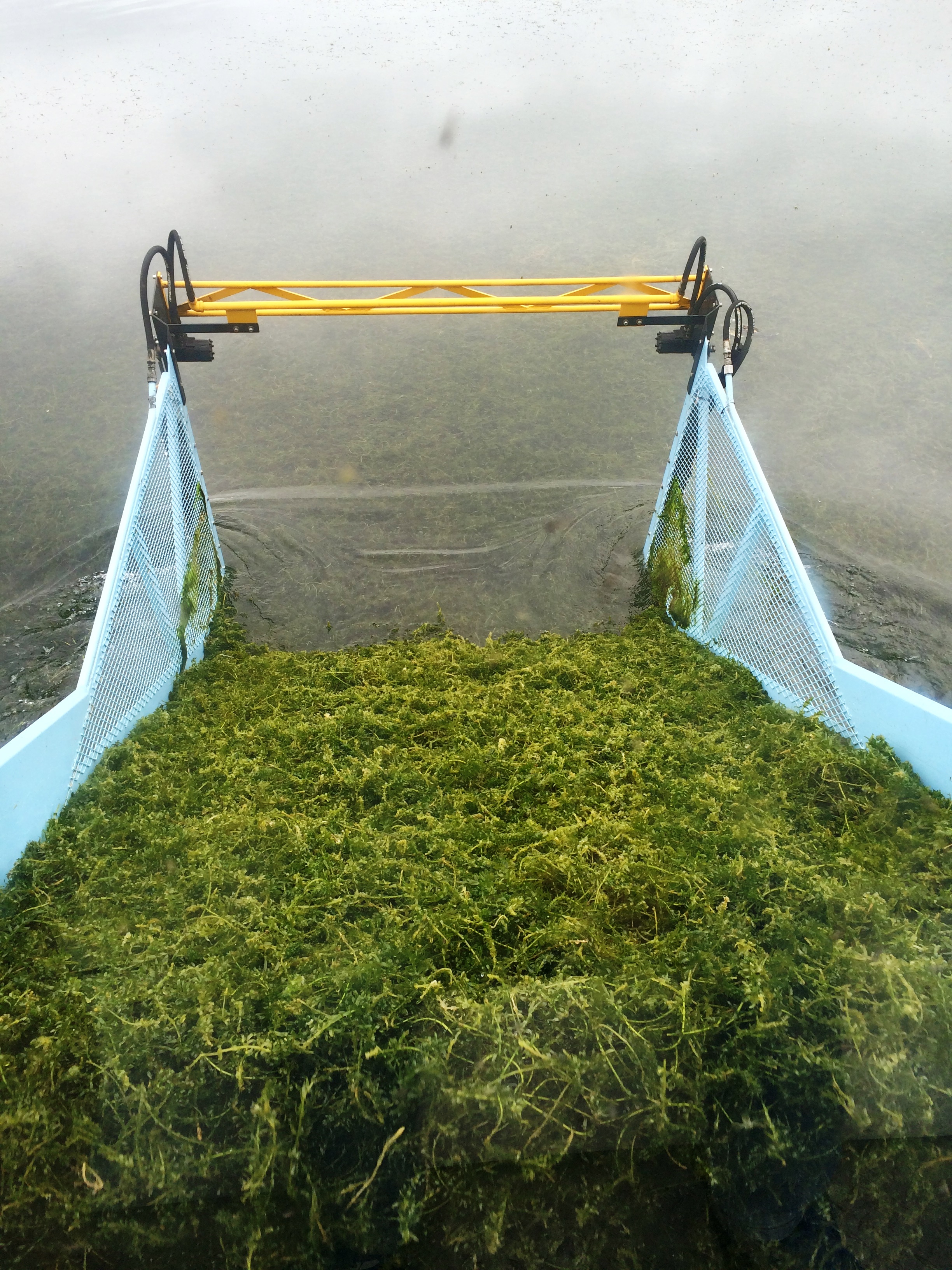
At Bakersfield’s River Walk, an aquatic weed harvester works like an underwater lawn mower, cutting and collecting weeds before they reach the surface. The harvested plants are transported to shore, where they are removed and disposed of responsibly.
This mechanical approach reduces the need for chemicals, protecting groundwater and saving costs compared to traditional herbicide treatments. The harvester’s efficiency keeps the waterways safe and accessible for everyone.
Read the full article on our website: The Weeds at River Walk
A Success Story – Lake Minnewawa Weed Harvesting
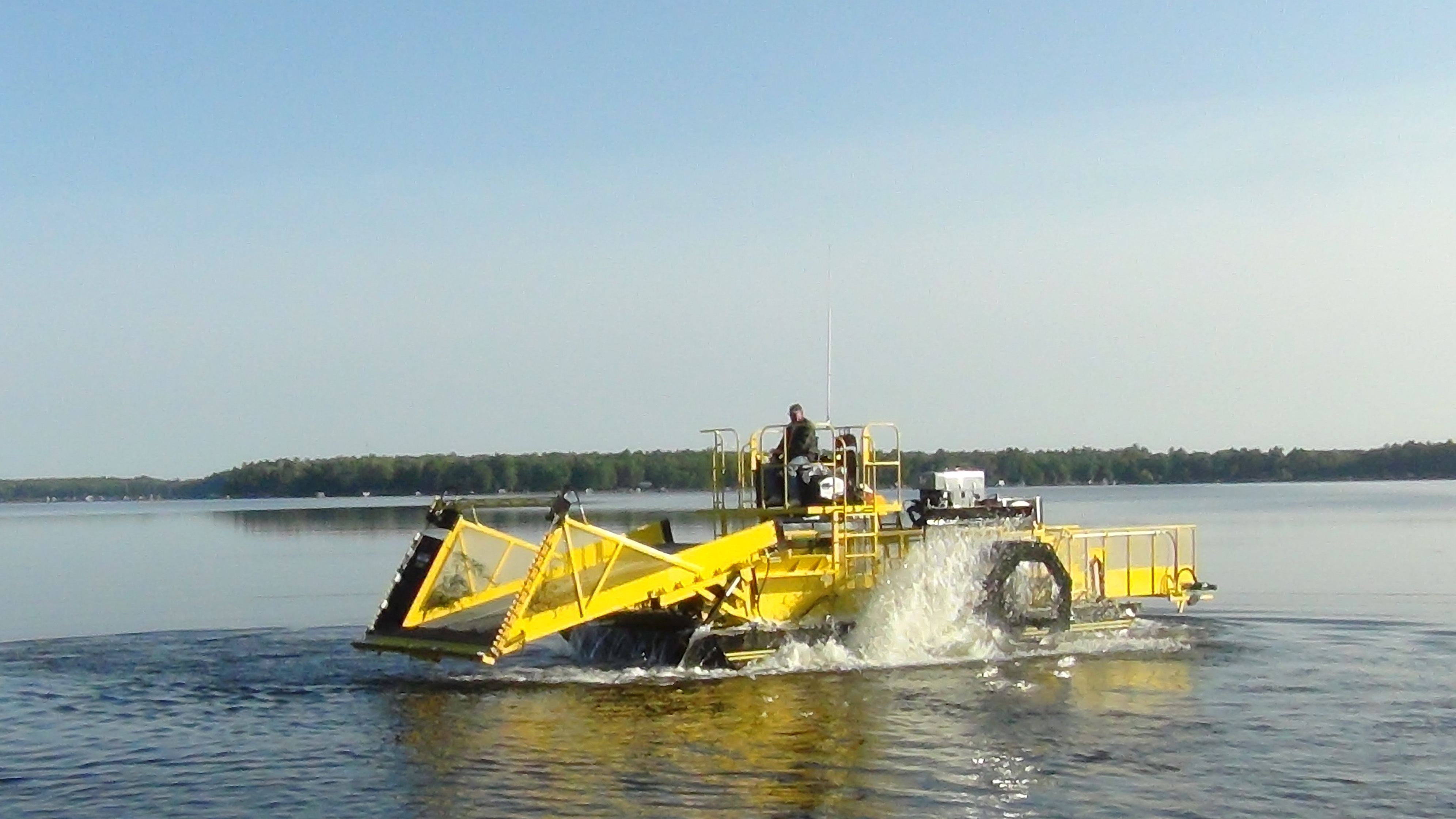
In the 1970s, Lake Minnewawa was overrun with weeds, making boating and water quality a challenge. In response, local residents formed the Save Minnewawa Association and eventually purchased an Aquarius Systems weed harvester.
Operating several months each year, the harvester clears invasive vegetation, improves water clarity, and removes excess phosphorous — reducing algae growth and supporting a healthier ecosystem. The project is funded by memberships, donations, and volunteer work, not state funds, making it a true community effort.
Thanks to years of consistent harvesting, the lake has seen significant improvements in water quality and usability, proving the value of mechanical weed management over chemical alternatives.
Read the full article on our website: Lake Minnewawa Weed Harvesting Success Story
Milfoil — Beating back the invader
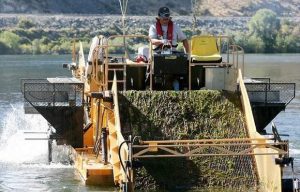
Along the Columbia River, milfoil, an invasive aquatic weed, can make boating and recreation difficult. Park maintenance crews use a milfoil harvester, which cuts and collects the plants, keeping waterways clear and safe for visitors.
Once harvested, the milfoil is taken to compost piles, where it naturally breaks down, providing an eco-friendly solution for managing invasive plants. This method helps maintain the river environment while ensuring parks remain accessible and enjoyable.
What is an Aquatic Weed Harvester?
Aquatic Weed Harvesters provide an environmentally friendly way to manage nuisance vegetation in lakes, ponds, and waterways of all sizes. Acting like an underwater lawn mower, they cut and collect submerged, emergent, and floating plants to keep water clear and usable.
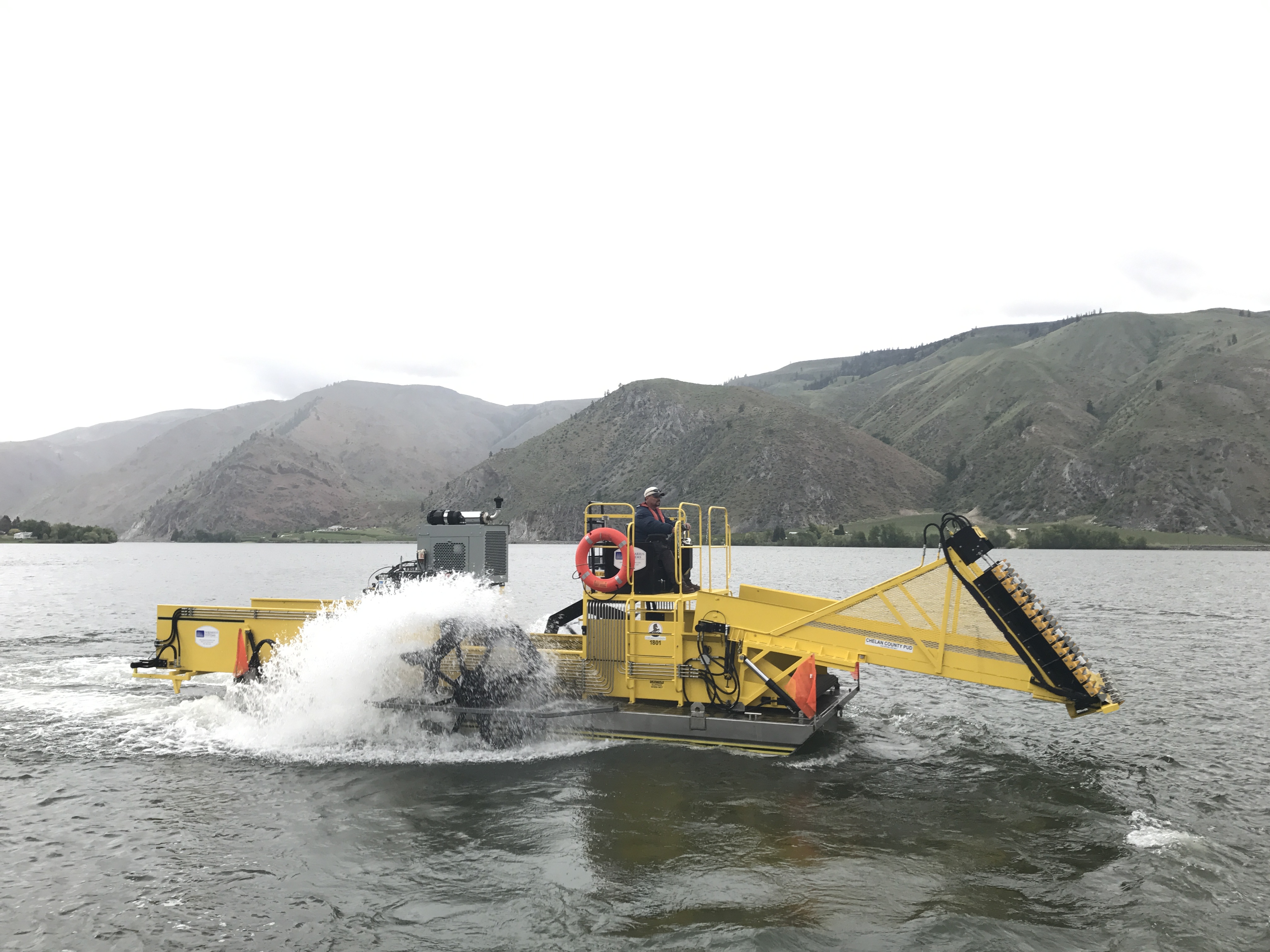
Each machine uses a forward conveyor and cutter bars to remove weeds, storing them on board before offloading at shore. Aquarius Systems offers a range of customizable models to meet specific lake and vegetation needs, helping restore balance to aquatic environments.
Read the full article on our website: What Is an Aquatic Weed Harvester?
DNR “Mows” Dogwood Lake
At Indiana’s Glendale Fish and Wildlife Area, DNR staff used an Aquatic Weed Harvester to manage overgrown lotus pads and coontail on Dogwood Lake. This effort helps maintain healthy waterways and ensures better conditions for fishing and recreation.
Aquatic plant harvesting provides an environmentally friendly way to control vegetation growth without chemicals — improving water quality and access for boaters and anglers.
Read the full story on our website: DNR “Mows” Dogwood Lake
 Aquarius Systems