Blog Archives
A Tale of Two Harvesters
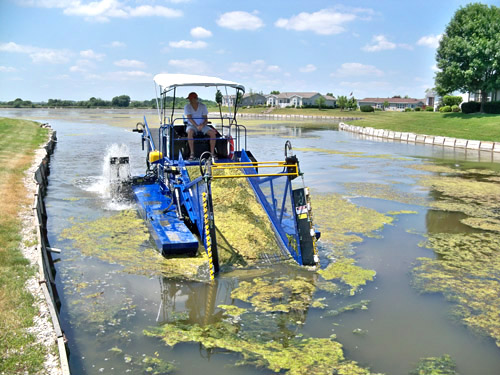
Growing up on Potter’s Lake in Wisconsin, summer days meant fishing, swimming, and watching aquatic weed harvesters at work. Decades later, it turns out two colleagues at Aquarius Systems shared that same childhood experience—though they had each watched different harvesters over the years.
The first machine, purchased in 1976, was the classic “Aquarius Blue,” while the lake upgraded to a stainless-steel harvester in 1985, which is still in operation today. A small world, connected by lakes and harvesters!
Read the full article on our website: A Tale of Two Harvesters

Protecting the Lake
Pewaukee Lake was created in 1838 and has faced decades of aquatic plant management challenges. For years, herbicides were used to control invasive weeds—but in 1985, the Lake Pewaukee Sanitary District discontinued chemicals and expanded its mechanical harvesting program instead.
By removing plants rather than killing them with herbicides, the district has reduced nutrients that fuel regrowth, encouraged native plant diversity, and supported a healthier ecosystem—all while balancing recreation and environmental protection.
Read the full article on our website: Protecting Pewaukee Lake

Aquatic Weed Harvester Helps to Restore Pond
Restoration efforts at Georgica Pond are showing results thanks to an aquatic weed harvester removing nutrient-rich algae that fuel toxic cyanobacteria blooms.
Read the full article on our website: Aquatic Weed Harvester Helps to Restore Pond
Manomin – Wisconsin’s Wild Rice
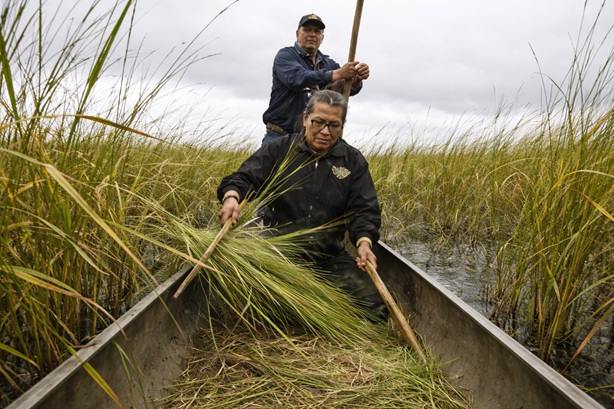
Wild rice, or manomin, has long been an important food source for both people and wildlife. Once abundant across Wisconsin’s shallow lakes and rivers, it was especially valued by the Ojibwe and Menominee tribes.
Today, many wild rice beds have been lost due to pollution, invasive species, and fluctuating water levels. Aquarius Systems’ equipment helps restore these natural habitats by removing excess vegetation and reopening waterways.
Read the full article on our website: Manomin – Wisconsin’s Wild Rice
Mechanical Harvesting an Economical Choice
Aquatic vegetation can hurt water quality, recreation, tourism, property values, and communities financially. Mechanical harvesting may seem expensive upfront, but over a 10–30 year lifetime, it’s highly cost-effective. Harvesters use little fuel, require minimal maintenance, and even have resale value. Properly maintained equipment can last decades, making mechanical harvesting a smart long-term investment.
Read the full article on our website: Mechanical Harvesting an Economical Choice

This 30 year old Aquatic Plant Harvester is still operational and in use.
Advantages of Aquatic Weed Harvesting
Mechanical harvesting of aquatic weeds offers many benefits over chemical control or doing nothing. It provides immediate relief from nuisance plants, improves navigation and recreation, removes excess nutrients like nitrogen and phosphorus, and leaves living plants behind to continue supporting oxygen and habitat. Harvesting also reduces muck buildup, improves fishing access, and creates compostable vegetation for soil enrichment.
Read the full article on our website: Advantages of Aquatic Weed Harvesting

World Water Day, March 22

World Water Day, observed annually on March 22, highlights the importance of freshwater and sustainable management of water resources. It encourages global awareness, action, and solutions to challenges such as water pollution, scarcity, and the protection of aquatic ecosystems.
Aquarius Systems supports healthy waterways by providing tools and solutions to manage aquatic plants and maintain water quality.
Read the full article on our website: World Water Day, March 22
The Weeds at River Walk
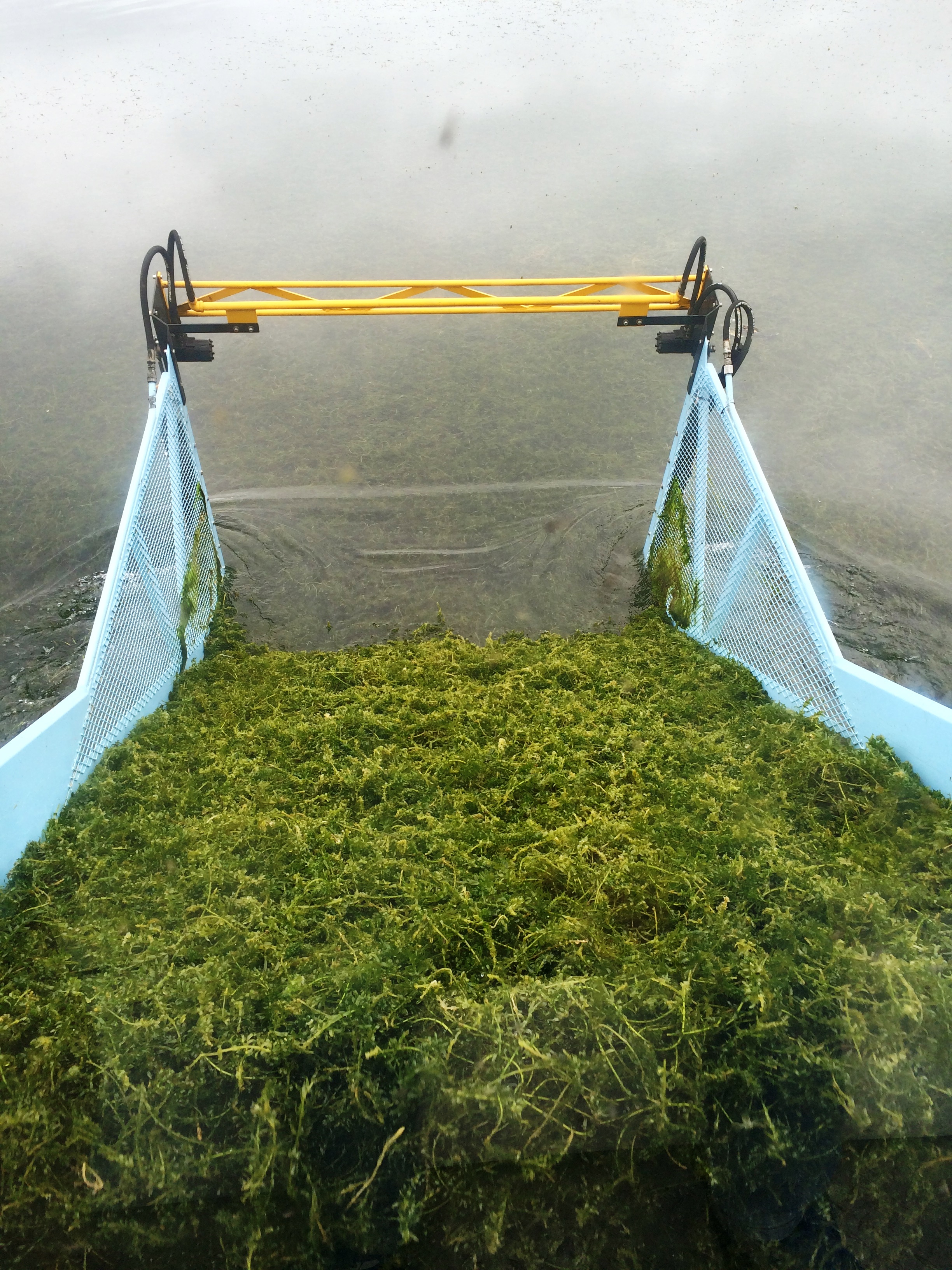
At Bakersfield’s River Walk, an aquatic weed harvester works like an underwater lawn mower, cutting and collecting weeds before they reach the surface. The harvested plants are transported to shore, where they are removed and disposed of responsibly.
This mechanical approach reduces the need for chemicals, protecting groundwater and saving costs compared to traditional herbicide treatments. The harvester’s efficiency keeps the waterways safe and accessible for everyone.
Read the full article on our website: The Weeds at River Walk
A Success Story – Lake Minnewawa Weed Harvesting
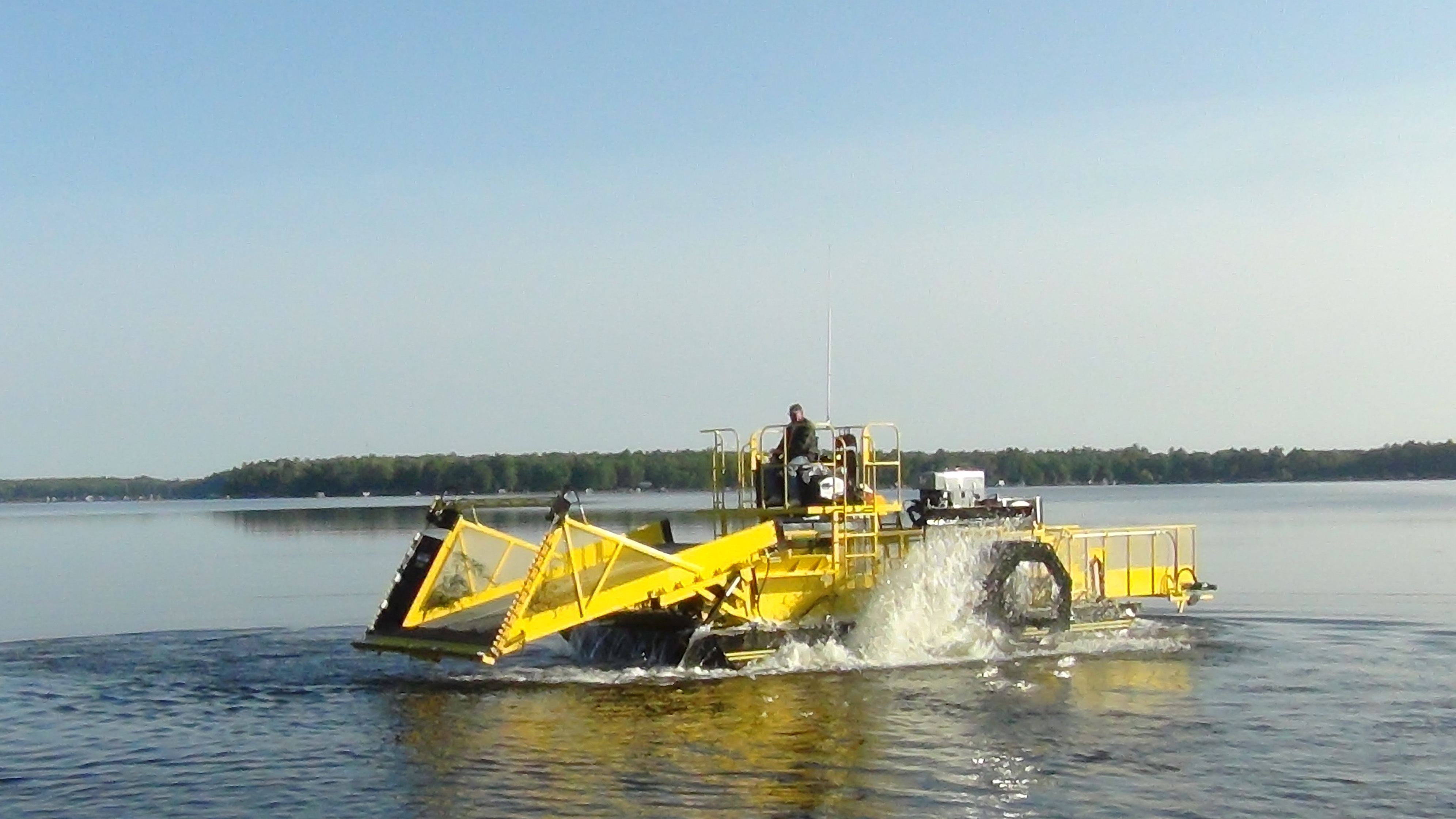
In the 1970s, Lake Minnewawa was overrun with weeds, making boating and water quality a challenge. In response, local residents formed the Save Minnewawa Association and eventually purchased an Aquarius Systems weed harvester.
Operating several months each year, the harvester clears invasive vegetation, improves water clarity, and removes excess phosphorous — reducing algae growth and supporting a healthier ecosystem. The project is funded by memberships, donations, and volunteer work, not state funds, making it a true community effort.
Thanks to years of consistent harvesting, the lake has seen significant improvements in water quality and usability, proving the value of mechanical weed management over chemical alternatives.
Read the full article on our website: Lake Minnewawa Weed Harvesting Success Story
Think Twice When Fertilizing your Lawn This Fall
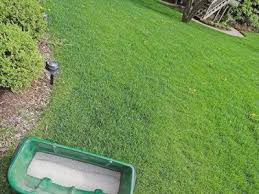
Everyone lives in a watershed, meaning what happens on your lawn can affect nearby lakes, rivers, and streams. As fall arrives and homeowners prepare to fertilize, it’s important to remember that phosphates—a common ingredient in lawn fertilizer—can lead to algae growth and poor water quality.
Practicing responsible lawn care helps protect waterways from pollution. The EPA offers helpful resources and videos on how to maintain a healthy lawn while reducing runoff and nutrient pollution.
Read the full article on our website: Think Twice When Fertilizing Your Lawn This Fall
 Aquarius Systems