Blog Archives
Ice Harvesting in Wisconsin
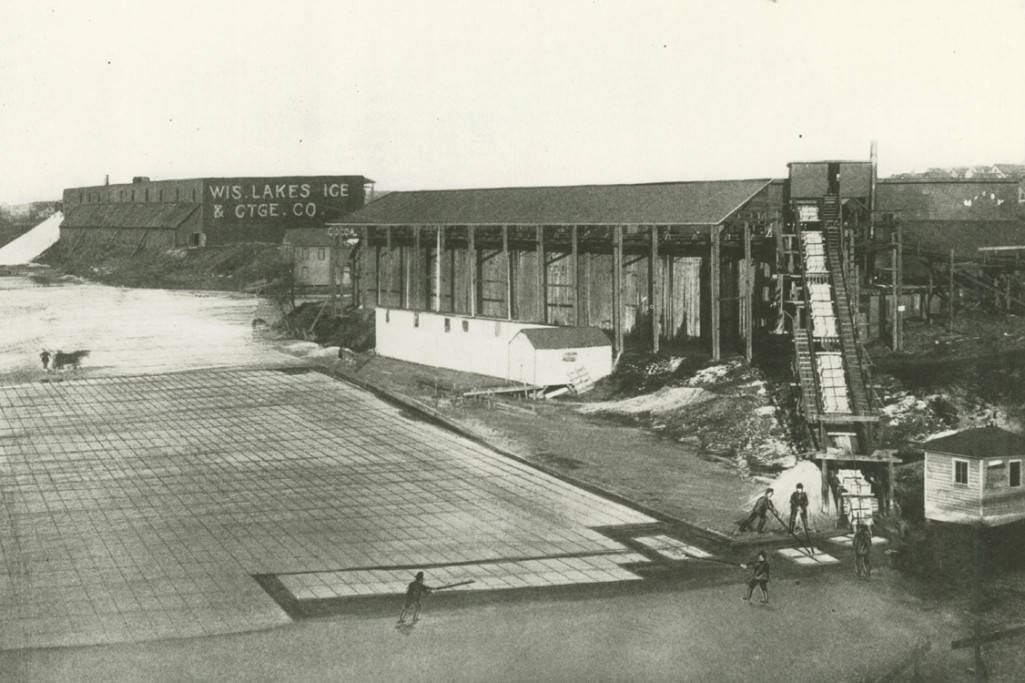
Before World War I, Wisconsin’s frozen lakes supplied much of the nation’s ice, shipped by rail to cities like Chicago and as far away as Texas and Arizona. With its cold climate and abundant lakes, Wisconsin became a leading ice producer—fueling the growth of the brewing and meatpacking industries that relied on cold storage.
At its peak, Milwaukee’s breweries used over 335,000 tons of ice annually, and more than 100,000 tons were harvested from Madison’s lakes in a single winter. However, pollution and the rise of mechanical refrigeration brought the industry’s decline by the 1920s.
Read the full article on our website: Ice Harvesting in Wisconsin
Advantages of Aquatic Weed Harvesting
Mechanical harvesting of aquatic weeds offers many benefits over chemical control or doing nothing. It provides immediate relief from nuisance plants, improves navigation and recreation, removes excess nutrients like nitrogen and phosphorus, and leaves living plants behind to continue supporting oxygen and habitat. Harvesting also reduces muck buildup, improves fishing access, and creates compostable vegetation for soil enrichment.
Read the full article on our website: Advantages of Aquatic Weed Harvesting

Keeping Our Waterways Weed Free
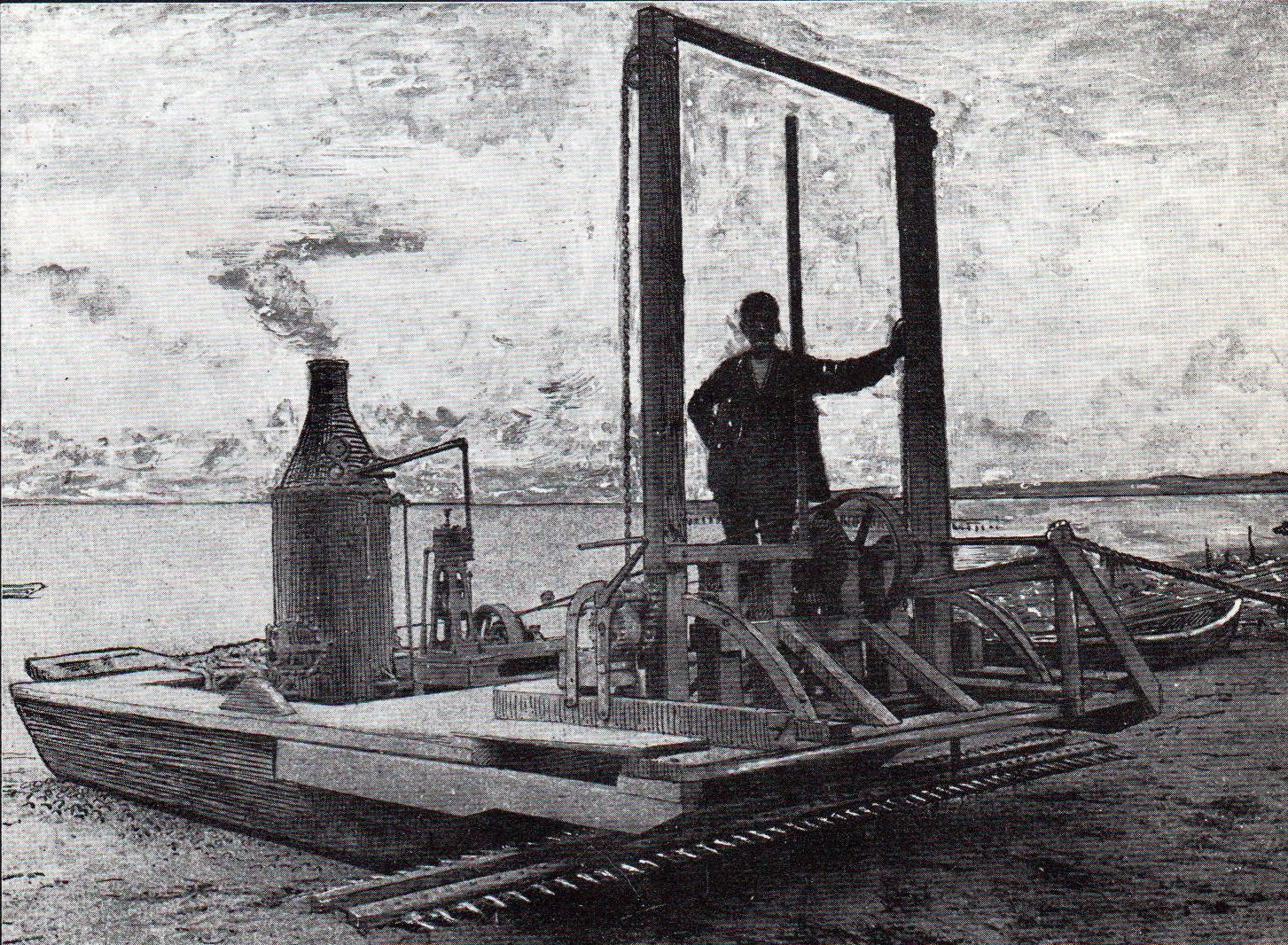
Aquatic weeds have been a challenge for centuries, from manual clearing to the invention of early cutter boats in the 1900s. Today, modern Aquarius Systems weed harvesters act like underwater lawn mowers, cutting and collecting vegetation efficiently while minimizing environmental impact.
Mechanical harvesting removes nutrients, reduces sedimentation, and keeps waterways safe and usable — all without the restrictions of chemicals or herbicides. With ongoing innovation, aquatic weed harvesters continue to evolve to meet the growing global need for healthy, navigable waterways.
Read the full article on our website: Keeping Our Waterways Weed Free
 Aquarius Systems