Blog Archives
Cleaning up Muskegon Lake
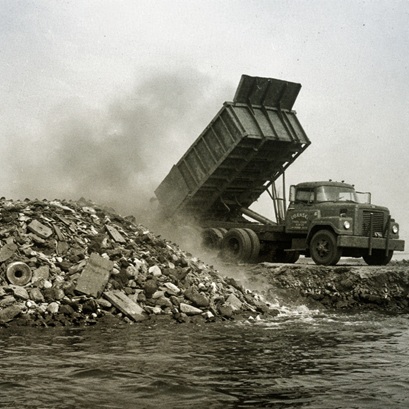
Designated a Great Lakes Area of Concern in 1985, Muskegon Lake has a long history of industrial pollution—from sawmill debris in the 1800s to chemical contamination from factories in the 1900s.
Today, restoration efforts continue. A $3.1 million cleanup project led by the West Michigan Shoreline Regional Development Commission aims to remove debris, restore wetlands, and rehabilitate the shoreline—further transforming Muskegon Lake into one of Michigan’s premier recreational destinations.
Read the full article on our website: Cleaning Up Muskegon Lake
300 lbs of Road Salt per Lane per Mile
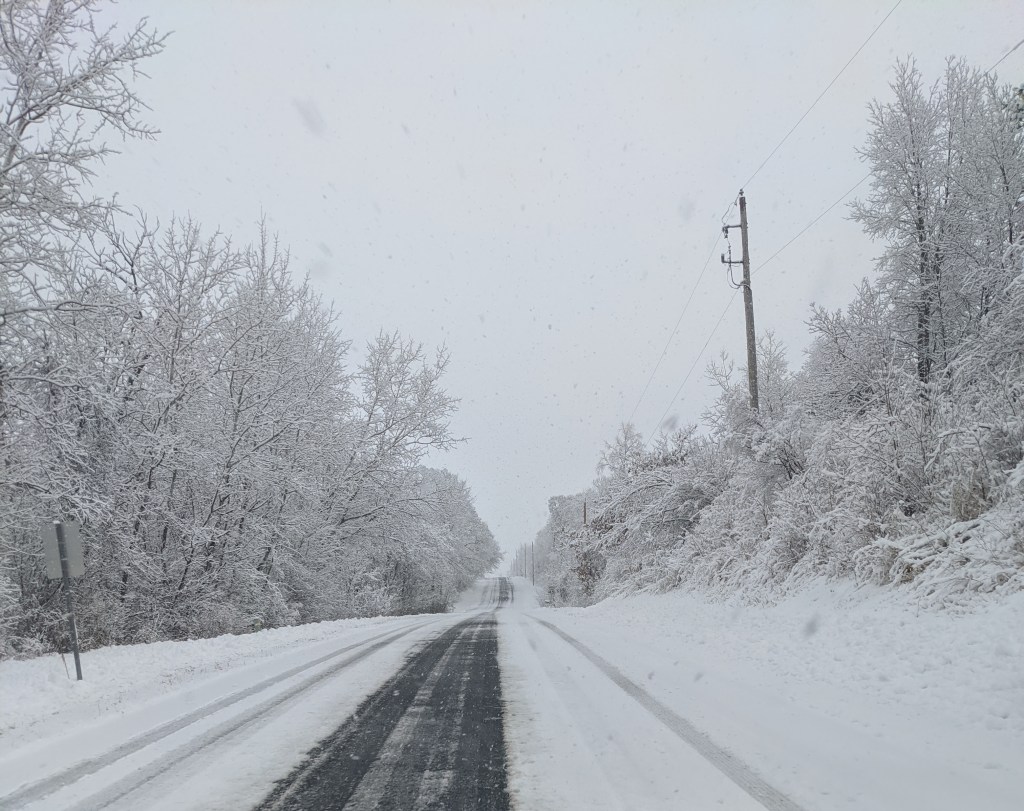
It’s hard to believe, but about 300 pounds of salt are applied per lane per mile during winter road treatment—that’s the industry standard for keeping roads safe.
According to Wisconsin Salt Wise, just one teaspoon of salt can permanently pollute five gallons of water to a level harmful to freshwater life. In Dane County, an estimated 500 tons of salt enter Lake Mendota each winter as runoff. This not only harms lake ecosystems but also affects local drinking water quality.
Read the full article on our website: Madison’s Actions to Limit Salt Usage
Turning Phosphorus in Wastewater into Fertilizer
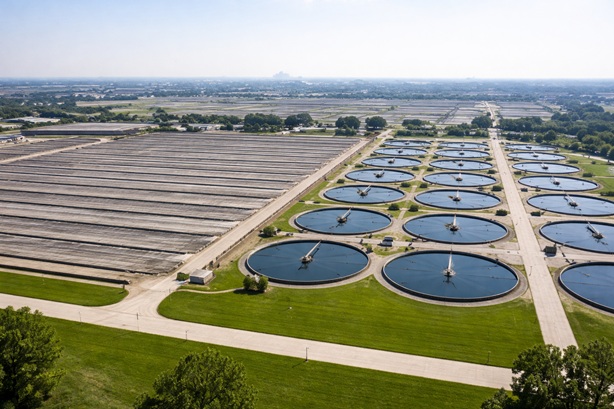
Chicago’s Stickney Water Reclamation Plant is reducing its phosphorus pollution by turning wastewater into nutrient-rich fertilizer “pearls.” This $31 million project could produce up to 10,000 tons of slow-release fertilizer annually and cut phosphorus discharges by 30%.
Read the full article on our website: Turning Phosphorus in Wastewater into Fertilizer
DO NOT FEED THE DUCKS!

Feeding ducks may seem like a fun, harmless activity, but it can actually cause serious harm to both the birds and their environment. Bread and other human foods are poor substitutes for natural diets of aquatic plants, grains, and invertebrates. Artificial feeding can lead to inbreeding, overcrowding, delayed migration, disease, deformities, and even water pollution.
Decomposing bread also worsens algae growth, pollutes water, attracts rats, and contributes to foul odors. If you want to feed ducks, choose nutritious options like duck pellets, seedless grapes, shredded leafy greens, or grains such as oats and barley.
Read the full article on our website: Do Not Feed the Ducks!
 Aquarius Systems