Blog Archives
300 lbs of Road Salt per Lane per Mile
It’s hard to believe, but about 300 pounds of salt are applied per lane per mile during winter road treatment—that’s the industry standard for keeping roads safe.
According to Wisconsin Salt Wise, just one teaspoon of salt can permanently pollute five gallons of water to a level harmful to freshwater life. In Dane County, an estimated 500 tons of salt enter Lake Mendota each winter as runoff. This not only harms lake ecosystems but also affects local drinking water quality.
Read the full article on our website: Madison’s Actions to Limit Salt Usage
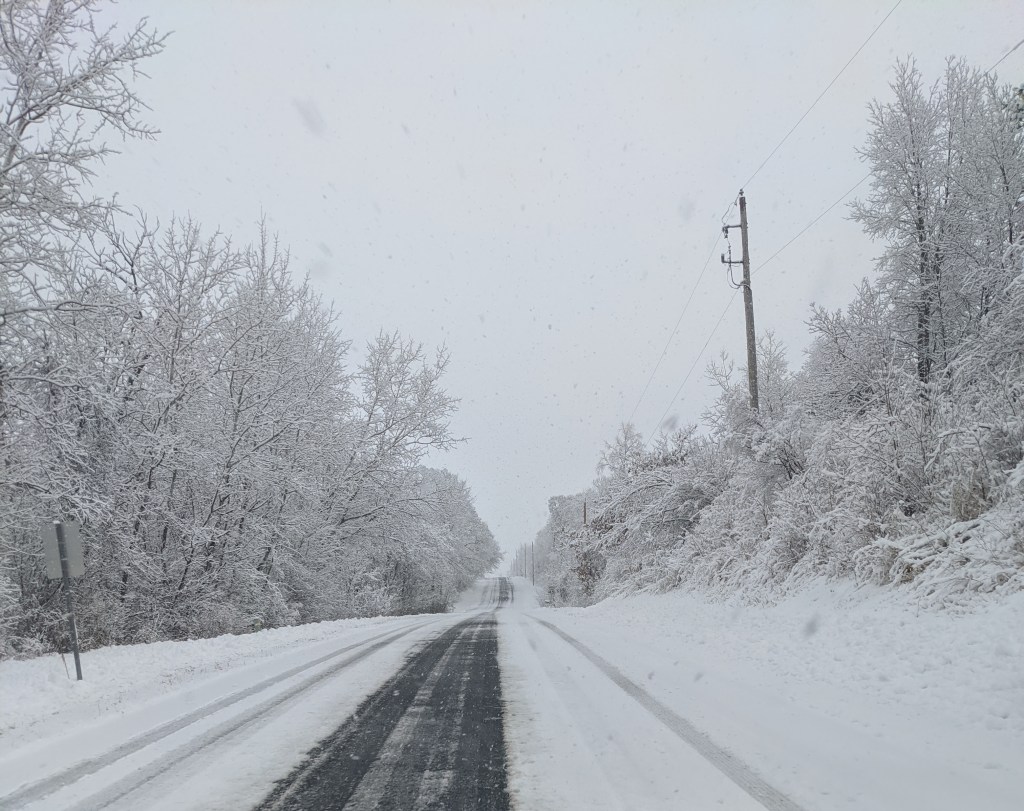
Road Salt Making U.S. Lakes Saltier
Each winter, road crews work hard to keep drivers safe—but the heavy use of road salt is taking a toll on our lakes and streams.
Researchers found that 44% of U.S. lakes are at risk of salinization, meaning salt buildup is harming water quality, wildlife, and soil health. With an estimated 22 million tons of salt applied to roads each year, much of it ends up washing into nearby waterways.
Read the full article on our website: Road Salt Making U.S. Lakes Saltier
To Salt or Not to Salt
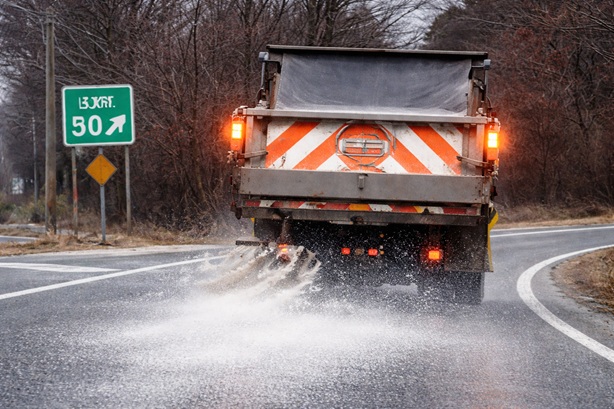
After Portland’s first snowstorm left roads frozen and traffic snarled for hours, city officials are reconsidering their stance on using road salt. While salt helps melt ice and improve safety, it can also corrode infrastructure and harm the environment. In Minnesota, chloride levels in many lakes and rivers now exceed safe standards — and just one teaspoon of road salt can permanently pollute five gallons of water.
Read the full article on our website: To Salt or Not to Salt
Where Does All the Road Salt Come From?
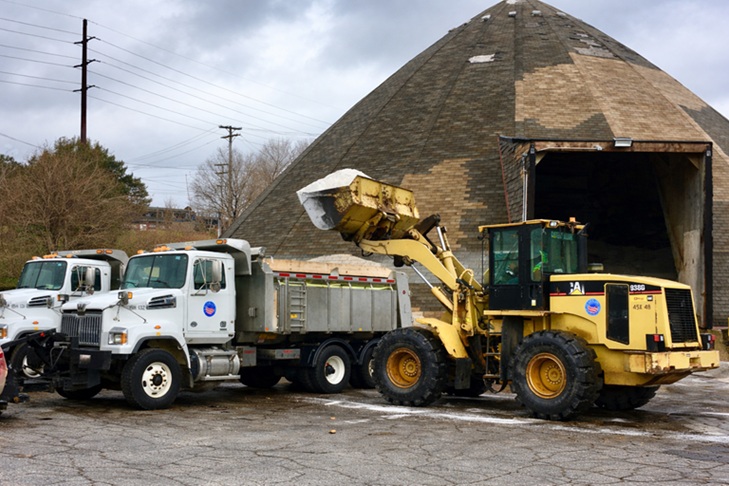
In 2013, U.S. officials applied about 17 million tons of salt to roads to melt snow and ice. While it helps keep roads safe, road salt damages metal and concrete, contaminates drinking water, and harms aquatic ecosystems — with up to 70% of it staying within the watershed.
The U.S. is the world’s second-largest salt producer, after China, and imports around 12 million tons annually, mainly from Canada and Chile. Most rock salt originally formed from ancient oceans that have long since evaporated, leaving massive underground salt deposits.
Read the full article on our website: Where Does All the Road Salt Come From?
 Aquarius Systems