Blog Archives
The Pros and Cons of Phragmites
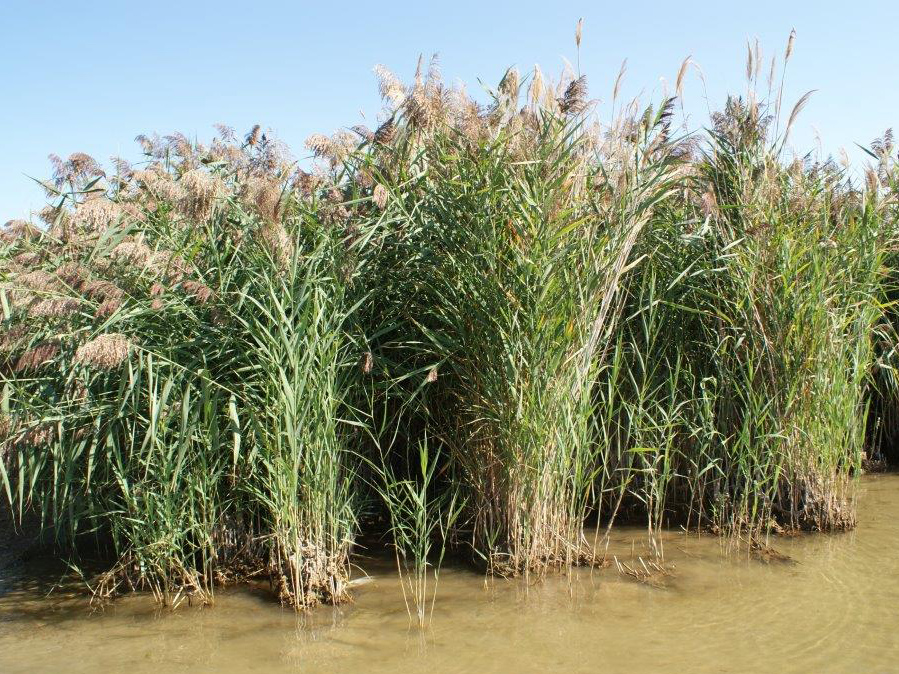
Phragmites, the invasive 12-foot-tall wetland grass, can dominate freshwater ecosystems—altering water flow, displacing native plants, and reducing habitat quality for wildlife. Herbicides or burning can reduce its spread, but these methods have environmental trade-offs.
Interestingly, phragmites also offer benefits: their root networks help protect marshes from rising sea levels, capture nutrients like nitrogen and phosphorus, store carbon, and even absorb legacy industrial pollutants.
The question remains—do the benefits outweigh the harms?
Read the full article on our website: The Pros and Cons of Phragmites
Dead Zone Grows in Gulf of Mexico
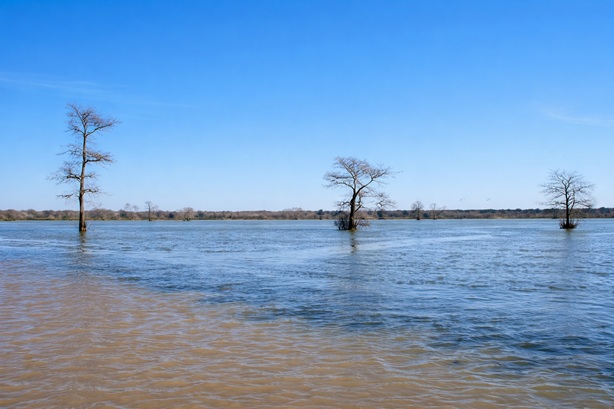
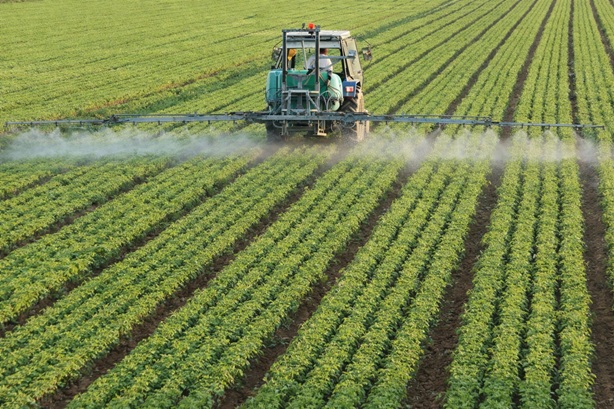
The Gulf’s dead zone now covers an estimated 6,474 square miles, unable to support marine life. Nutrient runoff—especially nitrogen and phosphorus from agriculture—is the main cause. Cornfields for ethanol production contribute heavily, and flooding spreads the pollutants. The dead zone costs the U.S. seafood and tourism industries an estimated $82 million annually.
Read the full article on our website: Dead Zone Grows in Gulf of Mexico
Turning Phosphorus in Wastewater into Fertilizer
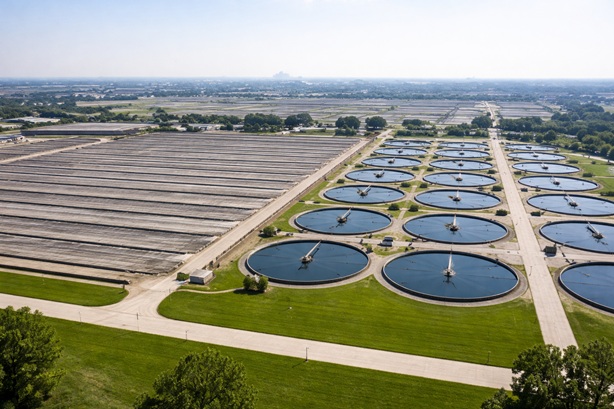
Chicago’s Stickney Water Reclamation Plant is reducing its phosphorus pollution by turning wastewater into nutrient-rich fertilizer “pearls.” This $31 million project could produce up to 10,000 tons of slow-release fertilizer annually and cut phosphorus discharges by 30%.
Read the full article on our website: Turning Phosphorus in Wastewater into Fertilizer
 Aquarius Systems