Blog Archives
Cleaning up Muskegon Lake
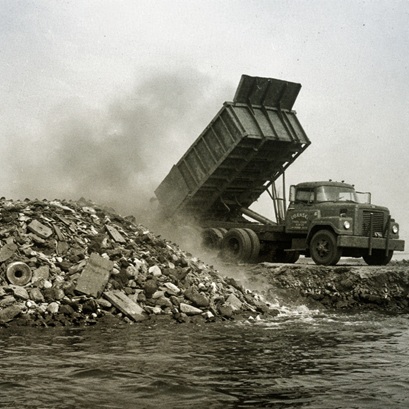
Designated a Great Lakes Area of Concern in 1985, Muskegon Lake has a long history of industrial pollution—from sawmill debris in the 1800s to chemical contamination from factories in the 1900s.
Today, restoration efforts continue. A $3.1 million cleanup project led by the West Michigan Shoreline Regional Development Commission aims to remove debris, restore wetlands, and rehabilitate the shoreline—further transforming Muskegon Lake into one of Michigan’s premier recreational destinations.
Read the full article on our website: Cleaning Up Muskegon Lake
The Overuse and Misuse of Pesticides
Pesticide resistance is a growing problem in agriculture, costing billions of dollars in crop losses and chemical use. Known as the “pesticide treadmill,” repeated use of the same chemical leads pests, weeds, and plant pathogens to develop resistance, requiring even more pesticide.
Examples include mosquitoes resistant to malaria-control pesticides, pigweed resistant to Roundup, and hydrilla no longer controlled by its preferred herbicide.
How to apply pesticides responsibly:
- Use mechanical methods and natural products first
- Apply chemicals only as a last resort and in targeted spot treatments
- Use pesticides labeled for the specific pest
- Rotate among different chemical types to prevent resistance
- Choose pest-tolerant plants and remove debris to reduce pest habitats
- Follow mixing and application instructions carefully
Read the full article: The Overuse and Misuse of Pesticides
 Aquarius Systems