Blog Archives
The Pollution Solution
Experts warn that by 2050, there could be more plastic than fish in the ocean, with rivers serving as the main pathways for debris. Since the mid-1970s, Aquarius Systems has developed innovative solutions to tackle this problem, beginning with the first Aquatic Trash Skimmer in Venice, Italy.
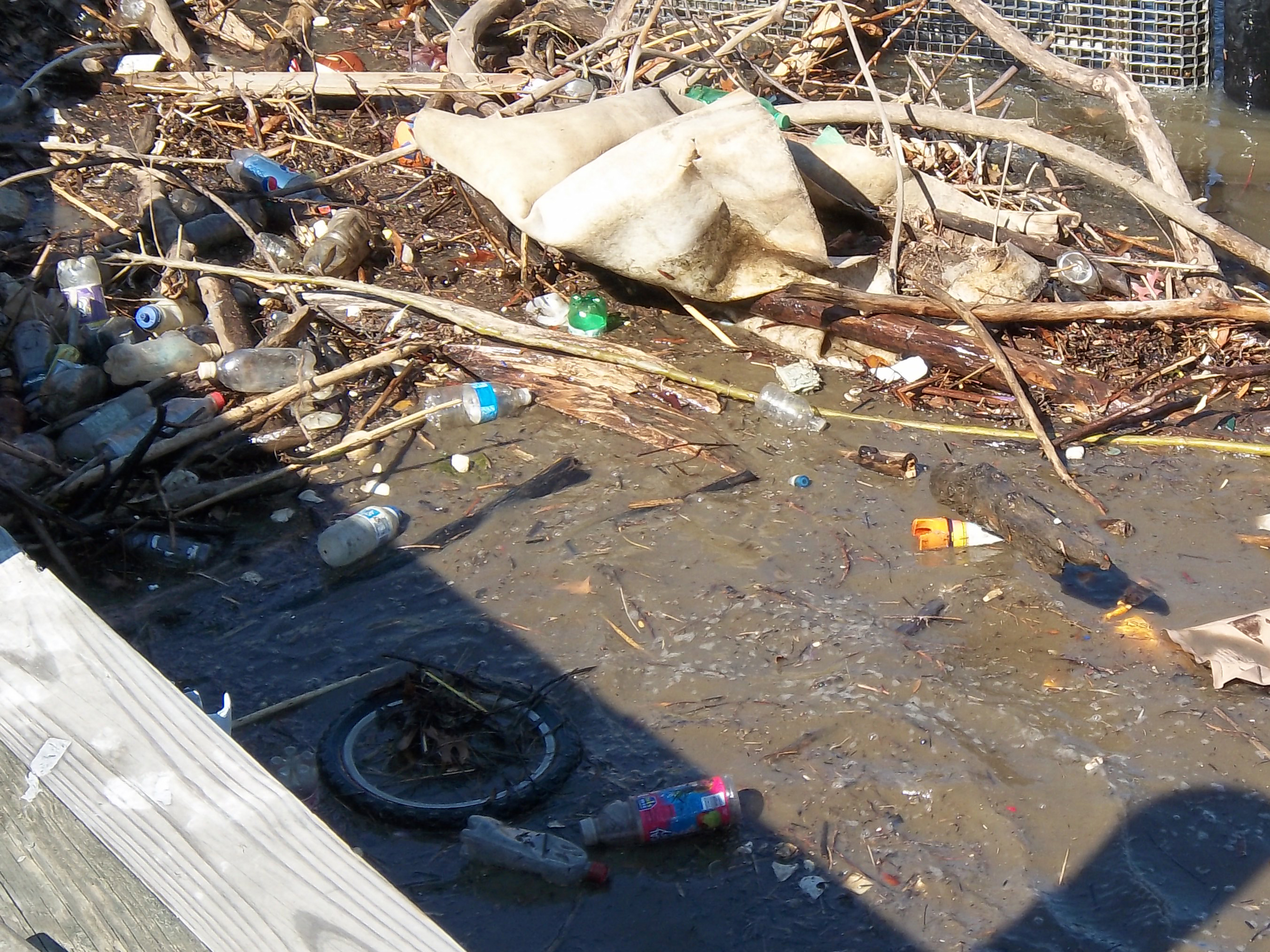
Today’s state-of-the-art Trash Hunters and Marine Debris Skimmers remove floating debris from rivers, lakes, and reservoirs—capturing plastics, tree branches, tires, and more—before they reach oceans. For example, the Milwaukee Metropolitan Sewerage District collected 1,545 cubic yards of debris in a single year, preventing thousands of washing-machine-sized loads of trash from entering Lake Michigan.
Programs like the Passaic River skimmer initiative remove hundreds of tons of trash annually, protecting both freshwater and marine ecosystems. These efforts show that innovative technology, combined with persistent cleanup and prevention strategies, can make a meaningful difference in reducing water pollution globally.
Read the full article on our website: The Pollution Solution

Cleaning up Muskegon Lake
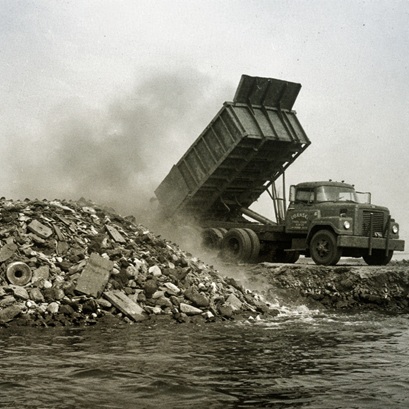
Designated a Great Lakes Area of Concern in 1985, Muskegon Lake has a long history of industrial pollution—from sawmill debris in the 1800s to chemical contamination from factories in the 1900s.
Today, restoration efforts continue. A $3.1 million cleanup project led by the West Michigan Shoreline Regional Development Commission aims to remove debris, restore wetlands, and rehabilitate the shoreline—further transforming Muskegon Lake into one of Michigan’s premier recreational destinations.
Read the full article on our website: Cleaning Up Muskegon Lake
Where Oh Where Did my Golf Ball Go?
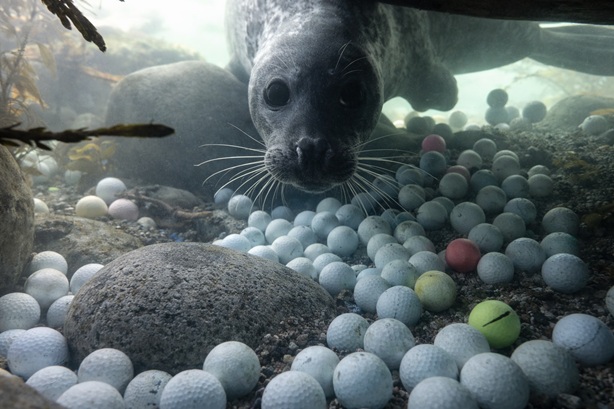
Teens Alex Weber and Jack Johnston have recovered nearly 40,000 golf balls from the ocean floor near Monterey Bay, preventing chemicals and microplastics from entering the marine environment.
Read the full article on our website: Where Oh Where Did my Golf Ball Go?
Food Packaging Waste
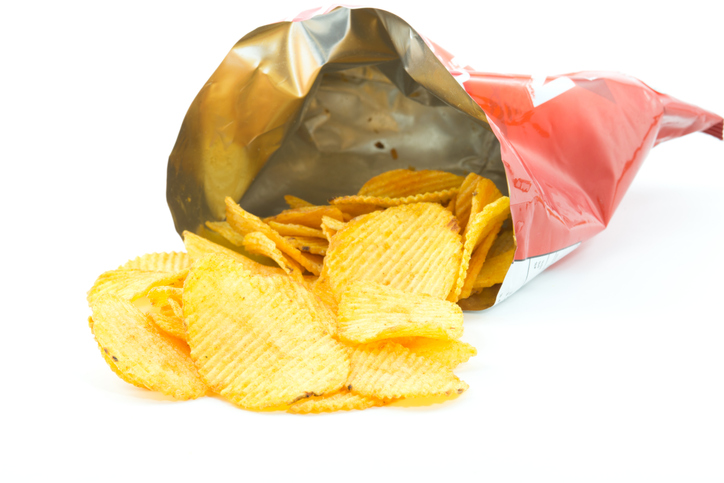
Single-use food packaging contributes heavily to global pollution. Reducing waste can include buying in bulk, carrying your own bags, choosing loose produce, selecting products with less packaging, and avoiding bottled water when tap water is safe.
Read the full article on our website: Food Packaging Waste
Water Capitalism Will Save the Fish
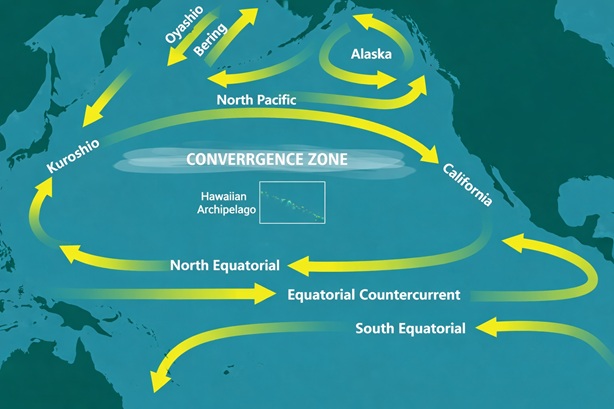
Ocean privatization—or “water capitalism”—could help address the global plastic pollution problem by giving private owners incentive to maintain and protect waterways, reducing debris in rivers, lakes, and oceans.
Read the full article on our website: Water Capitalism Will Save the Fish
Making Energy from Marine Debris
Derelict fishing gear threatens marine wildlife, but the Fishing for Energy program turns this problem into a solution. Fishermen can dispose of old gear at no cost, and collected materials are recycled or converted into energy, keeping over 3 million pounds of debris out of the ocean.
Read the full article on our website: Making Energy from Marine Debris

Plastic in the Food Chain
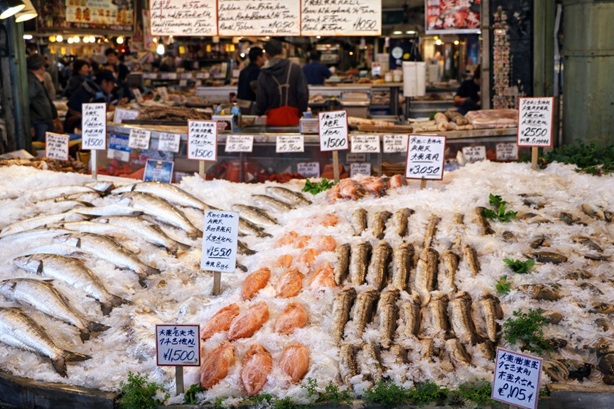
Researchers have found that about a quarter of fish sold in California and Indonesia contained plastic or fibers in their guts, linking ocean pollution directly to the food we eat. While it’s unclear how much risk this poses to humans, plastics can carry harmful chemicals that disrupt hormones and attract toxins. Scientists estimate eight million tons of plastic enter the oceans each year — a growing threat to marine life and people alike.
Read the full article on our website: Plastic in the Food Chain
Marine Debris in Your Backyard: Great Lakes
The Great Lakes are a central part of life in Southeastern Wisconsin, providing beaches, recreation, and community events. Unfortunately, pollution and marine debris threaten these inland waterways, impacting wildlife, water quality, and the enjoyment of these vital resources.
Read the full article on our website: Marine Debris in Your Backyard: Great Lakes
Is Alaska Ready for the Next Wave of Debris
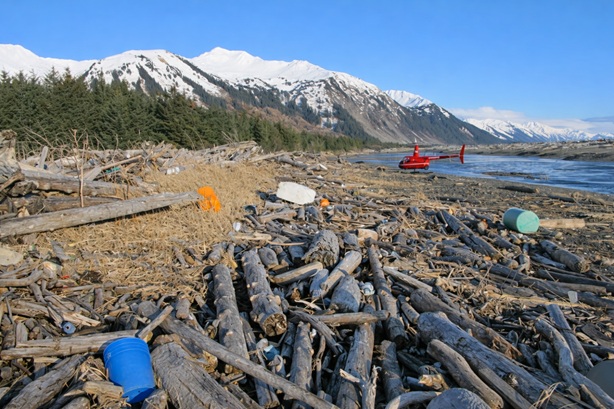
Nearly two years after the Japanese tsunami, debris such as refrigerators, foam buoys, and ketchup bottles are piling up on Alaska’s beaches. Foam pieces, some smaller than packing peanuts, are scattered across the coastline, posing risks to wildlife and the environment. Birds, rodents, and even bears are ingesting the debris, and chemicals from petroleum containers are a growing concern. Aerial surveys show the problem is more widespread than expected, highlighting the challenge of keeping Alaska’s coastline clean.
Read the full article on our website: Is Alaska Ready for the Next Wave of Debris
 Aquarius Systems
