Blog Archives
Fish Population Struggling after Chemical Treatments
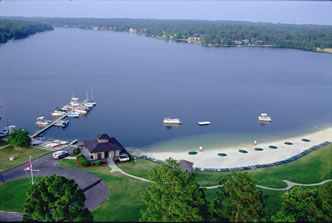
Hydrilla, an invasive aquatic plant, has caused massive problems in U.S. lakes, including Lake Pinehurst in North Carolina. Intensive herbicide treatments to eliminate hydrilla have also destroyed native vegetation, which is critical for fish habitat. The result? Stunted and unhealthy game fish due to a lack of forage fish and poor aquatic habitat.
Efforts to restore the lake now include restocking forage fish, feeding programs, and adding artificial habitats like submerged Christmas trees. While chemical treatments continue, locals hope for a more balanced approach that protects both recreation and the lake ecosystem.
Read the full article on our website: Fish Population Struggling after Chemical Treatments
The Overuse and Misuse of Pesticides
Pesticide resistance is a growing problem in agriculture, costing billions of dollars in crop losses and chemical use. Known as the “pesticide treadmill,” repeated use of the same chemical leads pests, weeds, and plant pathogens to develop resistance, requiring even more pesticide.
Examples include mosquitoes resistant to malaria-control pesticides, pigweed resistant to Roundup, and hydrilla no longer controlled by its preferred herbicide.
How to apply pesticides responsibly:
- Use mechanical methods and natural products first
- Apply chemicals only as a last resort and in targeted spot treatments
- Use pesticides labeled for the specific pest
- Rotate among different chemical types to prevent resistance
- Choose pest-tolerant plants and remove debris to reduce pest habitats
- Follow mixing and application instructions carefully
Read the full article: The Overuse and Misuse of Pesticides
 Aquarius Systems