Blog Archives
Water Solutions on a Global Scale
Milwaukee, Wisconsin, known as the U.S. freshwater technology capital, recently hosted naval officers from 30 countries at the Global Water Center. Visitors learned how local companies and universities address critical water challenges—from flood sensors and septage treatment systems to research at the University of Wisconsin-Milwaukee School of Freshwater Sciences.
Aquarius Systems was proud to showcase its Aquatic Vegetation Cutters, Trash Skimmers, and Amphibious Excavators, which help maintain lakes and rivers for drinking water, irrigation, and hydropower. Sharing expertise globally helps safeguard this vital resource for everyone.
Read the full article on our website: Water Solutions on a Global Scale
Wisconsin DNR Recycling Excellence Award Winner
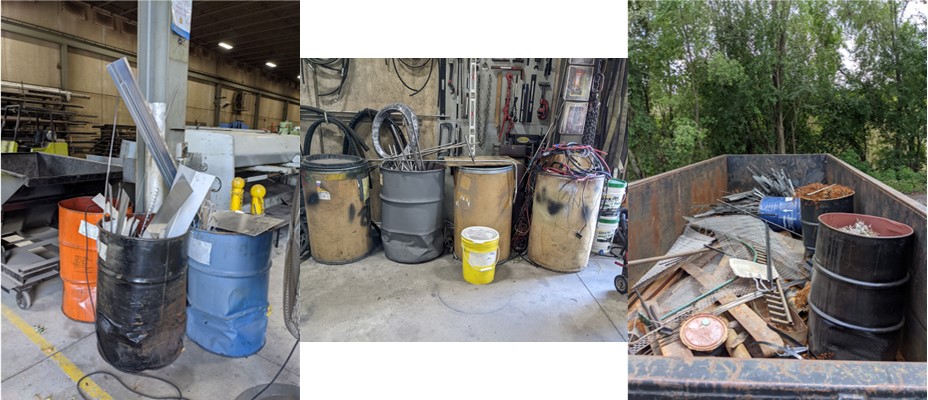
D&D Products, Inc., home to Aquarius Systems, has been recognized with a Recycling Excellence Award for outstanding efforts to reduce, reuse, and recycle in their manufacturing and office operations.
From recycling ink cartridges, electronics, scrap metal, and shipping materials to providing reusable mugs, low-flow faucets, and energy-efficient lighting, the company takes a company-wide approach to sustainability. Even small measures—like reusing dehumidifier water for plants—demonstrate their commitment to environmental stewardship.
Read the full article on our website: Wisconsin DNR Recycling Excellence Award Winner
A Tale of Two Harvesters
Growing up on Potter’s Lake in Wisconsin, summer days meant fishing, swimming, and watching aquatic weed harvesters at work. Decades later, it turns out two colleagues at Aquarius Systems shared that same childhood experience—though they had each watched different harvesters over the years.
The first machine, purchased in 1976, was the classic “Aquarius Blue,” while the lake upgraded to a stainless-steel harvester in 1985, which is still in operation today. A small world, connected by lakes and harvesters!
Read the full article on our website: A Tale of Two Harvesters

Manomin – Wisconsin’s Wild Rice
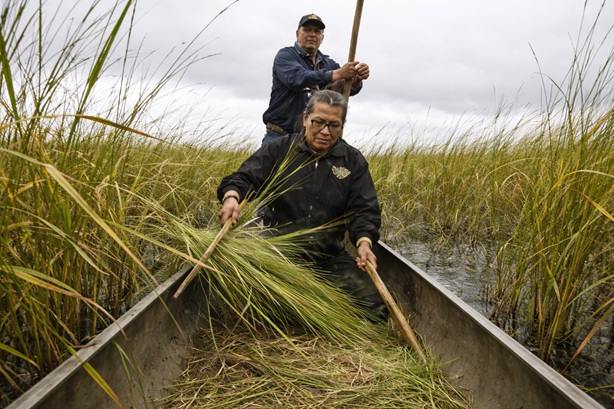
Wild rice, or manomin, has long been an important food source for both people and wildlife. Once abundant across Wisconsin’s shallow lakes and rivers, it was especially valued by the Ojibwe and Menominee tribes.
Today, many wild rice beds have been lost due to pollution, invasive species, and fluctuating water levels. Aquarius Systems’ equipment helps restore these natural habitats by removing excess vegetation and reopening waterways.
Read the full article on our website: Manomin – Wisconsin’s Wild Rice
What is a Nor’easter?
A nor’easter is a powerful storm along the U.S. East Coast, driven by northeast winds and fueled by the Gulf Stream. These storms bring heavy snow, rain, high winds, and coastal flooding from October through April. There are offshore-forming storms, often newsworthy and hitting cities like New York and Boston, and onshore-forming storms, which are milder. Famous nor’easters include the Great Blizzard of 1888, the Ash Wednesday Storm of 1962, The Perfect Storm of 1991, and more recent storms like the Halloween Nor’easter of 2011.
Read the full article on our website: What is a Nor’easter
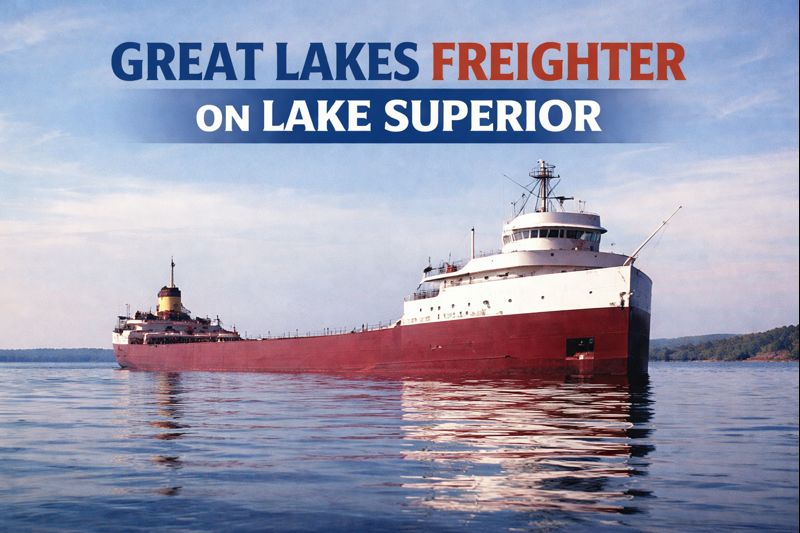
Lost at Sea: The SS Edmund Fitzgerald
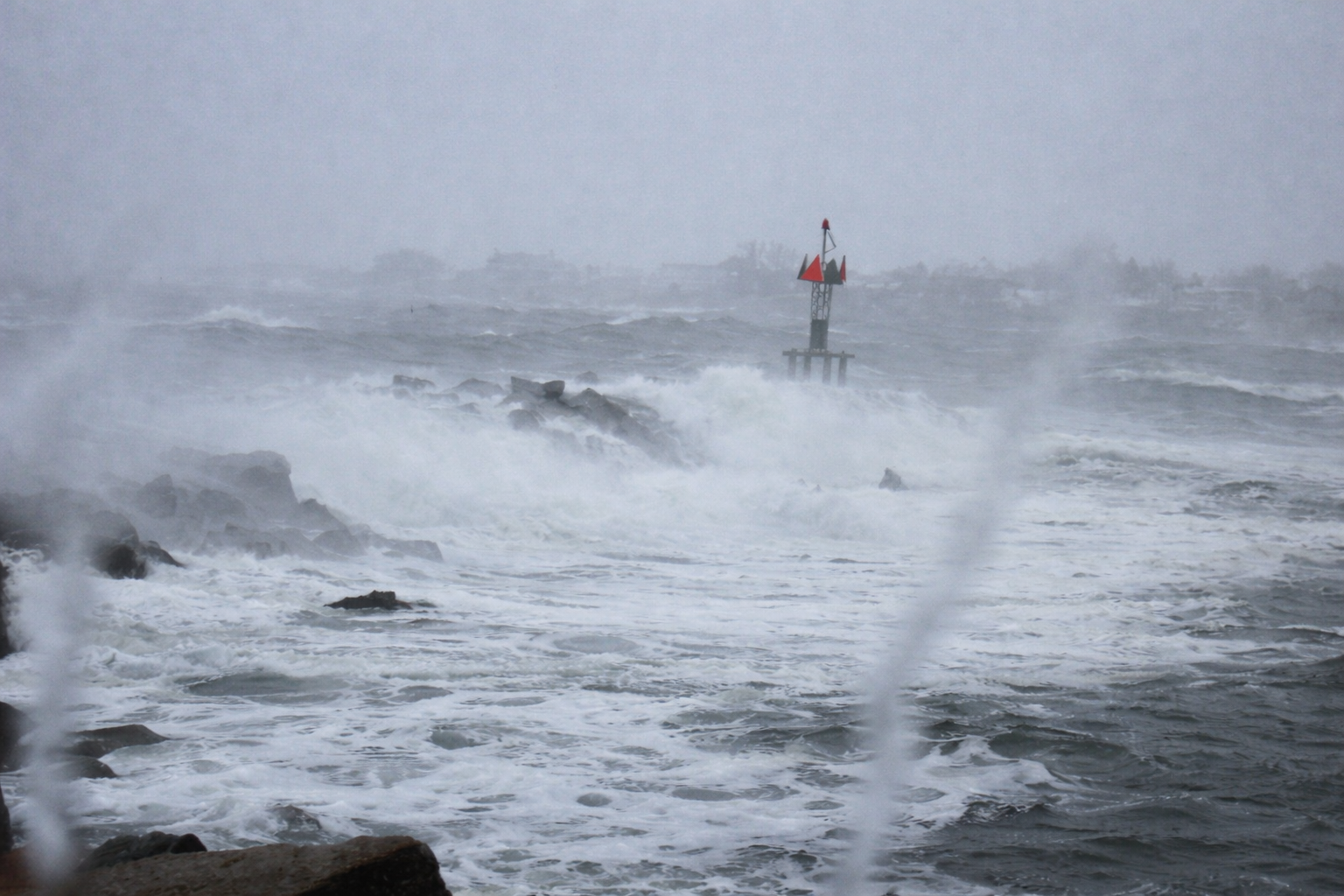
Lake Superior, the largest freshwater lake by surface area, is as dangerous and unpredictable as the open ocean. On November 9, 1975, the SS Edmund Fitzgerald, fully loaded with taconite iron ore, left Superior, Wisconsin and never reached Detroit. Caught in a massive winter storm with 35-foot waves and 86 mph wind gusts, all 29 crew members were lost. Extreme cold and the lake’s depth have kept most bodies from surfacing, adding to the lake’s legend.
Read the full article on our website: Lost at Sea
Hot Tips for a Cool Summer
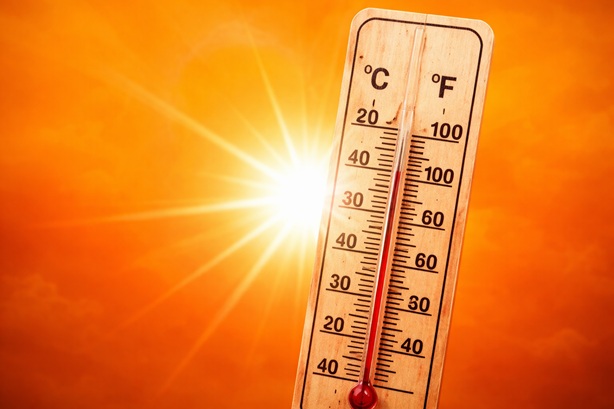
Summer is the perfect time to enjoy the outdoors—but it’s also a great opportunity to save money, reduce energy use, and protect your health. The EPA offers simple, practical tips to help you do all three.
A few highlights:
Lower cooling costs by raising your thermostat slightly and using ceiling fans. Save fuel by reducing idling, driving smoothly, and lightening your load. Protect your health with sun-safe habits, insect repellents, and clean indoor air. Use water wisely by watering lawns in the morning and avoiding midday waste. Reduce waste through recycling, composting, and smarter product choices.
Small changes can add up to big benefits—for your wallet, your home, and the environment.
Read the full article on our website: Hot Tips for a Cool Summer
Aquatic Invasive Species: Hydrilla
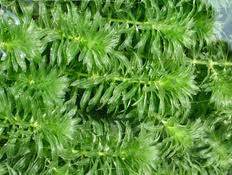
Hydrilla, native to Africa, has become a widespread invasive aquatic plant in U.S. waters. It forms dense mats that interfere with recreation and harm fish and wildlife habitats. Hydrilla spreads easily via seeds and fragments, making control challenging.
Management methods include:
Biological: Grass carp consume hydrilla but may also eat native plants.
Chemical: Herbicides are effective but can cause oxygen depletion and resistance.
Physical: Hand pulling, drawdowns, and aeration are labor-intensive.
Mechanical: Aquatic weed harvesters cut and remove hydrilla, providing immediate, environmentally friendly results while preventing nutrient buildup.
Read the full article on our website: Hydrilla Control
 Aquarius Systems