Blog Archives
Seaweed Diet Reduces Methane Emissions
Cattle are responsible for roughly 70% of agriculture-related methane emissions, a major contributor to climate change. Scientists have found that supplementing cows’ diets with red algae (Asparagopsis taxiformis) can reduce methane emissions by up to 80%.
The algae’s bromoform compound disrupts the enzymes that produce methane, offering a promising approach to make beef production more environmentally friendly—though it’s only found in this specific red seaweed.
Read the full article on our website: Seaweed Diet Reduces Methane Emissions
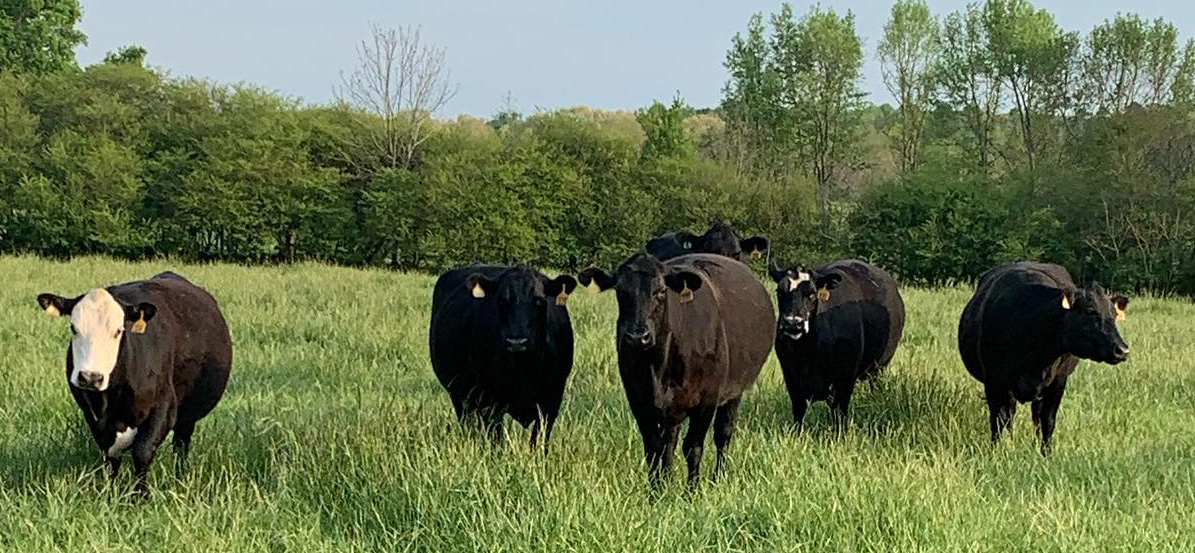
Red algae seaweed contains a compound called bromoform, which is responsible for interfering with the enzymes that product methane. Unfortunately, bromoform is found only in the red sea algae, not freshwater macrophytes, darn!
Read More
Fertilizer Use Creates Toxic Cocktail
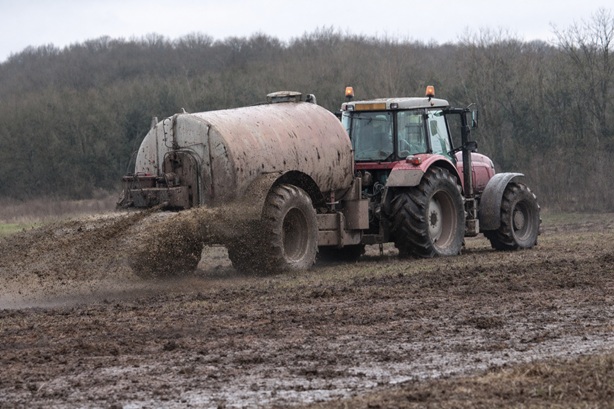
Excessive fertilizer and manure applications are contaminating Wisconsin’s groundwater and contributing to harmful algae growth in lakes and streams. Nitrate pollution affects drinking water safety, posing risks to infants, pregnant women, and adults over time.
Read the full article on our website: Fertilizer Use Creates Toxic Cocktail
Algae to Fuel your Automobile
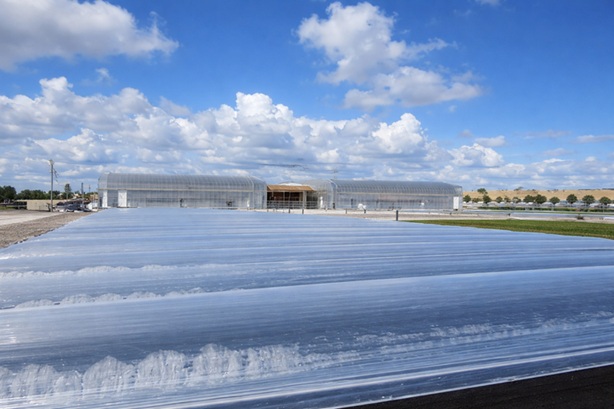
Algenol Biofuels in Florida produces ethanol from algae, using sunlight, CO₂, and saltwater. Unlike harmful algae blooms in lakes, the algae for ethanol is grown in controlled, sealed systems, allowing efficient fuel production without using freshwater or prime farmland.
This process not only creates renewable fuel but also recycles CO₂, reducing greenhouse gas emissions. While challenges remain for large-scale adoption, algae-based ethanol shows promise as a sustainable alternative energy source.
Read the full article on our website: Algae to Fuel Your Automobile
 Aquarius Systems