Water Capitalism Will Save the Fish
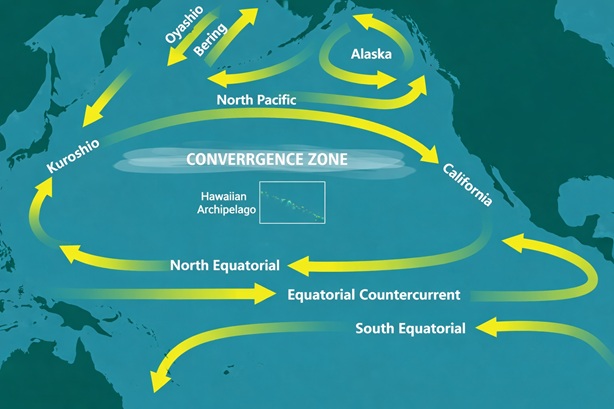
Ocean privatization—or “water capitalism”—could help address the global plastic pollution problem by giving private owners incentive to maintain and protect waterways, reducing debris in rivers, lakes, and oceans.
Read the full article on our website: Water Capitalism Will Save the Fish
What’s in Your Bottled Water?
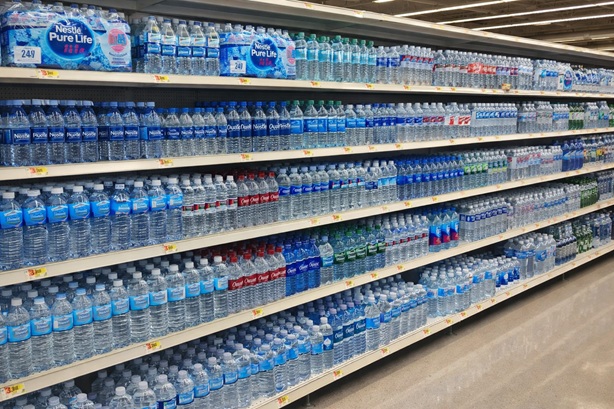
A study by Orb Media found that nearly all major bottled water brands contain plastic particles, with hundreds of microparticles per bottle and potentially tens of thousands ingested daily by consumers.
Read the full article on our website: What’s in Your Bottled Water?
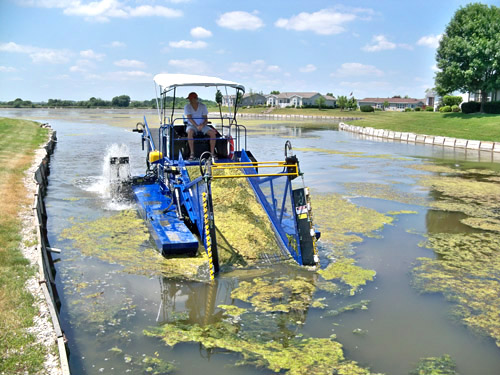
Aquatic Weed Harvester Helps to Restore Pond
Restoration efforts at Georgica Pond are showing results thanks to an aquatic weed harvester removing nutrient-rich algae that fuel toxic cyanobacteria blooms.
Read the full article on our website: Aquatic Weed Harvester Helps to Restore Pond
Spreading the Invaders
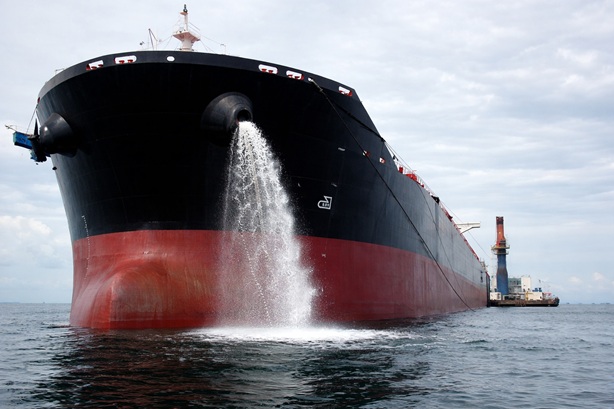
Nearly 80% of non-native species on the West Coast were first seen in California. While ballast water from cargo ships is a major source, recreational boating and even aquarium dumping have also spread invasive species, costing the state millions.
Read the full article on our website: Spreading the Invaders
Fate of Upper Spring Lake in Court
A dispute over Upper Spring Lake in Palmyra, Wisconsin, is back in court. After rebuilding a $1 million dam, the owners are now facing questions about water levels and property boundaries with the DNR, which claims the higher water level floods state land.
Read the full article on our website: Fate of Upper Spring Lake in Court

Innovative Weaponry in the Fight Against AIS
New technology is being used to fight invasive species. The Guardian LF1 robot stuns and captures lionfish, while the Magna Carpa boat uses electric currents to collect invasive Asian carp, which are later turned into fertilizer.
Read the full article on our website: Innovative Weaponry in the Fight Against AIS

To Salt or Not to Salt
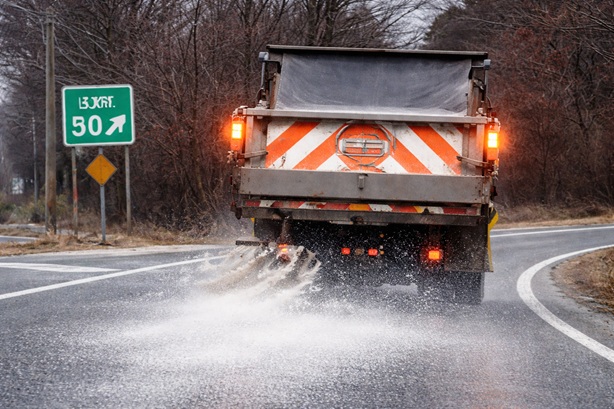
After Portland’s first snowstorm left roads frozen and traffic snarled for hours, city officials are reconsidering their stance on using road salt. While salt helps melt ice and improve safety, it can also corrode infrastructure and harm the environment. In Minnesota, chloride levels in many lakes and rivers now exceed safe standards — and just one teaspoon of road salt can permanently pollute five gallons of water.
Read the full article on our website: To Salt or Not to Salt
Drought Disasters Around the World
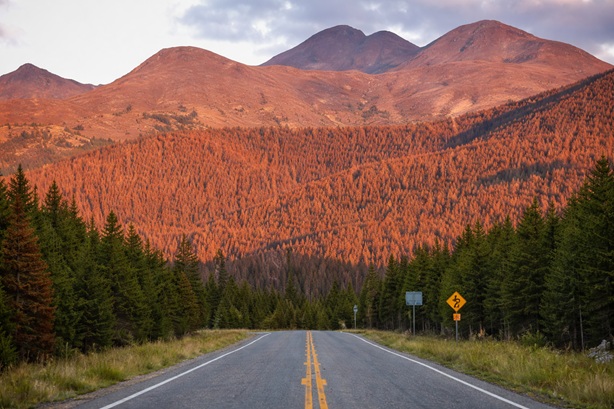
Drought is taking a toll across the globe. In California, over 100 million trees have died. Farmers in Tennessee and Georgia are struggling as pastures dry up. Peru is facing its worst drought in 50 years, sparking wildfires across protected lands. In Africa, drought has left hundreds of thousands facing famine in Madagascar and severe crop losses in Zimbabwe and Somalia.
Read the full article on our website: Drought Disasters Around the World
Dead Zone Grows in Gulf of Mexico
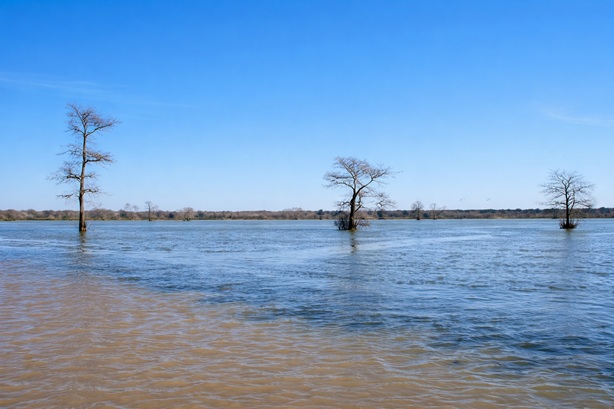
The Gulf’s dead zone now covers an estimated 6,474 square miles, unable to support marine life. Nutrient runoff—especially nitrogen and phosphorus from agriculture—is the main cause. Cornfields for ethanol production contribute heavily, and flooding spreads the pollutants. The dead zone costs the U.S. seafood and tourism industries an estimated $82 million annually.
Read the full article on our website: Dead Zone Grows in Gulf of Mexico
 Aquarius Systems