Protecting the Lake
Pewaukee Lake was created in 1838 and has faced decades of aquatic plant management challenges. For years, herbicides were used to control invasive weeds—but in 1985, the Lake Pewaukee Sanitary District discontinued chemicals and expanded its mechanical harvesting program instead.
By removing plants rather than killing them with herbicides, the district has reduced nutrients that fuel regrowth, encouraged native plant diversity, and supported a healthier ecosystem—all while balancing recreation and environmental protection.
Read the full article on our website: Protecting Pewaukee Lake

Balloons and Floating Lanterns – Should they be Banned?
Like balloons, sky lanterns eventually come down—and often end up as litter that harms wildlife and the environment. Despite growing awareness about the dangers of balloon releases, lantern festivals continue to draw crowds across the country.
One popular organizer, Night Lights, claims their biodegradable lanterns and cleanup crews make events environmentally responsible. But questions remain—particularly about fuel cells and whether attendees truly follow restrictions.
Read the full article on our website: Balloons and Floating Lanterns – Should They Be Banned?

300 lbs of Road Salt per Lane per Mile
It’s hard to believe, but about 300 pounds of salt are applied per lane per mile during winter road treatment—that’s the industry standard for keeping roads safe.
According to Wisconsin Salt Wise, just one teaspoon of salt can permanently pollute five gallons of water to a level harmful to freshwater life. In Dane County, an estimated 500 tons of salt enter Lake Mendota each winter as runoff. This not only harms lake ecosystems but also affects local drinking water quality.
Read the full article on our website: Madison’s Actions to Limit Salt Usage
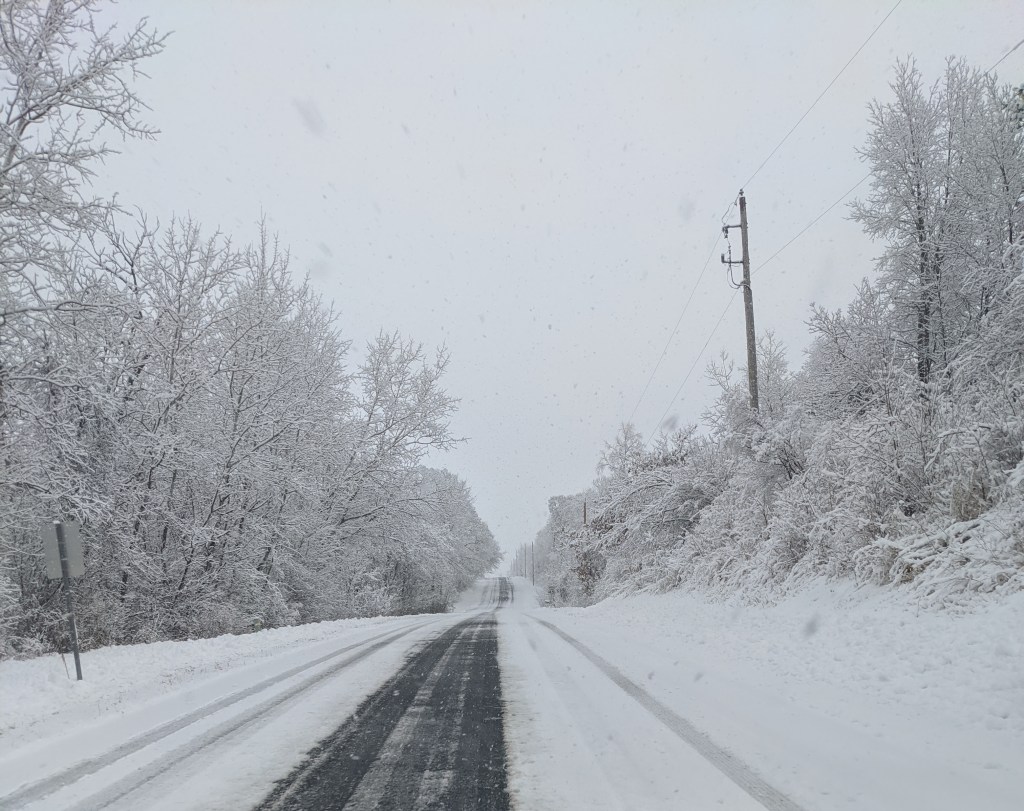
Road Salt Making U.S. Lakes Saltier
Each winter, road crews work hard to keep drivers safe—but the heavy use of road salt is taking a toll on our lakes and streams.
Researchers found that 44% of U.S. lakes are at risk of salinization, meaning salt buildup is harming water quality, wildlife, and soil health. With an estimated 22 million tons of salt applied to roads each year, much of it ends up washing into nearby waterways.
Read the full article on our website: Road Salt Making U.S. Lakes Saltier
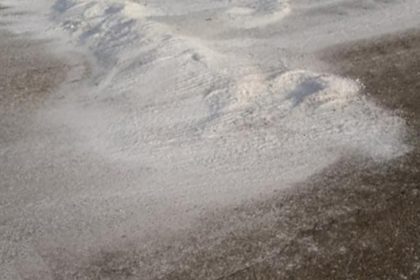

Shoreline Development Can Impact Lake Health
High water levels and eroding shorelines have become major concerns for Michigan property owners—especially those living along the Great Lakes and inland lakes. While we can’t control Mother Nature, there are practical steps you can take to protect your shoreline and maintain lake health.
Simple Ways to Protect Your Shoreline:
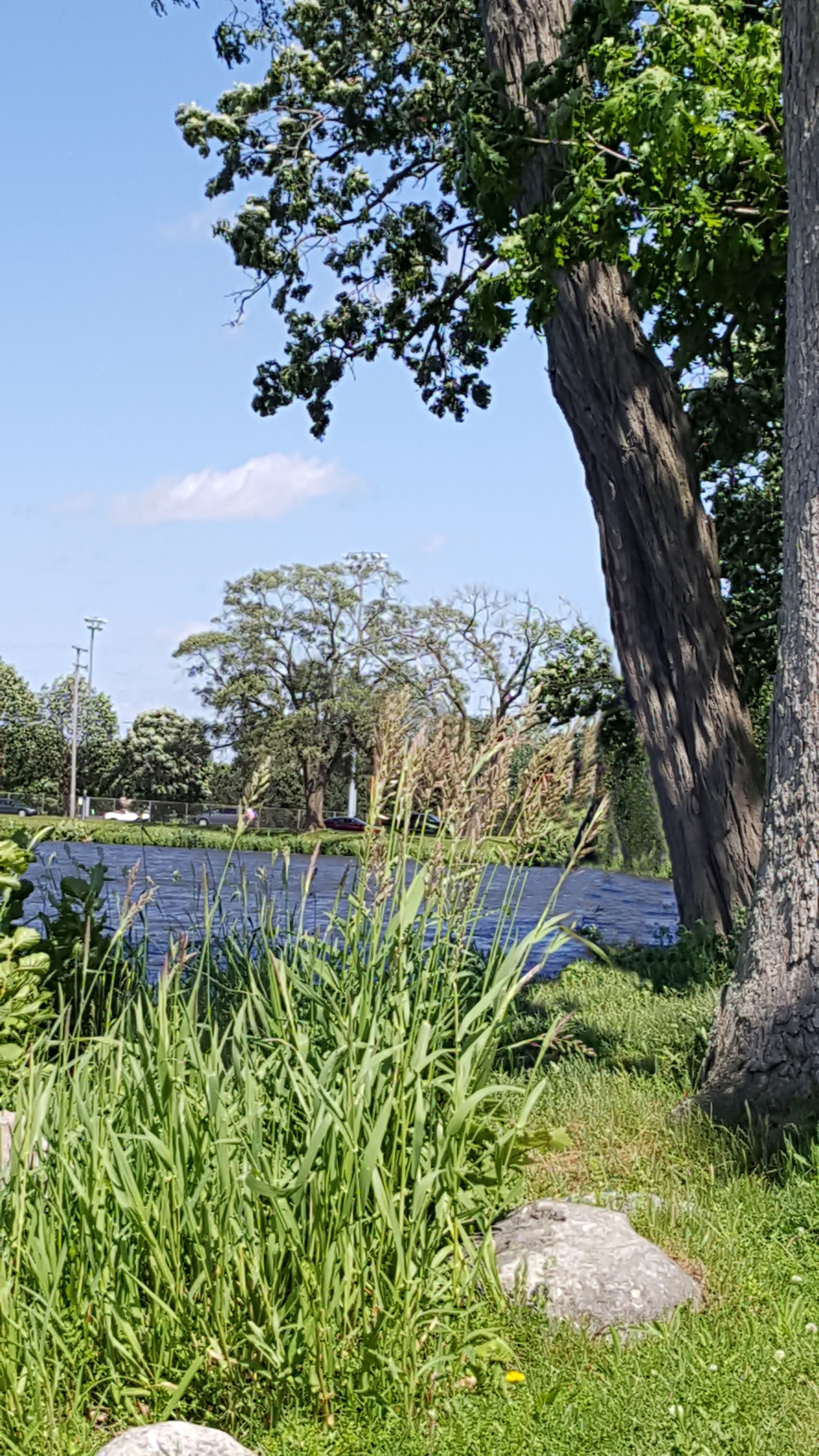
- Create a natural buffer zone with vegetation.
- Plant native aquatic species to stabilize soil.
- Reduce turfgrass and impervious surfaces to limit runoff.
- Leave fallen trees for fish and wildlife habitat.
- Use minimal sand and consider bioengineering (lakescaping) for long-term stability.
Read the full article on our website: Shoreline Development Can Impact Lake Health
Where Oh Where Did my Golf Ball Go?
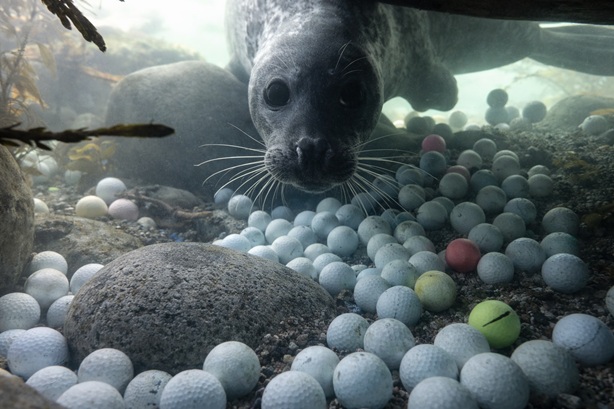
Teens Alex Weber and Jack Johnston have recovered nearly 40,000 golf balls from the ocean floor near Monterey Bay, preventing chemicals and microplastics from entering the marine environment.
Read the full article on our website: Where Oh Where Did my Golf Ball Go?
Food Packaging Waste
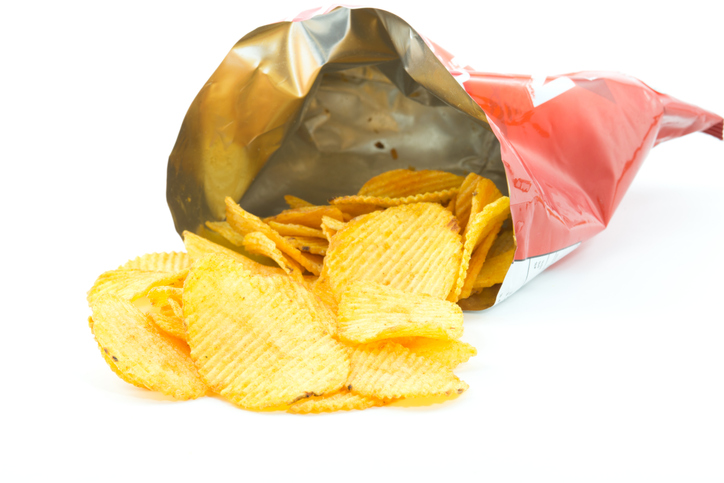
Single-use food packaging contributes heavily to global pollution. Reducing waste can include buying in bulk, carrying your own bags, choosing loose produce, selecting products with less packaging, and avoiding bottled water when tap water is safe.
Read the full article on our website: Food Packaging Waste
5 Things You’re Recycling Wrong
Common items like pizza boxes, disposable cups, yogurt containers, takeout boxes, and plastic bags often contaminate recycling, making it harder for waste managers to process materials properly.
Read the full article on our website: 5 Things You’re Recycling Wrong

Squeezing Water from Air
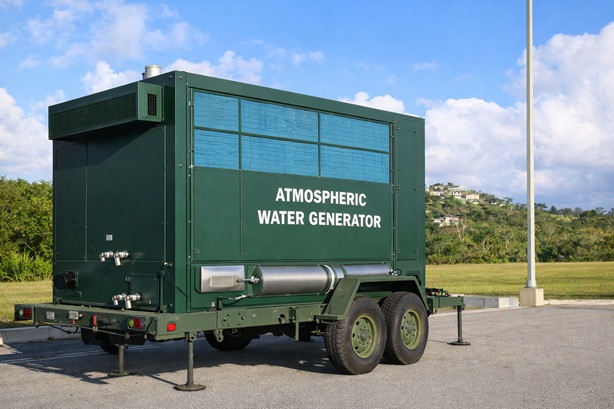
An atmospheric water generator is helping Puerto Rico produce clean drinking water by pulling moisture from the air and filtering it, providing thousands of gallons daily to communities still recovering from Hurricane Maria.
Read the full article on our website: Squeezing Water from Air
Water Capitalism Will Save the Fish
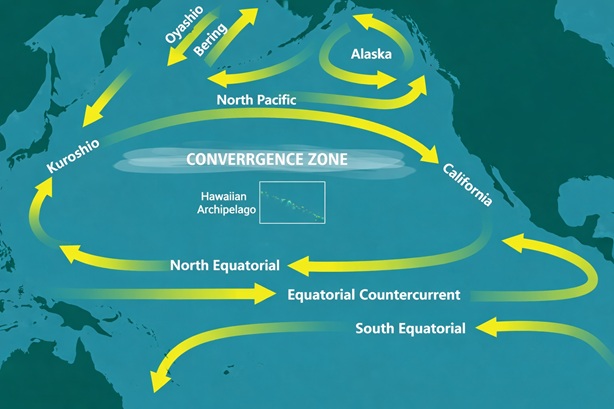
Ocean privatization—or “water capitalism”—could help address the global plastic pollution problem by giving private owners incentive to maintain and protect waterways, reducing debris in rivers, lakes, and oceans.
Read the full article on our website: Water Capitalism Will Save the Fish
 Aquarius Systems