A Success Story – Lake Minnewawa Weed Harvesting
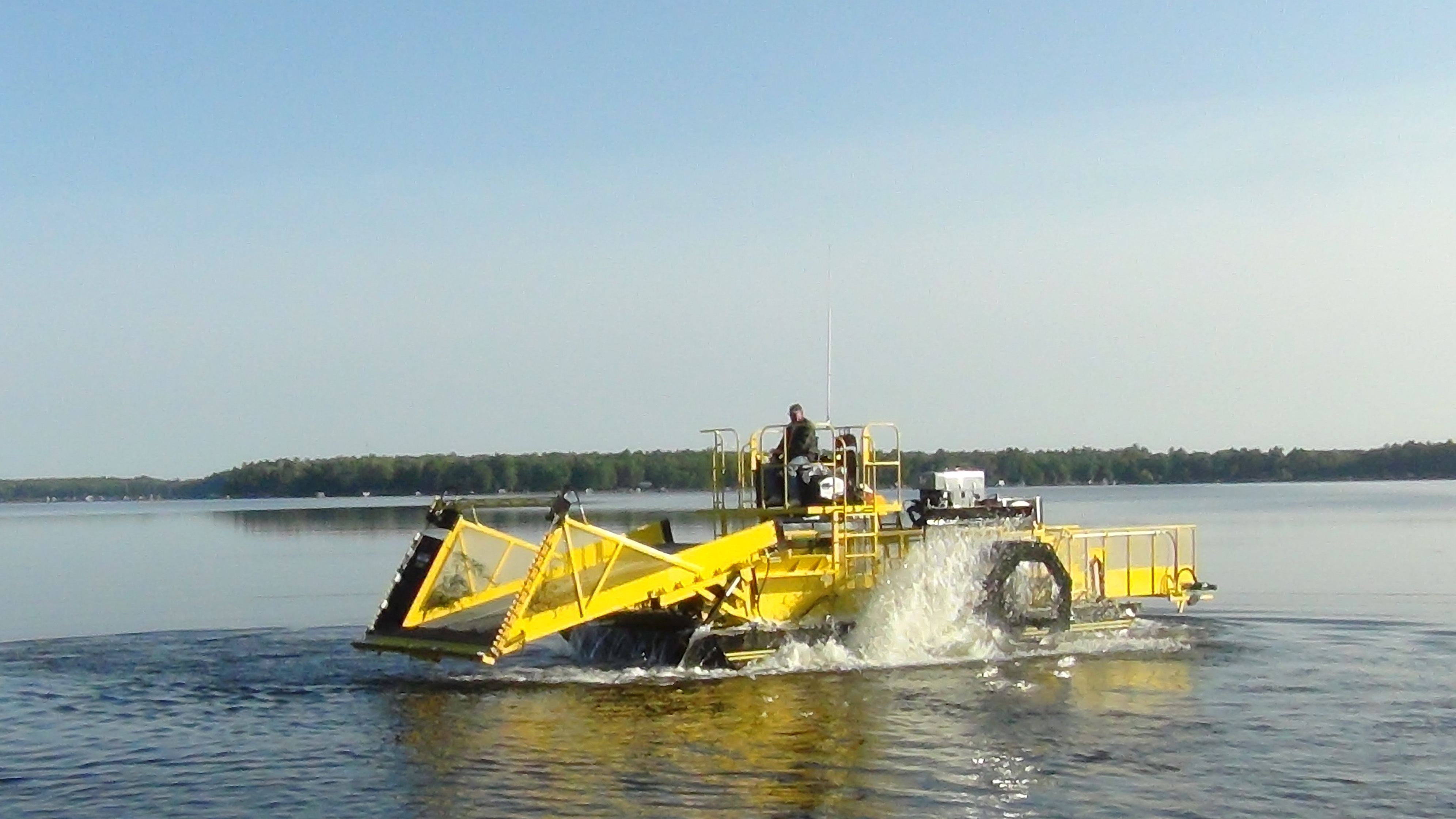
In the 1970s, Lake Minnewawa was overrun with weeds, making boating and water quality a challenge. In response, local residents formed the Save Minnewawa Association and eventually purchased an Aquarius Systems weed harvester.
Operating several months each year, the harvester clears invasive vegetation, improves water clarity, and removes excess phosphorous — reducing algae growth and supporting a healthier ecosystem. The project is funded by memberships, donations, and volunteer work, not state funds, making it a true community effort.
Thanks to years of consistent harvesting, the lake has seen significant improvements in water quality and usability, proving the value of mechanical weed management over chemical alternatives.
Read the full article on our website: Lake Minnewawa Weed Harvesting Success Story
Milfoil — Beating back the invader
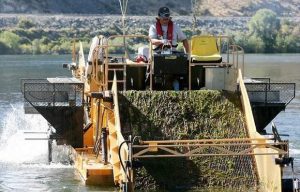
Along the Columbia River, milfoil, an invasive aquatic weed, can make boating and recreation difficult. Park maintenance crews use a milfoil harvester, which cuts and collects the plants, keeping waterways clear and safe for visitors.
Once harvested, the milfoil is taken to compost piles, where it naturally breaks down, providing an eco-friendly solution for managing invasive plants. This method helps maintain the river environment while ensuring parks remain accessible and enjoyable.
Snowstorms Triple Trash in Anacostia River
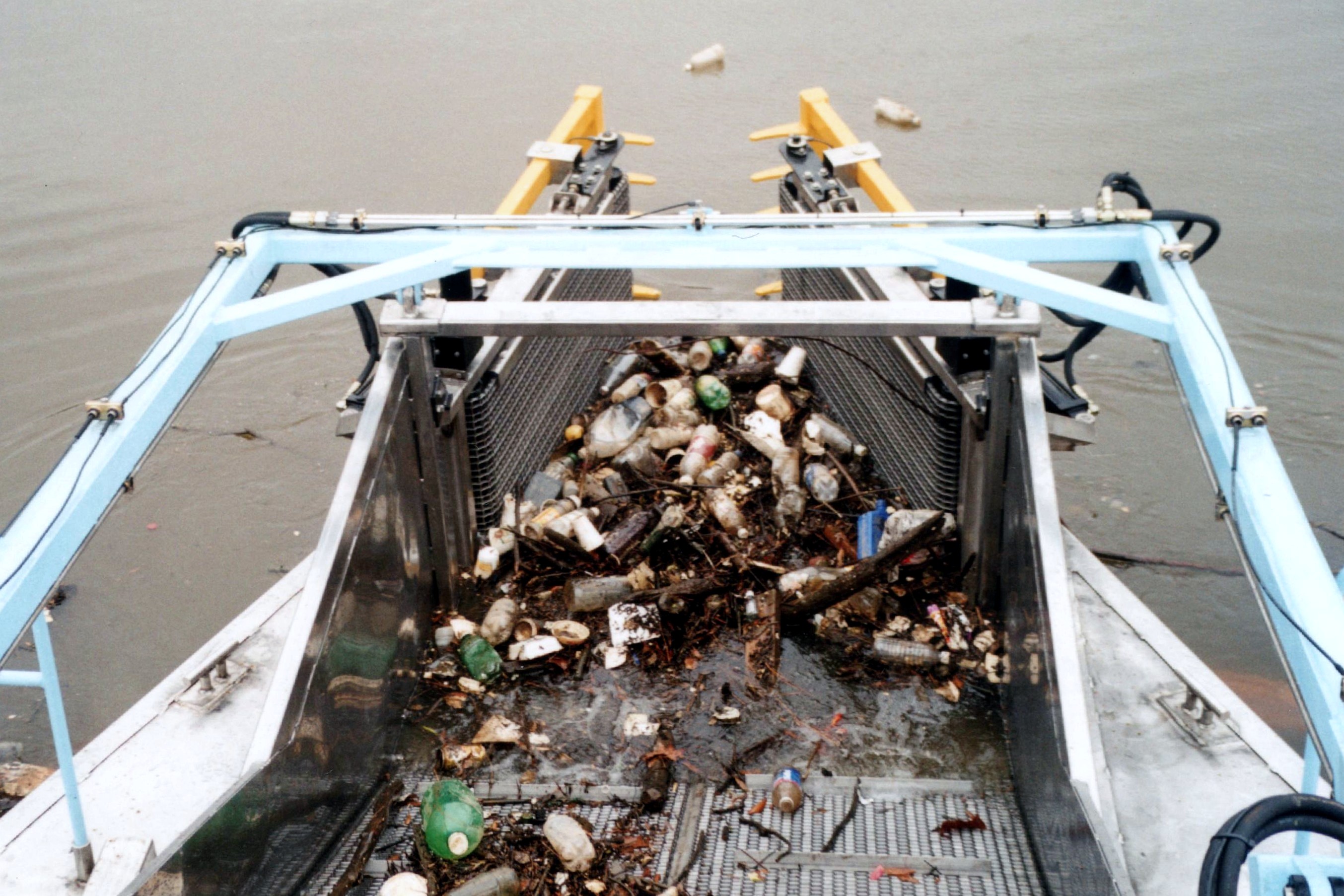
Following a series of heavy snowstorms, the Anacostia River saw a surge in debris — nearly three times the usual amount collected by D.C.’s Water and Sewer Authority. Crews work year-round to remove hundreds of tons of trash from the water, but winter runoff can make the problem worse.
Efforts like D.C.’s bag tax and community cleanup programs aim to reduce the amount of plastic and litter entering the river, protecting local waterways and wildlife.
Read the full article on our website: Snowstorms Triple Trash in Anacostia River
Think Twice When Fertilizing your Lawn This Fall
Everyone lives in a watershed, meaning what happens on your lawn can affect nearby lakes, rivers, and streams. As fall arrives and homeowners prepare to fertilize, it’s important to remember that phosphates—a common ingredient in lawn fertilizer—can lead to algae growth and poor water quality.
Practicing responsible lawn care helps protect waterways from pollution. The EPA offers helpful resources and videos on how to maintain a healthy lawn while reducing runoff and nutrient pollution.
Read the full article on our website: Think Twice When Fertilizing Your Lawn This Fall
Are Invasive Species Really Bad?
Across the United States, more than 1,500 plants and animals have taken root in places they don’t belong — often because of human activity. From zebra mussels in the Great Lakes to Asian carp in the Mississippi River, invasive species have long been viewed as a major environmental threat.

While control efforts have focused on protecting native habitats and restoring natural balance, some scientists are beginning to question whether all invasive species are entirely harmful. The debate continues as researchers and ecologists examine how ecosystems adapt and change over time.
Read the full article on our website: Are Invasive Species Really Bad?
What is an Aquatic Weed Harvester?
Aquatic Weed Harvesters provide an environmentally friendly way to manage nuisance vegetation in lakes, ponds, and waterways of all sizes. Acting like an underwater lawn mower, they cut and collect submerged, emergent, and floating plants to keep water clear and usable.
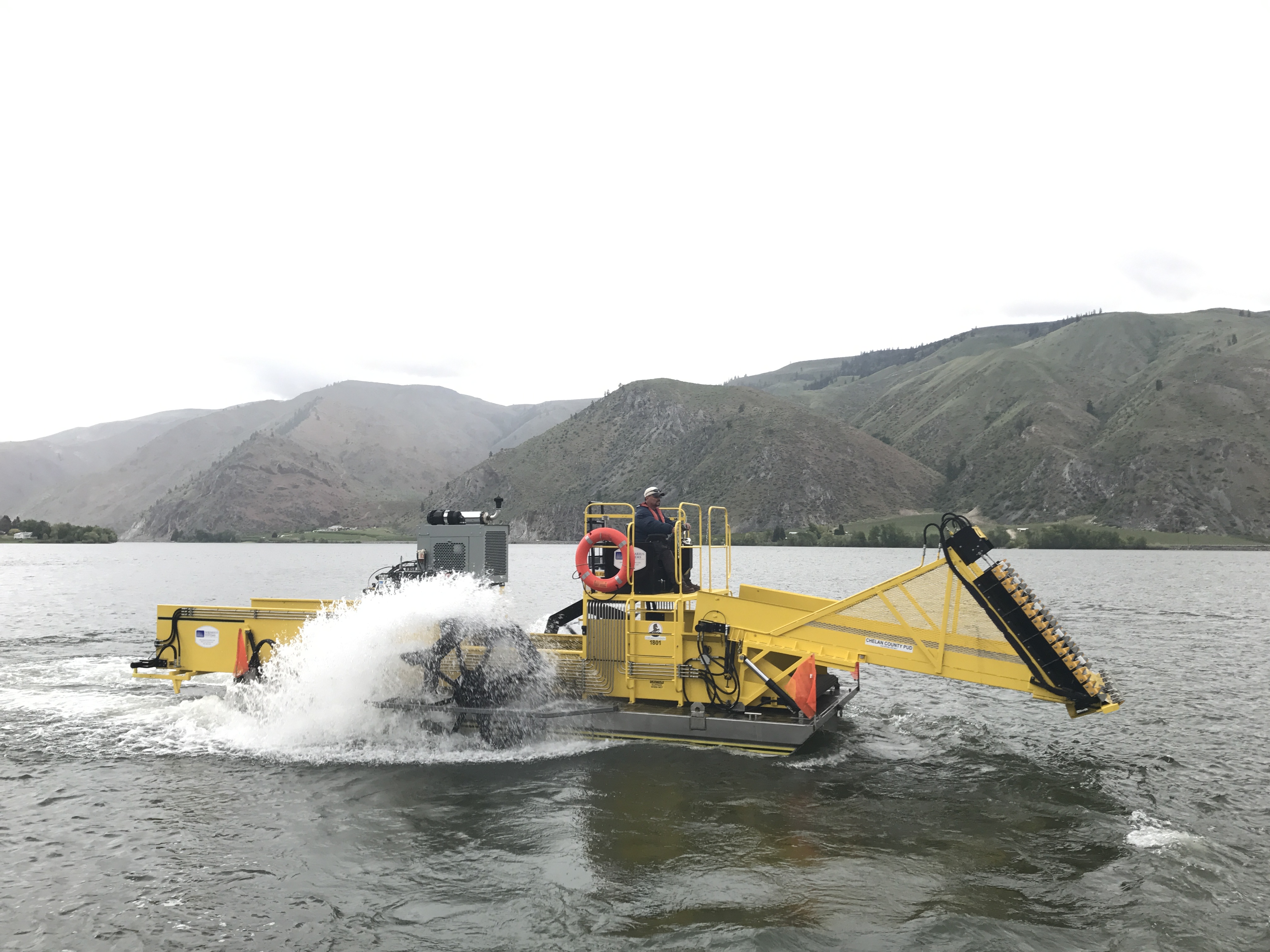
Each machine uses a forward conveyor and cutter bars to remove weeds, storing them on board before offloading at shore. Aquarius Systems offers a range of customizable models to meet specific lake and vegetation needs, helping restore balance to aquatic environments.
Read the full article on our website: What Is an Aquatic Weed Harvester?
DNR “Mows” Dogwood Lake
At Indiana’s Glendale Fish and Wildlife Area, DNR staff used an Aquatic Weed Harvester to manage overgrown lotus pads and coontail on Dogwood Lake. This effort helps maintain healthy waterways and ensures better conditions for fishing and recreation.
Aquatic plant harvesting provides an environmentally friendly way to control vegetation growth without chemicals — improving water quality and access for boaters and anglers.
Read the full story on our website: DNR “Mows” Dogwood Lake
 Aquarius Systems