Category Archives: Uncategorized
Advantages of Aquatic Weed Harvesting
Mechanical harvesting of aquatic weeds offers many benefits over chemical control or doing nothing. It provides immediate relief from nuisance plants, improves navigation and recreation, removes excess nutrients like nitrogen and phosphorus, and leaves living plants behind to continue supporting oxygen and habitat. Harvesting also reduces muck buildup, improves fishing access, and creates compostable vegetation for soil enrichment.
Read the full article on our website: Advantages of Aquatic Weed Harvesting

Road Salt Does More than Make Roadways Safe

Road salt keeps sidewalks and highways safe during icy winter months, but it comes with serious environmental and health costs. Salt contaminates drinking water, harms vegetation, acidifies soil, and threatens aquatic life, including frogs and salamanders. Excess sodium in groundwater can increase hypertension risk in humans. While alternatives exist, road salt remains the most cost-effective de-icing solution. Using it efficiently is key to minimizing damage.
Read the full article on our website: Road Salt Does More than Make Roadways Safe
2013 – A Year to Change

Plastic bags and single-use plastics are a major environmental threat, choking wildlife, clogging waterways, and never fully biodegrading. Millions of tons enter oceans every year, impacting sea turtles, birds, fish, and other marine life. Cities like Brookline, Mountain View, Portland, and Delhi have enacted bans to curb plastic use. You can make a difference by refusing single-use plastics, using reusable bags, bottles, and utensils, and encouraging others to do the same.
Read the full article on our website: 2013 – A Year to Change
Scotts Miracle-Gro Violates Pesticide Laws
Scotts Miracle-Gro pleaded guilty in federal court for illegally applying toxic insecticides to its wild bird food products, violating the Federal Insecticide, Fungicide, and Rodenticide Act (FIFRA). The company sold over 70 million units treated with pesticides harmful to birds, submitted false documents to the EPA, and marketed products with misleading labels. Scotts was fined more than $12.5 million, marking the largest FIFRA enforcement fine in history.
Read the full article on our website: Scotts Miracle-Gro Violates Pesticide Violations
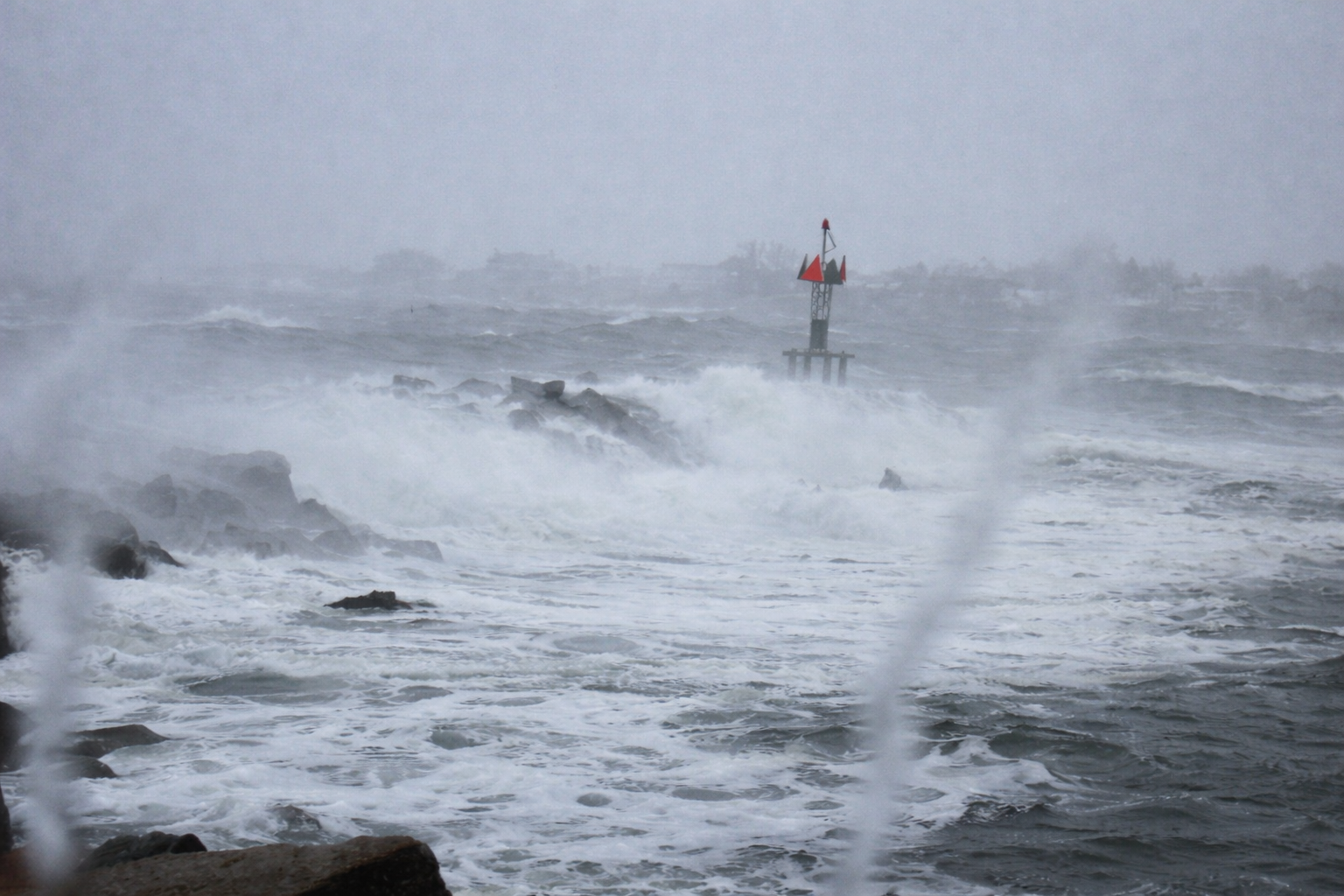
What is a Nor’easter?
A nor’easter is a powerful storm along the U.S. East Coast, driven by northeast winds and fueled by the Gulf Stream. These storms bring heavy snow, rain, high winds, and coastal flooding from October through April. There are offshore-forming storms, often newsworthy and hitting cities like New York and Boston, and onshore-forming storms, which are milder. Famous nor’easters include the Great Blizzard of 1888, the Ash Wednesday Storm of 1962, The Perfect Storm of 1991, and more recent storms like the Halloween Nor’easter of 2011.
Read the full article on our website: What is a Nor’easter
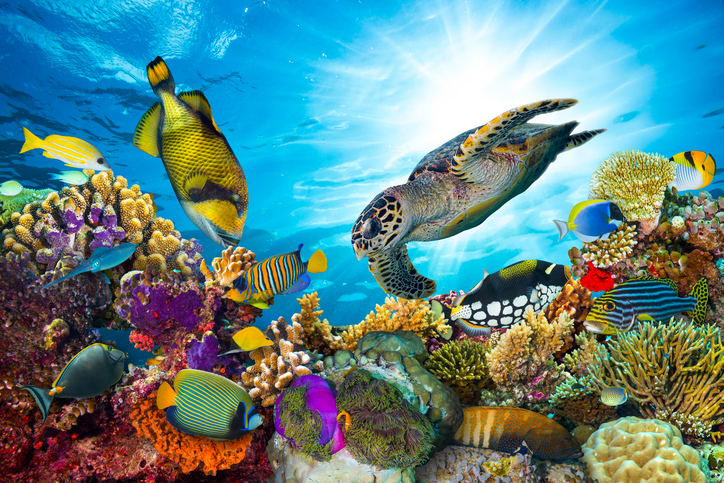
Pesticides: A Key Concern for the Great Barrier Reef
The Great Barrier Reef in Queensland, Australia, is the world’s largest coral reef system, home to thousands of species including clownfish, sea turtles, and humpback whales. While cyclones can damage the reef, manmade threats like pollution and pesticide runoff from farms have caused significant coral loss. A 2009 monitoring program found multiple pesticides exceeding safe limits at eight sites, with over 90% coming from agricultural runoff. Efforts like the Great Barrier Reef Marine Park and pesticide restrictions aim to protect the reef, but challenges remain.
Read the full article on our website: Pesticides and the Great Barrier Reef
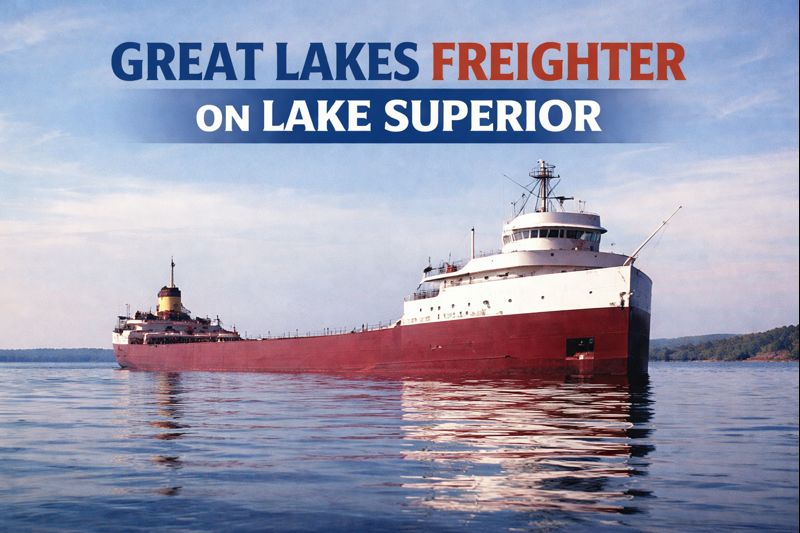
Lost at Sea: The SS Edmund Fitzgerald
Lake Superior, the largest freshwater lake by surface area, is as dangerous and unpredictable as the open ocean. On November 9, 1975, the SS Edmund Fitzgerald, fully loaded with taconite iron ore, left Superior, Wisconsin and never reached Detroit. Caught in a massive winter storm with 35-foot waves and 86 mph wind gusts, all 29 crew members were lost. Extreme cold and the lake’s depth have kept most bodies from surfacing, adding to the lake’s legend.
Read the full article on our website: Lost at Sea
Contaminants in Groundwater
Jackson, Wisconsin residents relying on private wells recently faced contamination after a fuel pipeline leaked over 54,000 gallons of gasoline, leaving some wells with benzene levels more than 43 times the federal safe limit. Groundwater can also be affected by natural substances like radon, uranium, arsenic, and chromium, as well as microorganisms from soil, vegetation, or animal waste.
While community water systems are tested and treated according to EPA standards, private well owners must ensure their water is safe. Awareness and testing are key to protecting your family from harmful contaminants.
Read the full article on our website: Contaminants in Groundwater
Fish Population Struggling after Chemical Treatments
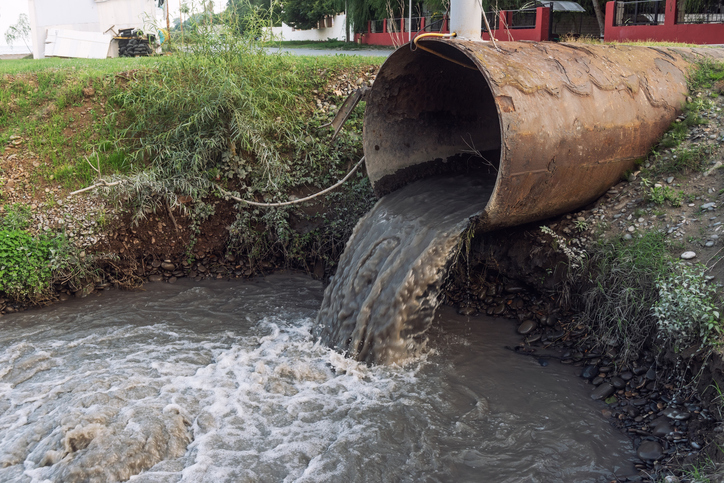
Hydrilla, an invasive aquatic plant, has caused massive problems in U.S. lakes, including Lake Pinehurst in North Carolina. Intensive herbicide treatments to eliminate hydrilla have also destroyed native vegetation, which is critical for fish habitat. The result? Stunted and unhealthy game fish due to a lack of forage fish and poor aquatic habitat.
Efforts to restore the lake now include restocking forage fish, feeding programs, and adding artificial habitats like submerged Christmas trees. While chemical treatments continue, locals hope for a more balanced approach that protects both recreation and the lake ecosystem.
Read the full article on our website: Fish Population Struggling after Chemical Treatments
Hidden Creek Vs. RELAC
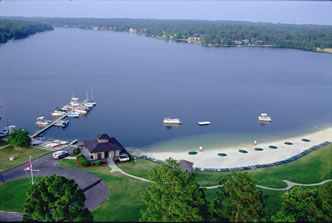
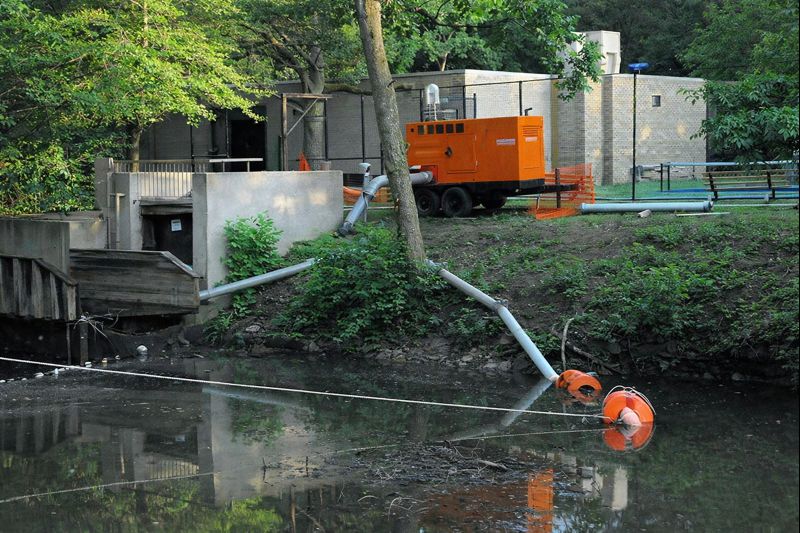
Lake Anne is the source of water for both RELAC, the chilled water air conditioning system serving 400 homes, and Hidden Creek Golf Course. This summer, low water levels have left four-foot muddy beaches, causing RELAC to add temporary pumps to keep homes cool.
Hidden Creek has the legal right to draw water for irrigation, but some residents wonder if alternative solutions, like greywater, could ease the strain. Both businesses rely on the lake, but balancing human and recreational needs is proving challenging.
Read the full article on our website: Hidden Creek Vs. RELAC
 Aquarius Systems