Category Archives: Uncategorized
A Little Boy Who Likes Frogs
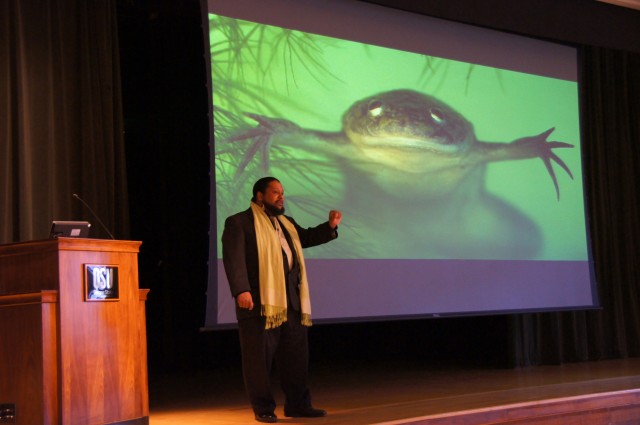
Dr. Tyrone Hayes, inspired by his childhood fascination with frogs, discovered that the widely used herbicide atrazine can feminize male frogs and disrupt hormone levels in wildlife. His research has made him an advocate for banning atrazine, which contaminates drinking water and affects ecosystems worldwide.
Read the full article on our website: A Little Boy Who Likes Frogs
Can Invasive Aquatic Plants Save the Florida Manatee?
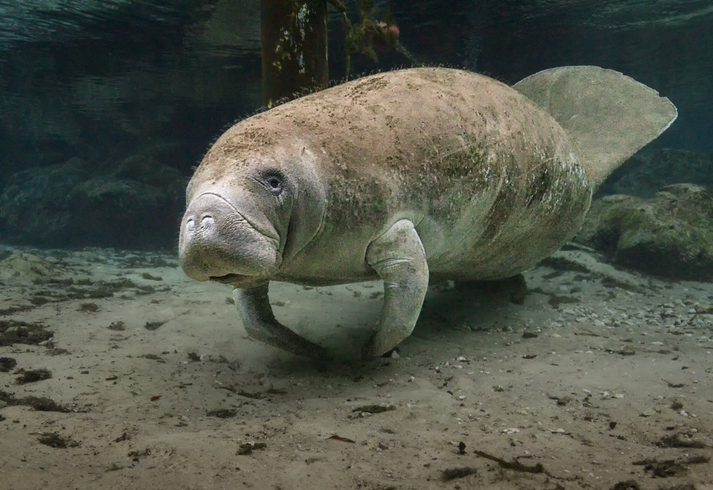
Florida manatees rely on seagrasses and freshwater vegetation for survival, but habitat loss, boat strikes, and algae blooms have devastated their populations. In Kings Bay, an innovative experiment is using water hyacinth in containment cages to filter nutrients and improve water clarity, helping to restore the environment and protect manatees.
Read the full article on our website: Kings Bay Restoration
Keeping Asian Carp out of Lake Michigan
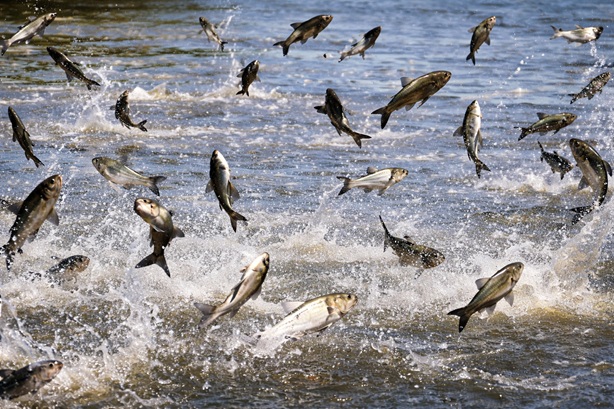
Asian carp, imported from China in the 1970s, escaped into U.S. rivers and threaten the Great Lakes ecosystem. These large, fast-growing fish disrupt the food chain and could devastate fisheries. DNA from Asian carp was found in Lake Michigan waters in 2013, and reports show they are approaching the lake despite electronic barriers. Proposed solutions include physical separation, locks, and chemical treatments, but cost and time remain major hurdles. Experts say just 10 male and 10 female carp could establish a reproducing population.
Read the full article on our website: Keeping Asian Carp out of Lake Michigan
Ice Puts Global Warming Under Fire
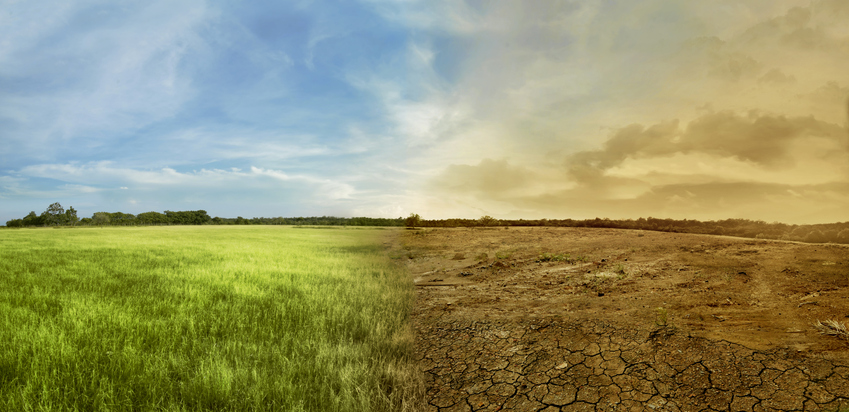
This winter, skeptics of global warming have plenty to question as extreme cold grips parts of the world. Global warming refers to rising surface temperatures, while climate change encompasses global warming plus its broader impacts—sea-level rise, changing weather patterns, and more. Misunderstandings often arise because the terms are used interchangeably, fueling debate among the uninformed and informed alike.
Read the full article on our website: Global Warming vs Climate Change
From the Atlantic to the Great Lakes: The Erie Canal
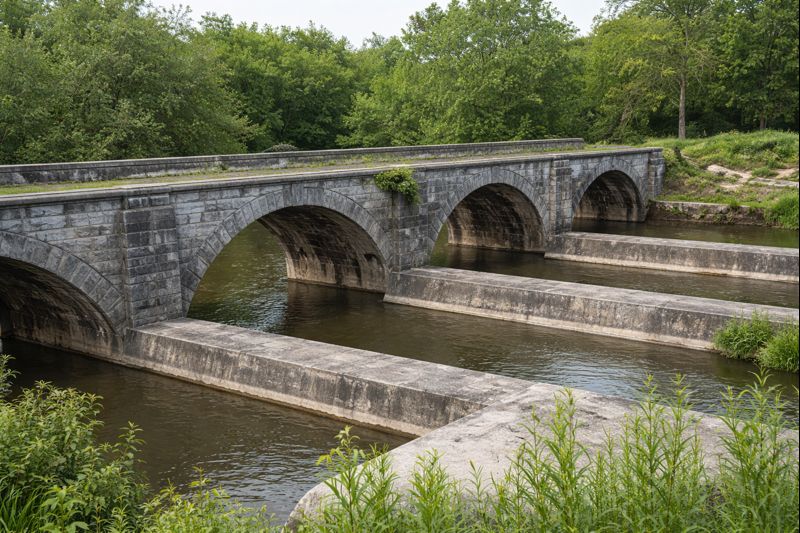
Construction of the Erie Canal began on July 4, 1817, to connect the Hudson River to Lake Erie and open the west to settlers. Using advanced Dutch engineering, human and animal power, and hundreds of skilled masons, the canal featured 18 aqueducts and 83 locks. Completed in 1825, it carried boats with 30 tons of freight and spurred westward expansion, making New York the nation’s busiest port within 15 years.
Read the full article on our website: From the Atlantic to the Great Lakes: The Erie Canal
The Aquarius Systems Titan Series® Trash Skimmer
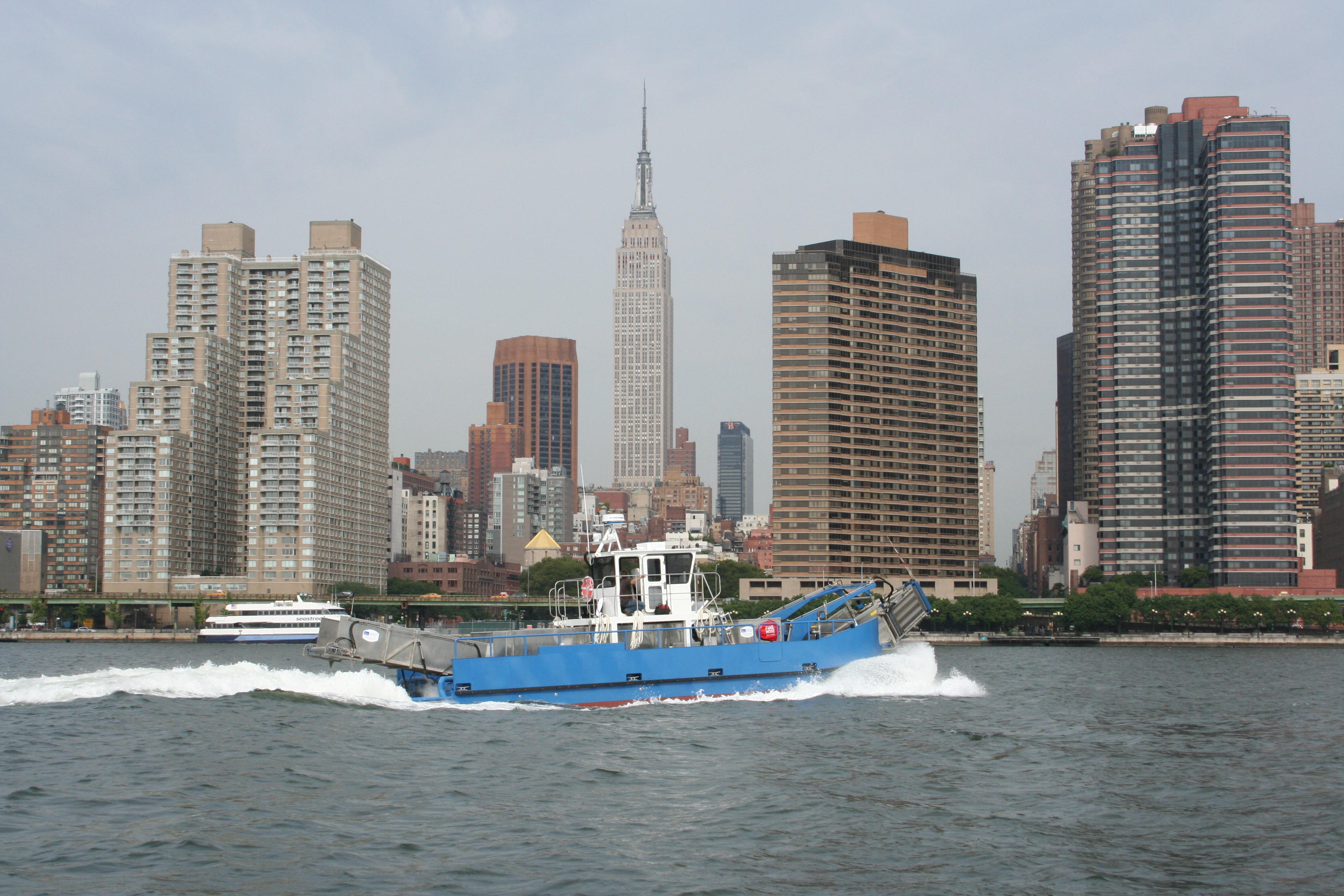
Seeing our Titan Series® Trash Skimmer in action is breathtaking, especially against the giant backdrop of Brooklyn. Specially designed for the New York City Department of Environmental Protection, this marine debris skimmer is built to handle Sea State 4 conditions and is ideal for ports, harbors, and coastal areas prone to harsh elements.
Read the full article on our website: The Aquarius Systems Titan Series® Trash Skimmer
Marine Debris in Your Backyard: Great Lakes
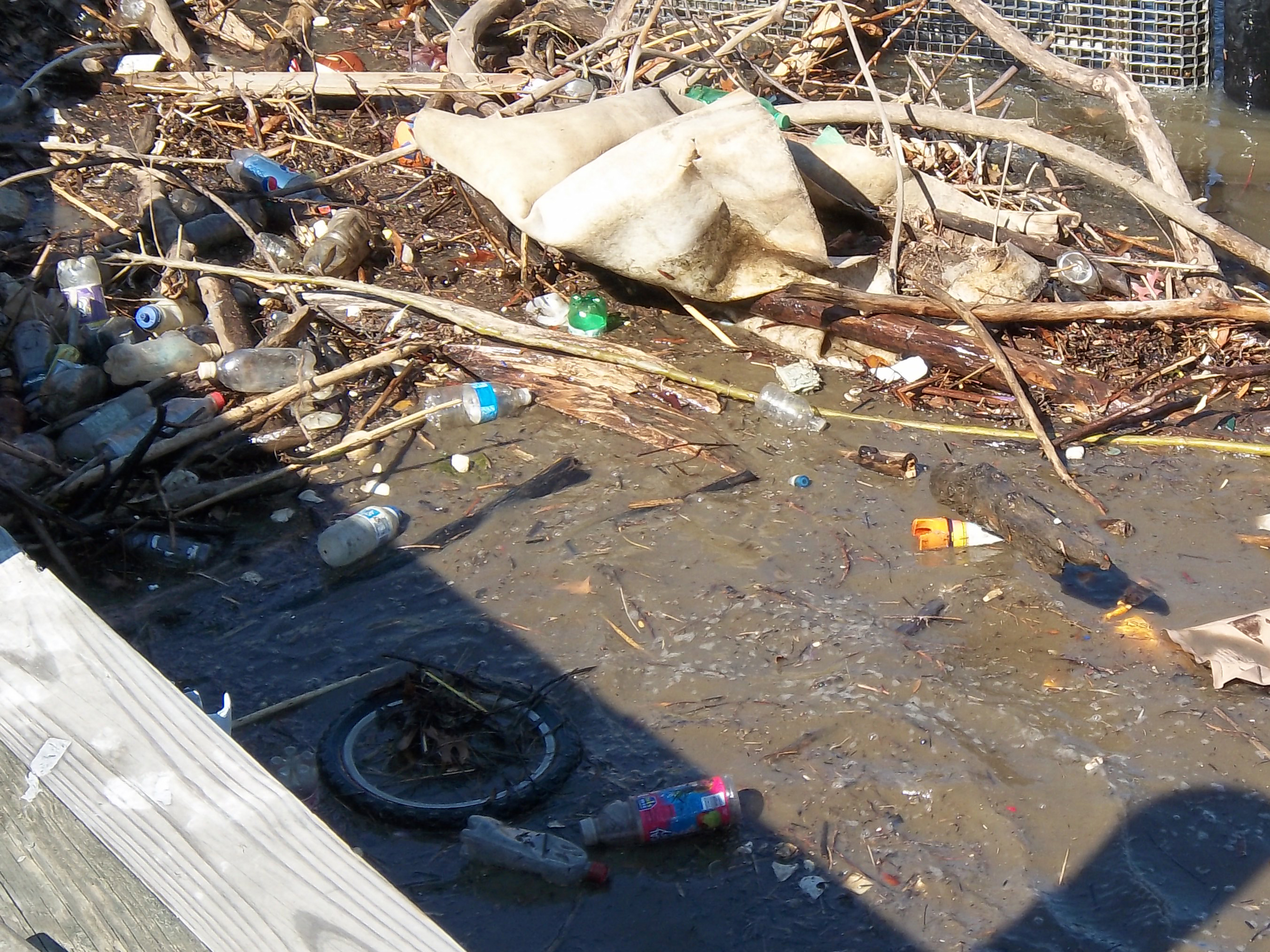
The Great Lakes are a central part of life in Southeastern Wisconsin, providing beaches, recreation, and community events. Unfortunately, pollution and marine debris threaten these inland waterways, impacting wildlife, water quality, and the enjoyment of these vital resources.
Read the full article on our website: Marine Debris in Your Backyard: Great Lakes
Is Alaska Ready for the Next Wave of Debris
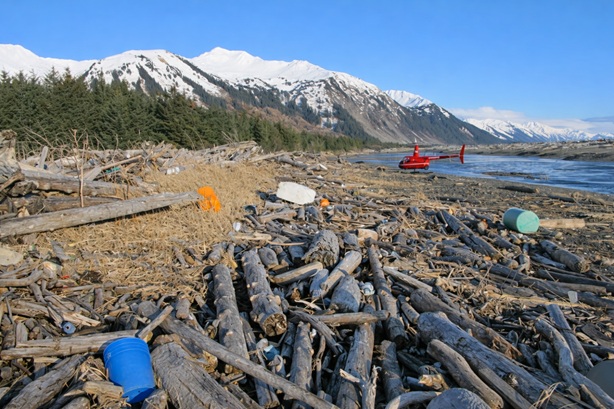
Nearly two years after the Japanese tsunami, debris such as refrigerators, foam buoys, and ketchup bottles are piling up on Alaska’s beaches. Foam pieces, some smaller than packing peanuts, are scattered across the coastline, posing risks to wildlife and the environment. Birds, rodents, and even bears are ingesting the debris, and chemicals from petroleum containers are a growing concern. Aerial surveys show the problem is more widespread than expected, highlighting the challenge of keeping Alaska’s coastline clean.
Read the full article on our website: Is Alaska Ready for the Next Wave of Debris
A Beautiful Threat
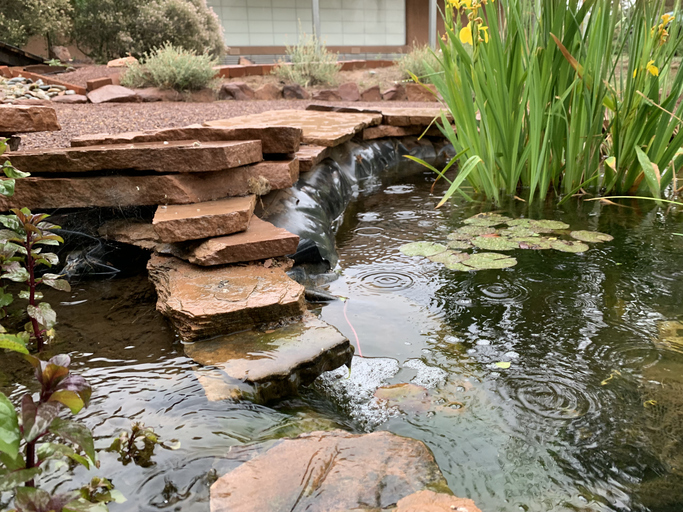
Backyard and business water gardens may look peaceful, but they can harbor trouble for mid-Atlantic ecosystems. The popularity of water gardening has helped aquatic invasive species spread, displacing native plants and harming local habitats. Many invasive plants grow in dense stands with few natural predators, disrupting the balance of the ecosystem.
Read the full article on our website: A Beautiful Threat
Mechanical Harvesting an Economical Choice
Aquatic vegetation can hurt water quality, recreation, tourism, property values, and communities financially. Mechanical harvesting may seem expensive upfront, but over a 10–30 year lifetime, it’s highly cost-effective. Harvesters use little fuel, require minimal maintenance, and even have resale value. Properly maintained equipment can last decades, making mechanical harvesting a smart long-term investment.
Read the full article on our website: Mechanical Harvesting an Economical Choice

This 30 year old Aquatic Plant Harvester is still operational and in use.
 Aquarius Systems