Category Archives: Uncategorized
Fate of Upper Spring Lake in Court
A dispute over Upper Spring Lake in Palmyra, Wisconsin, is back in court. After rebuilding a $1 million dam, the owners are now facing questions about water levels and property boundaries with the DNR, which claims the higher water level floods state land.
Read the full article on our website: Fate of Upper Spring Lake in Court

Innovative Weaponry in the Fight Against AIS
New technology is being used to fight invasive species. The Guardian LF1 robot stuns and captures lionfish, while the Magna Carpa boat uses electric currents to collect invasive Asian carp, which are later turned into fertilizer.
Read the full article on our website: Innovative Weaponry in the Fight Against AIS

To Salt or Not to Salt
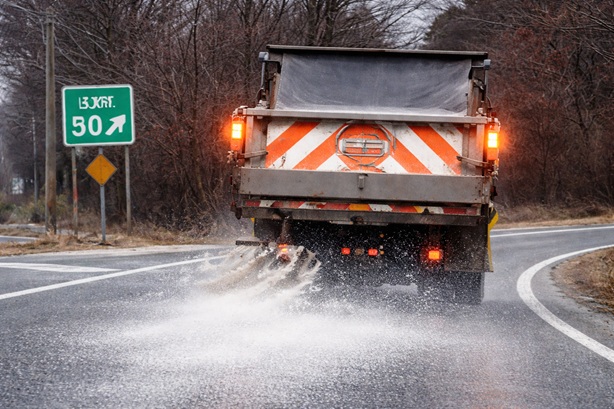
After Portland’s first snowstorm left roads frozen and traffic snarled for hours, city officials are reconsidering their stance on using road salt. While salt helps melt ice and improve safety, it can also corrode infrastructure and harm the environment. In Minnesota, chloride levels in many lakes and rivers now exceed safe standards — and just one teaspoon of road salt can permanently pollute five gallons of water.
Read the full article on our website: To Salt or Not to Salt
Drought Disasters Around the World
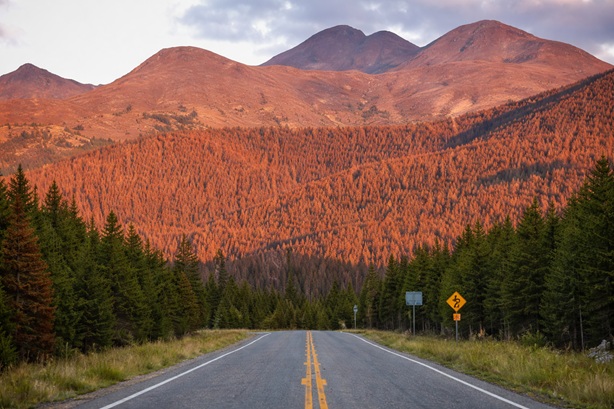
Drought is taking a toll across the globe. In California, over 100 million trees have died. Farmers in Tennessee and Georgia are struggling as pastures dry up. Peru is facing its worst drought in 50 years, sparking wildfires across protected lands. In Africa, drought has left hundreds of thousands facing famine in Madagascar and severe crop losses in Zimbabwe and Somalia.
Read the full article on our website: Drought Disasters Around the World
Dead Zone Grows in Gulf of Mexico
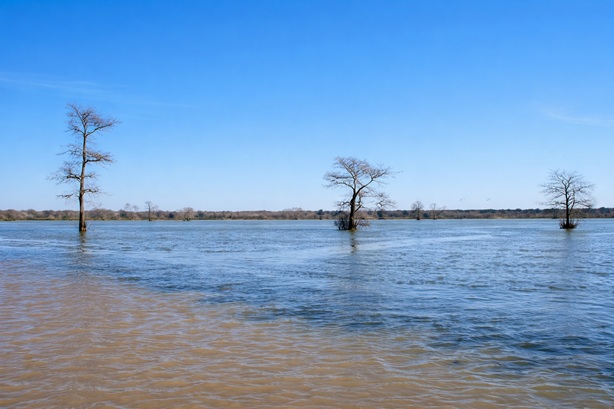
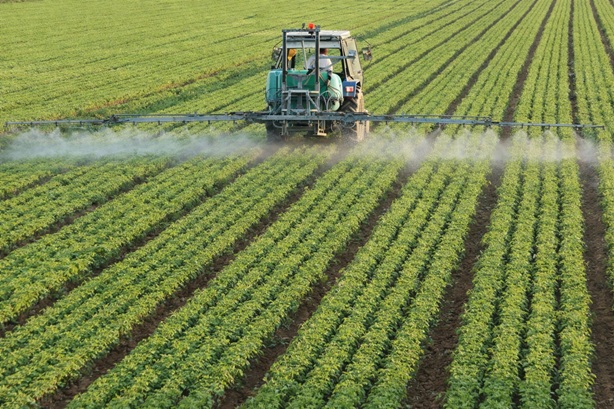
The Gulf’s dead zone now covers an estimated 6,474 square miles, unable to support marine life. Nutrient runoff—especially nitrogen and phosphorus from agriculture—is the main cause. Cornfields for ethanol production contribute heavily, and flooding spreads the pollutants. The dead zone costs the U.S. seafood and tourism industries an estimated $82 million annually.
Read the full article on our website: Dead Zone Grows in Gulf of Mexico
Water Quality Month

The EPA reports that 40% of U.S. waterways suffer from water quality problems. Stormwater runoff from rooftops, pavement, and yards carries pollutants like oil, pet waste, fertilizers, and pesticides into local streams, rivers, and the ocean. Simple actions—like using non-toxic products and properly disposing of medications—can help protect local water quality.
Read the full article on our website: Water Quality Month
Turning Phosphorus in Wastewater into Fertilizer
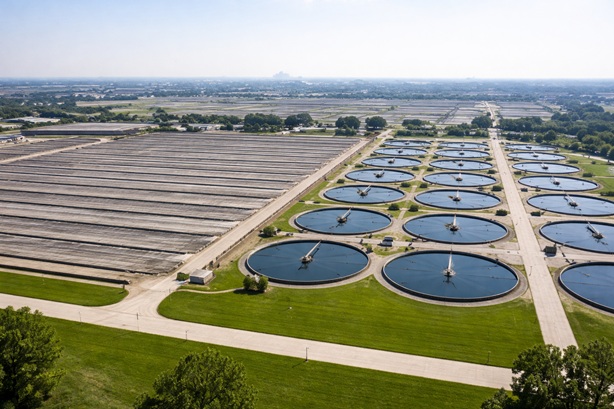
Chicago’s Stickney Water Reclamation Plant is reducing its phosphorus pollution by turning wastewater into nutrient-rich fertilizer “pearls.” This $31 million project could produce up to 10,000 tons of slow-release fertilizer annually and cut phosphorus discharges by 30%.
Read the full article on our website: Turning Phosphorus in Wastewater into Fertilizer
Making Energy from Marine Debris
Derelict fishing gear threatens marine wildlife, but the Fishing for Energy program turns this problem into a solution. Fishermen can dispose of old gear at no cost, and collected materials are recycled or converted into energy, keeping over 3 million pounds of debris out of the ocean.
Read the full article on our website: Making Energy from Marine Debris
Fertilizer Use Creates Toxic Cocktail
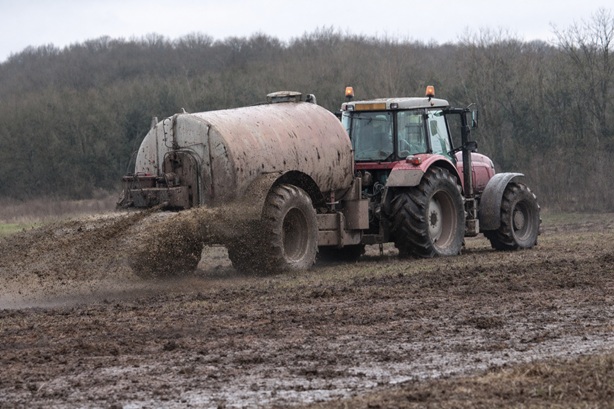
Excessive fertilizer and manure applications are contaminating Wisconsin’s groundwater and contributing to harmful algae growth in lakes and streams. Nitrate pollution affects drinking water safety, posing risks to infants, pregnant women, and adults over time.
Read the full article on our website: Fertilizer Use Creates Toxic Cocktail
 Aquarius Systems