Category Archives: Uncategorized
Keeping Our Waterways Weed Free
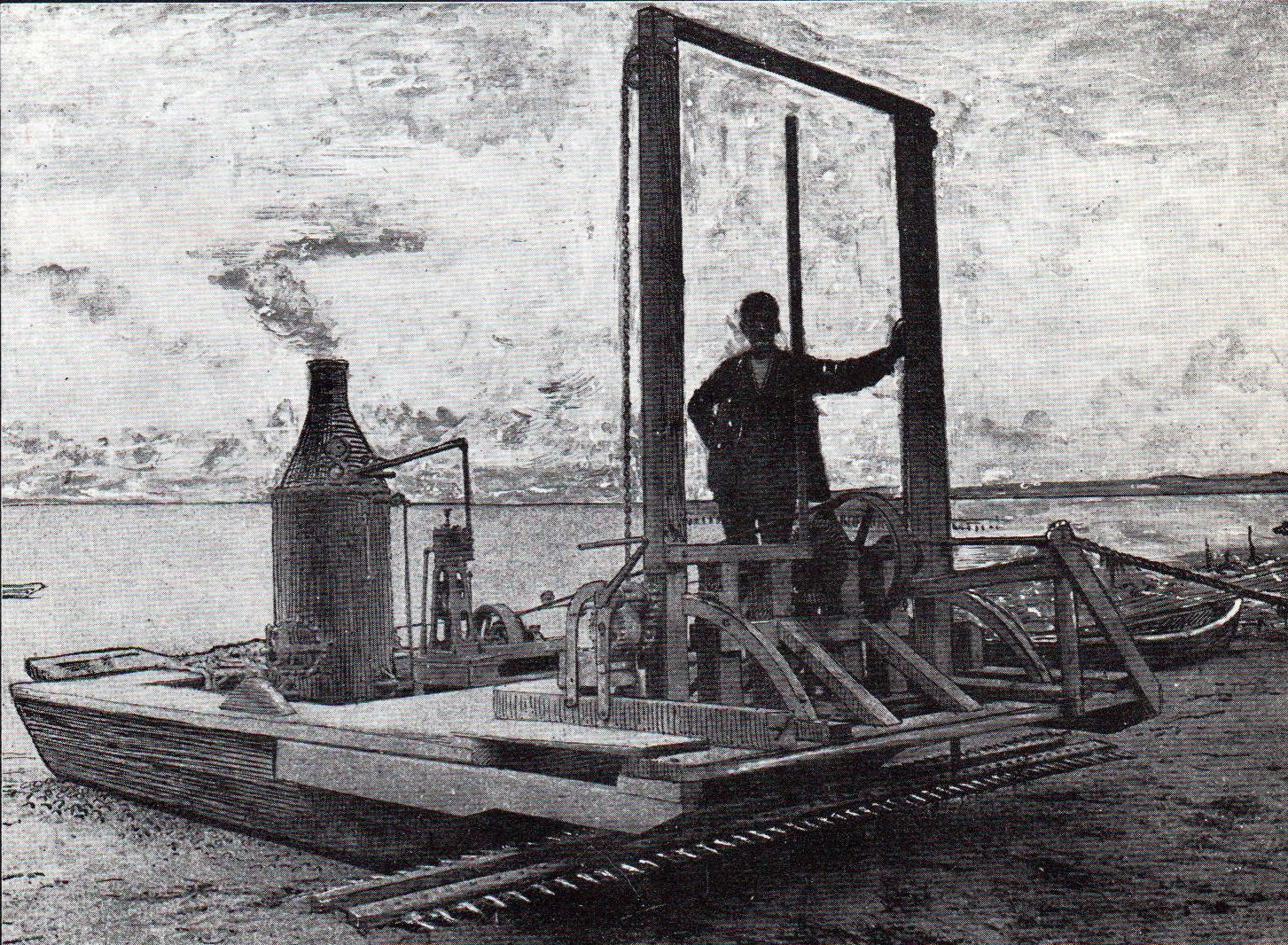
Aquatic weeds have been a challenge for centuries, from manual clearing to the invention of early cutter boats in the 1900s. Today, modern Aquarius Systems weed harvesters act like underwater lawn mowers, cutting and collecting vegetation efficiently while minimizing environmental impact.
Mechanical harvesting removes nutrients, reduces sedimentation, and keeps waterways safe and usable — all without the restrictions of chemicals or herbicides. With ongoing innovation, aquatic weed harvesters continue to evolve to meet the growing global need for healthy, navigable waterways.
Read the full article on our website: Keeping Our Waterways Weed Free
Seaweeds or Sea Vegetables?
When we think of “seaweed” many imagine an unwanted plant, but in other parts of the world, it’s considered a valuable sea vegetable. From sushi rolls to shampoos, aquatic plants are part of everyday life and industry.
Across Asia and coastal Alaska, sea vegetables like nori, wakame, and rockweed are prized for their nutritional and commercial value. Some are even farmed for export or used in products like ice cream, toothpaste and fertilizer.
For over 60 years Aquarius Systems has built equipment to cut and harvest aquatic plants; sometimes to clear waterways, and other times to help collect valuable resources like kelp and rockweed.
Read the full article on our website: Seaweeds or Sea Vegetables?

Toxic Blue-Green Algae
Blue-green algae (cyanobacteria) are naturally present in lakes and streams but can form harmful blooms in warm, nutrient-rich waters. Some produce toxins that can affect humans, pets, and livestock, causing symptoms ranging from skin irritation to serious illness.
These blooms also disrupt ecosystems by reducing oxygen, blocking sunlight, and impacting fish populations, making them a serious concern for water quality and aquatic habitats.
Read the full article on our website: Toxic Blue-Green Algae

EPA Funds to Revitalize U.S. Urban Waters
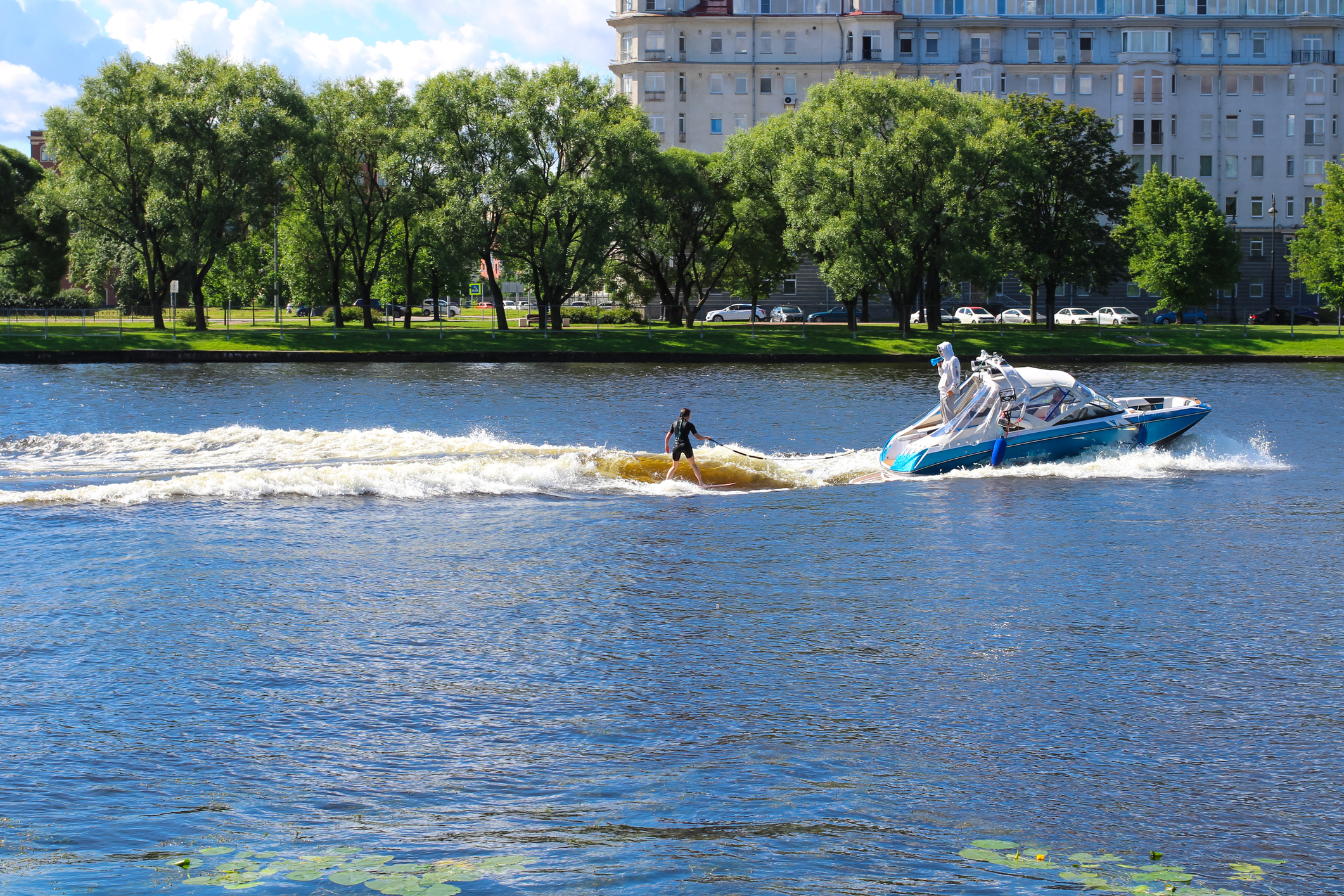
The U.S. EPA is providing nearly $2 million in grants to improve water quality and support community revitalization in urban waterways across the country. The funding supports projects such as water quality monitoring, public education, green infrastructure training, and local watershed planning.
These initiatives help communities restore waterways, promote environmental justice, and create social and economic opportunities, while encouraging residents to actively participate in protecting and improving urban water systems.
Read the full article on our website: EPA to Provide Nearly $2 Million to Revitalize U.S. Urban Waters
Aquatic Weed Harvesting Success in Malawi

Floating aquatic weeds caused major problems for Malawi’s hydroelectric plants, blocking intakes and causing millions in repair costs. To address the issue, Aquarius Systems introduced a mechanical weed management system, including a Swamp Devil™ shredder, weed harvester, and shore conveyor.
The project has eliminated plant shutdowns, improved hydro station efficiency, and created local jobs. Harvested weeds are also repurposed as fertilizer, benefiting nearby farmers while helping control invasive vegetation naturally.
Read the full article on our website: Aquatic Weed Harvesting Success in Malawi
The Nuisance Zebra Mussels
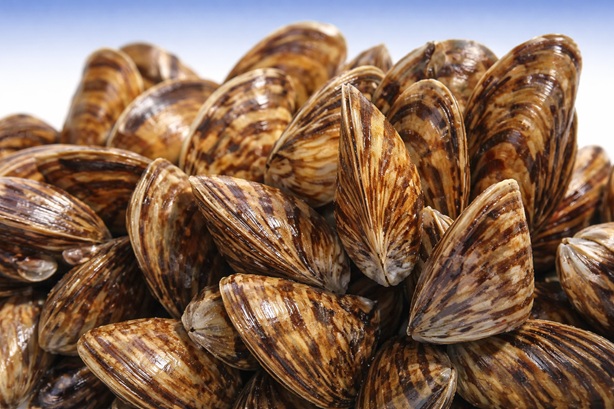
Zebra mussels are small freshwater invaders rapidly spreading across North American lakes. While they filter water, their activity can starve small fish, allowing invasive plants like milfoil to thrive, and making weed harvesters increasingly necessary.
These mussels also impact recreation and industry: they tangle propellers, hinder boating and swimming, and clog industrial water systems, costing billions in maintenance.
Understanding zebra mussels helps communities protect ecosystems, recreation, and infrastructure from their harmful effects.
Read the full article on our website: Zebra Mussels: A Growing Threat
The Weeds at River Walk
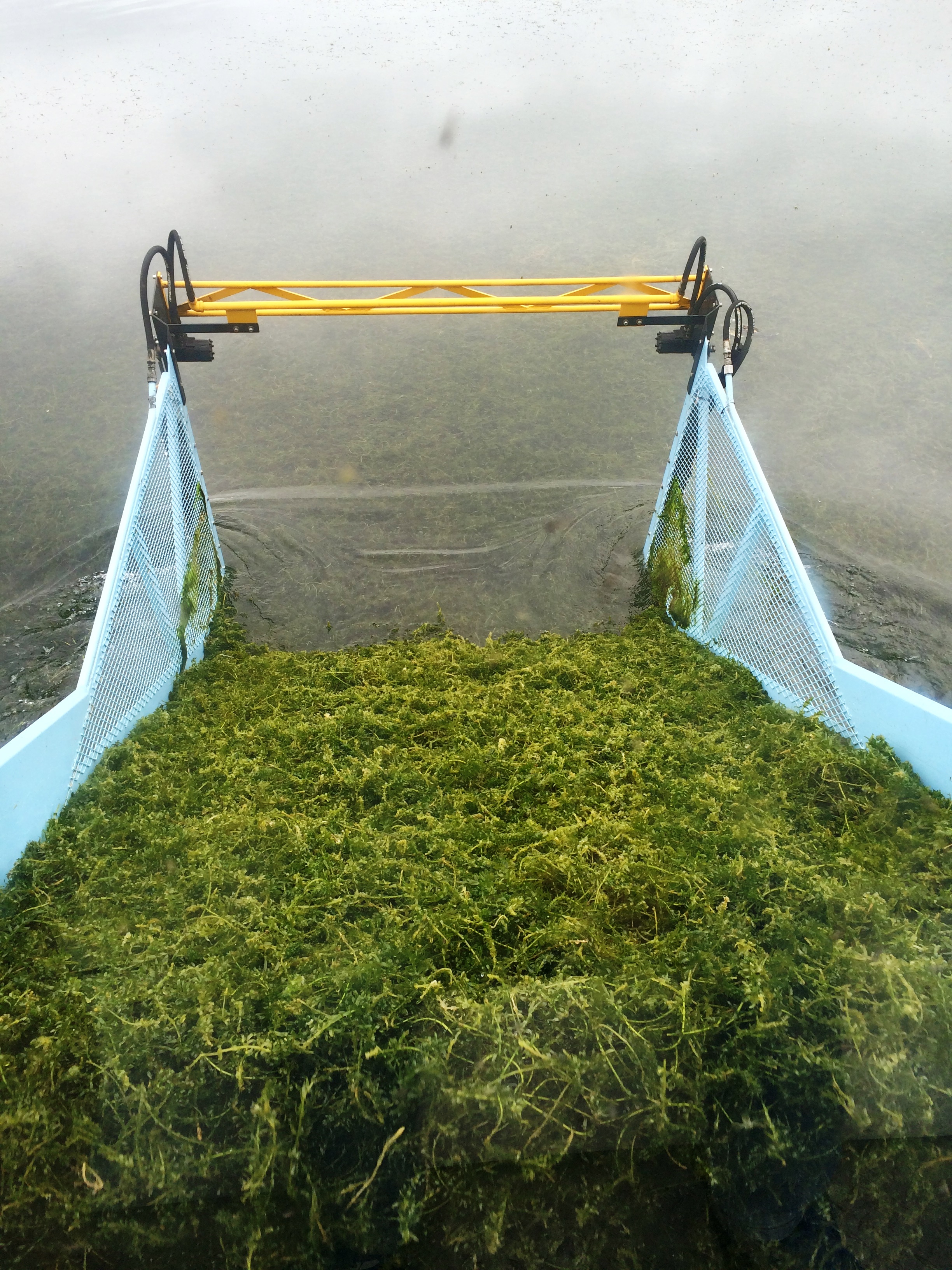
At Bakersfield’s River Walk, an aquatic weed harvester works like an underwater lawn mower, cutting and collecting weeds before they reach the surface. The harvested plants are transported to shore, where they are removed and disposed of responsibly.
This mechanical approach reduces the need for chemicals, protecting groundwater and saving costs compared to traditional herbicide treatments. The harvester’s efficiency keeps the waterways safe and accessible for everyone.
Read the full article on our website: The Weeds at River Walk
A Success Story – Lake Minnewawa Weed Harvesting
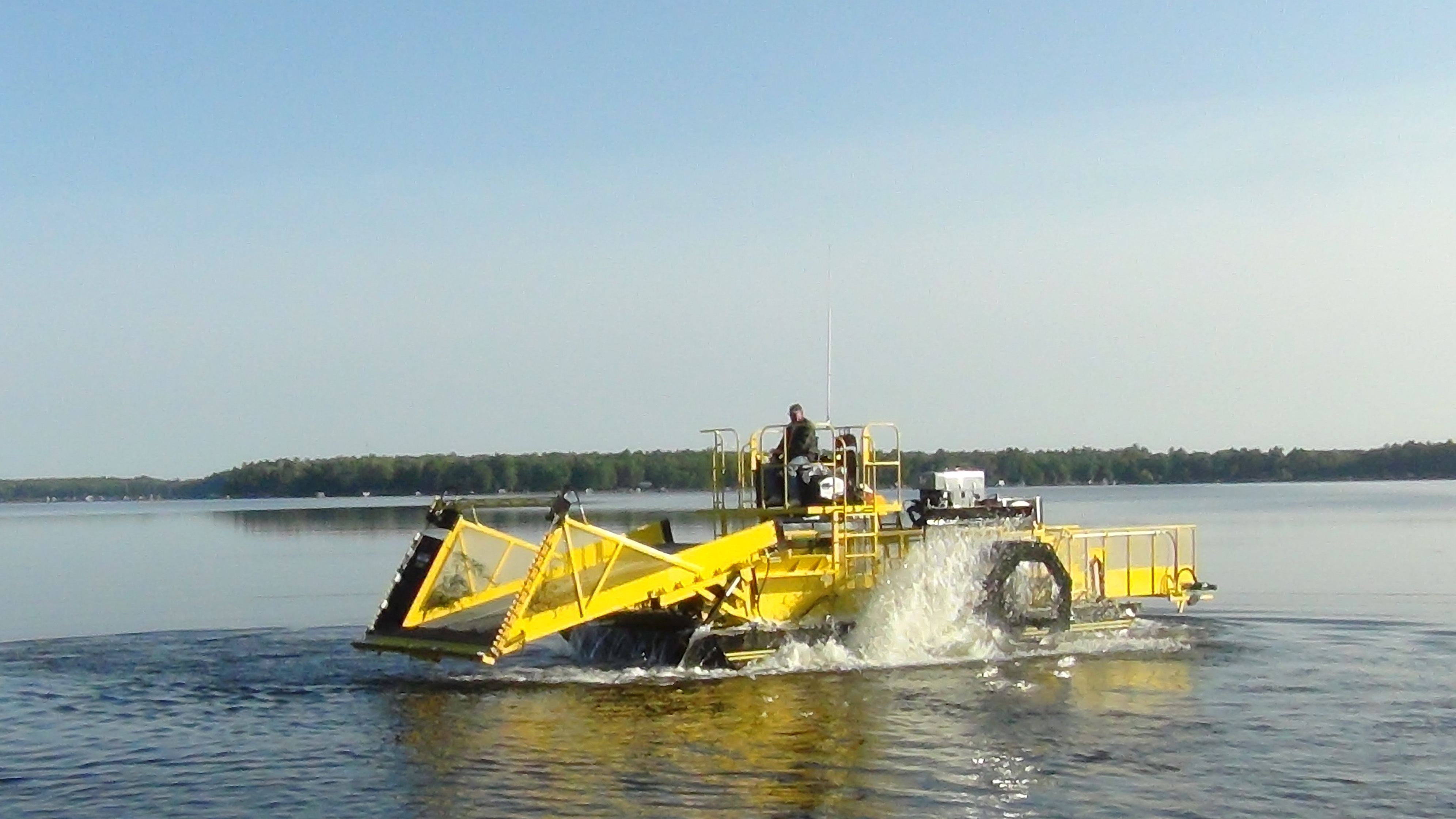
In the 1970s, Lake Minnewawa was overrun with weeds, making boating and water quality a challenge. In response, local residents formed the Save Minnewawa Association and eventually purchased an Aquarius Systems weed harvester.
Operating several months each year, the harvester clears invasive vegetation, improves water clarity, and removes excess phosphorous — reducing algae growth and supporting a healthier ecosystem. The project is funded by memberships, donations, and volunteer work, not state funds, making it a true community effort.
Thanks to years of consistent harvesting, the lake has seen significant improvements in water quality and usability, proving the value of mechanical weed management over chemical alternatives.
Read the full article on our website: Lake Minnewawa Weed Harvesting Success Story
Milfoil — Beating back the invader
Along the Columbia River, milfoil, an invasive aquatic weed, can make boating and recreation difficult. Park maintenance crews use a milfoil harvester, which cuts and collects the plants, keeping waterways clear and safe for visitors.
Once harvested, the milfoil is taken to compost piles, where it naturally breaks down, providing an eco-friendly solution for managing invasive plants. This method helps maintain the river environment while ensuring parks remain accessible and enjoyable.
Snowstorms Triple Trash in Anacostia River
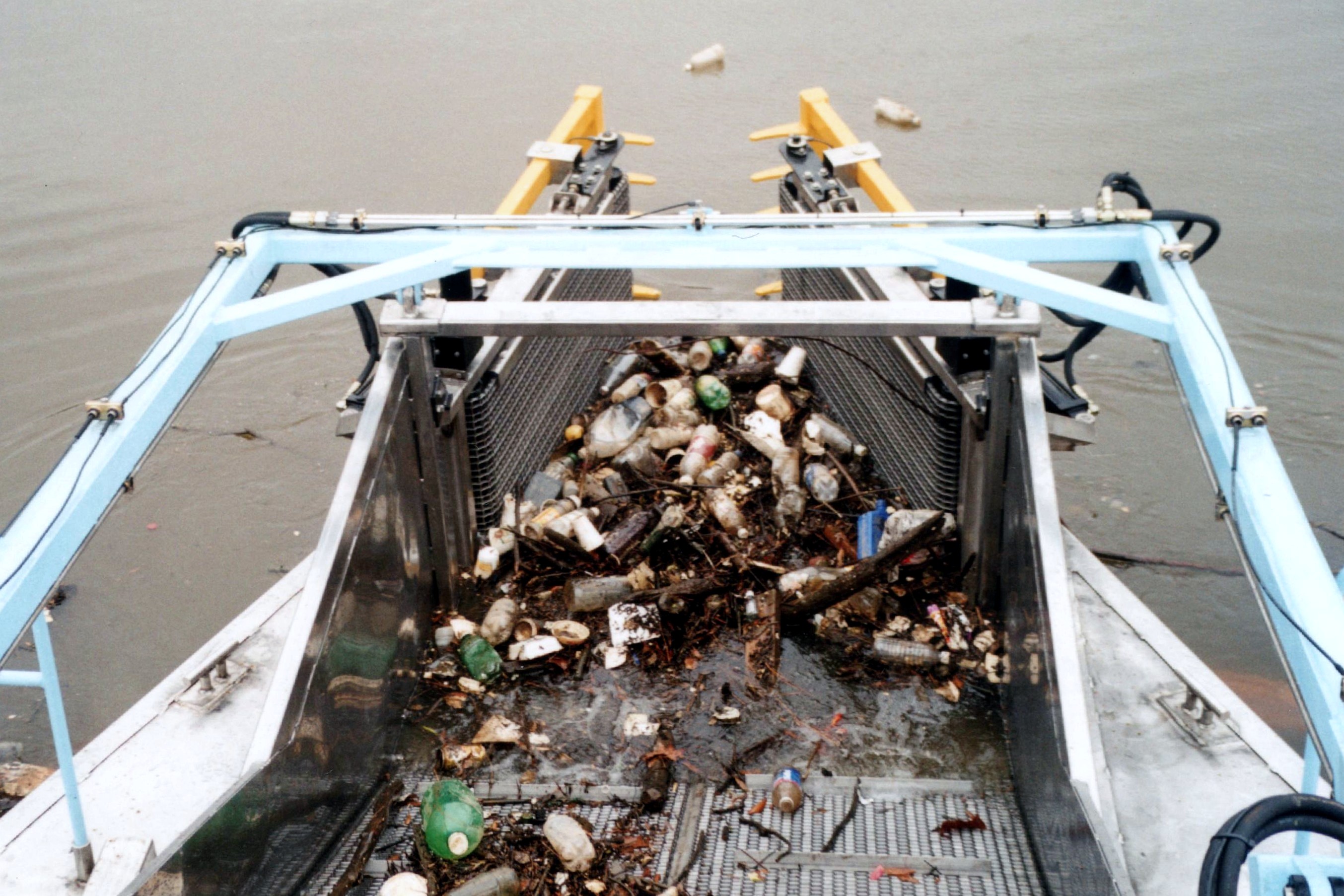
Following a series of heavy snowstorms, the Anacostia River saw a surge in debris — nearly three times the usual amount collected by D.C.’s Water and Sewer Authority. Crews work year-round to remove hundreds of tons of trash from the water, but winter runoff can make the problem worse.
Efforts like D.C.’s bag tax and community cleanup programs aim to reduce the amount of plastic and litter entering the river, protecting local waterways and wildlife.
Read the full article on our website: Snowstorms Triple Trash in Anacostia River
 Aquarius Systems