Author Archives: Aquarius Systems
Contaminants in Groundwater
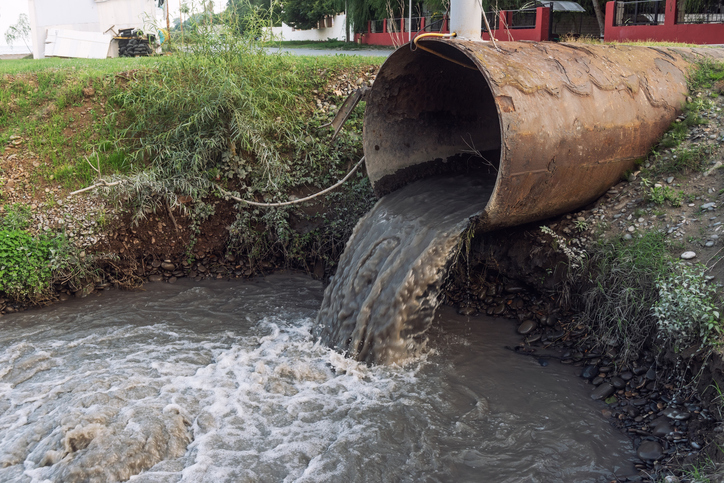
Jackson, Wisconsin residents relying on private wells recently faced contamination after a fuel pipeline leaked over 54,000 gallons of gasoline, leaving some wells with benzene levels more than 43 times the federal safe limit. Groundwater can also be affected by natural substances like radon, uranium, arsenic, and chromium, as well as microorganisms from soil, vegetation, or animal waste.
While community water systems are tested and treated according to EPA standards, private well owners must ensure their water is safe. Awareness and testing are key to protecting your family from harmful contaminants.
Read the full article on our website: Contaminants in Groundwater
Fish Population Struggling after Chemical Treatments
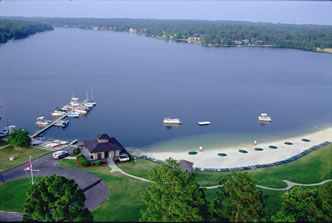
Hydrilla, an invasive aquatic plant, has caused massive problems in U.S. lakes, including Lake Pinehurst in North Carolina. Intensive herbicide treatments to eliminate hydrilla have also destroyed native vegetation, which is critical for fish habitat. The result? Stunted and unhealthy game fish due to a lack of forage fish and poor aquatic habitat.
Efforts to restore the lake now include restocking forage fish, feeding programs, and adding artificial habitats like submerged Christmas trees. While chemical treatments continue, locals hope for a more balanced approach that protects both recreation and the lake ecosystem.
Read the full article on our website: Fish Population Struggling after Chemical Treatments
Hidden Creek Vs. RELAC
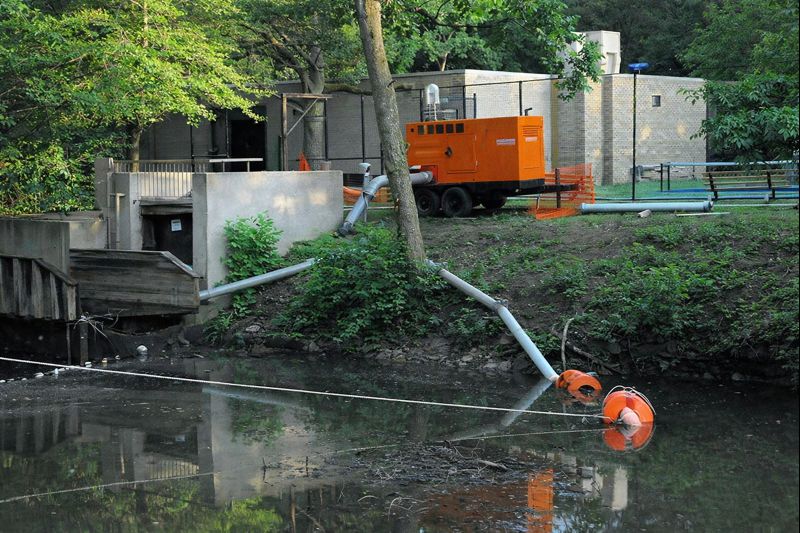
Lake Anne is the source of water for both RELAC, the chilled water air conditioning system serving 400 homes, and Hidden Creek Golf Course. This summer, low water levels have left four-foot muddy beaches, causing RELAC to add temporary pumps to keep homes cool.
Hidden Creek has the legal right to draw water for irrigation, but some residents wonder if alternative solutions, like greywater, could ease the strain. Both businesses rely on the lake, but balancing human and recreational needs is proving challenging.
Read the full article on our website: Hidden Creek Vs. RELAC
Hot Tips for a Cool Summer
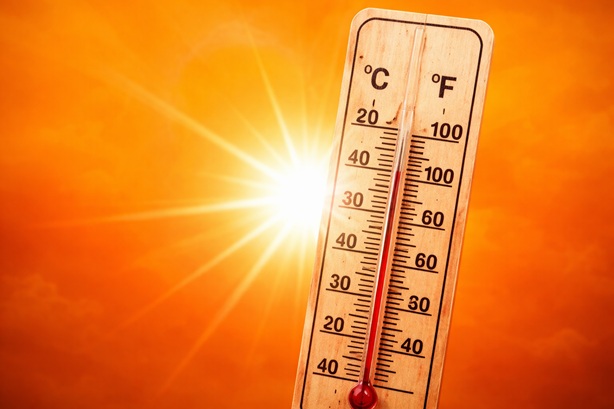
Summer is the perfect time to enjoy the outdoors—but it’s also a great opportunity to save money, reduce energy use, and protect your health. The EPA offers simple, practical tips to help you do all three.
A few highlights:
Lower cooling costs by raising your thermostat slightly and using ceiling fans. Save fuel by reducing idling, driving smoothly, and lightening your load. Protect your health with sun-safe habits, insect repellents, and clean indoor air. Use water wisely by watering lawns in the morning and avoiding midday waste. Reduce waste through recycling, composting, and smarter product choices.
Small changes can add up to big benefits—for your wallet, your home, and the environment.
Read the full article on our website: Hot Tips for a Cool Summer
The Overuse and Misuse of Pesticides
Pesticide resistance is a growing problem in agriculture, costing billions of dollars in crop losses and chemical use. Known as the “pesticide treadmill,” repeated use of the same chemical leads pests, weeds, and plant pathogens to develop resistance, requiring even more pesticide.
Examples include mosquitoes resistant to malaria-control pesticides, pigweed resistant to Roundup, and hydrilla no longer controlled by its preferred herbicide.
How to apply pesticides responsibly:
- Use mechanical methods and natural products first
- Apply chemicals only as a last resort and in targeted spot treatments
- Use pesticides labeled for the specific pest
- Rotate among different chemical types to prevent resistance
- Choose pest-tolerant plants and remove debris to reduce pest habitats
- Follow mixing and application instructions carefully
Read the full article: The Overuse and Misuse of Pesticides
June is Invasive Species Month in Wisconsin
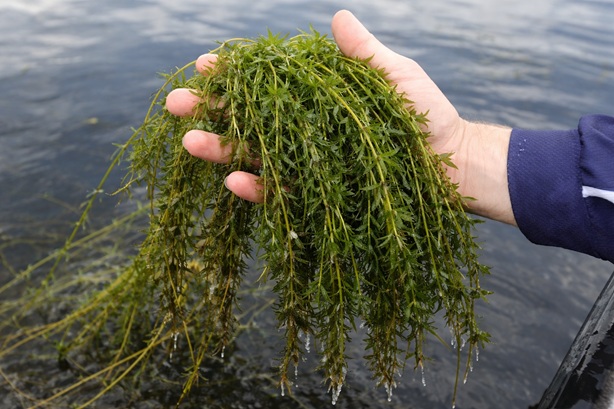
Invasive species are non-native plants, animals, or insects that can damage ecosystems because they lack natural predators. Wisconsin’s NR40 rule helps residents identify, prevent, and control invasives like Eurasian watermilfoil, northern snakehead, and round goby.
The DNR emphasizes five best practices for landowners and visitors:
-
Prevention – Inspect clothing and gear, avoid known infested areas, clean equipment, and plant only native species.
-
Early Detection & Rapid Response – Report sightings quickly to reduce spread.
-
Containment & Removal – Use integrated pest management to slow and remove invaders.
-
Monitoring – Regularly check affected areas to catch return infestations.
-
Restoration – Rehabilitate affected sites to help ecosystems recover.
Everyone in Wisconsin—residents, landowners, and outdoor enthusiasts—plays a role in keeping ecosystems healthy by following these steps.
Learn more about Wisconsin’s invasive species and reporting: DNR Invasive Species
World Environment Day 2012

World Environment Day (WED), celebrated annually on June 5th, was established by the United Nations in 1972 to promote environmental awareness and sustainable living. This year’s theme, “Green Economy: Does it Include You?”, encourages global action for a more sustainable way of doing business.
There are many ways to participate, from planting trees, organizing clean-ups, joining environmental groups, to promoting recycling and education. Every small action helps protect the planet and inspires others to do the same.
Read the full article and see ways to celebrate: World Environment Day Alphabet
Aquatic Invasive Species: Hydrilla
Hydrilla, native to Africa, has become a widespread invasive aquatic plant in U.S. waters. It forms dense mats that interfere with recreation and harm fish and wildlife habitats. Hydrilla spreads easily via seeds and fragments, making control challenging.
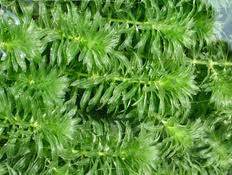
Management methods include:
Biological: Grass carp consume hydrilla but may also eat native plants.
Chemical: Herbicides are effective but can cause oxygen depletion and resistance.
Physical: Hand pulling, drawdowns, and aeration are labor-intensive.
Mechanical: Aquatic weed harvesters cut and remove hydrilla, providing immediate, environmentally friendly results while preventing nutrient buildup.
Read the full article on our website: Hydrilla Control
Celebrate Earth Day and Raise your Environmental Consciousness

Earth Day, inspired by Gaylord Nelson in 1970, highlights the importance of protecting our air, water, and natural resources. You can make a difference by taking small, everyday actions:
- Plant a tree or start a garden to improve air quality and reduce your carbon footprint.
- Pick up litter to help clean your community.
- Conserve energy and water by using microwaves, taking shorter showers, or leaving the car at home.
- Recycle and compost to reduce waste and create healthy soil.
- Support environmental organizations through donations or volunteering.
Simple, conscious actions collectively make a big impact on the environment.
Read the full article on our website: Celebrate Earth Day
Algae to Fuel your Automobile
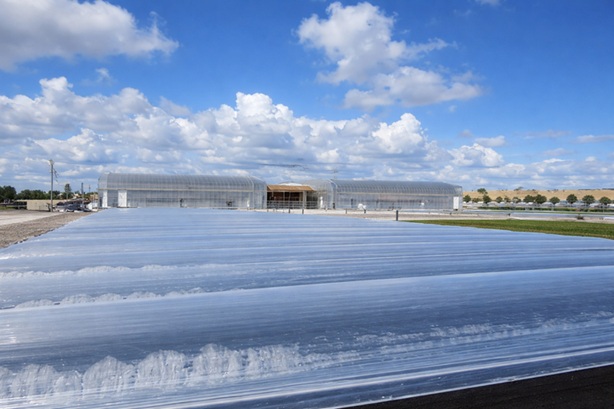
Algenol Biofuels in Florida produces ethanol from algae, using sunlight, CO₂, and saltwater. Unlike harmful algae blooms in lakes, the algae for ethanol is grown in controlled, sealed systems, allowing efficient fuel production without using freshwater or prime farmland.
This process not only creates renewable fuel but also recycles CO₂, reducing greenhouse gas emissions. While challenges remain for large-scale adoption, algae-based ethanol shows promise as a sustainable alternative energy source.
Read the full article on our website: Algae to Fuel Your Automobile
 Aquarius Systems