Author Archives: Aquarius Systems
Water Quality Month

The EPA reports that 40% of U.S. waterways suffer from water quality problems. Stormwater runoff from rooftops, pavement, and yards carries pollutants like oil, pet waste, fertilizers, and pesticides into local streams, rivers, and the ocean. Simple actions—like using non-toxic products and properly disposing of medications—can help protect local water quality.
Read the full article on our website: Water Quality Month
Turning Phosphorus in Wastewater into Fertilizer
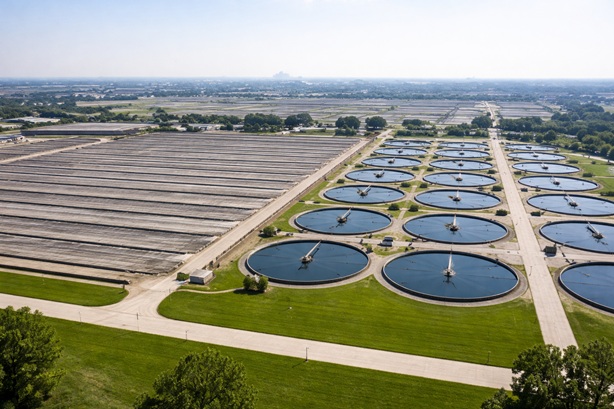
Chicago’s Stickney Water Reclamation Plant is reducing its phosphorus pollution by turning wastewater into nutrient-rich fertilizer “pearls.” This $31 million project could produce up to 10,000 tons of slow-release fertilizer annually and cut phosphorus discharges by 30%.
Read the full article on our website: Turning Phosphorus in Wastewater into Fertilizer
Making Energy from Marine Debris
Derelict fishing gear threatens marine wildlife, but the Fishing for Energy program turns this problem into a solution. Fishermen can dispose of old gear at no cost, and collected materials are recycled or converted into energy, keeping over 3 million pounds of debris out of the ocean.
Read the full article on our website: Making Energy from Marine Debris
Fertilizer Use Creates Toxic Cocktail
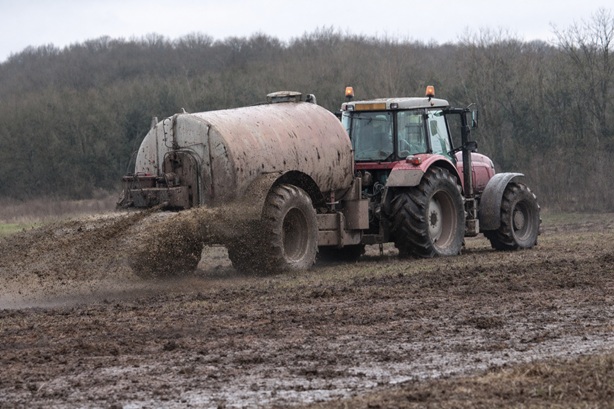
Excessive fertilizer and manure applications are contaminating Wisconsin’s groundwater and contributing to harmful algae growth in lakes and streams. Nitrate pollution affects drinking water safety, posing risks to infants, pregnant women, and adults over time.
Read the full article on our website: Fertilizer Use Creates Toxic Cocktail
Does Climate Change Contribute to Violence and War?
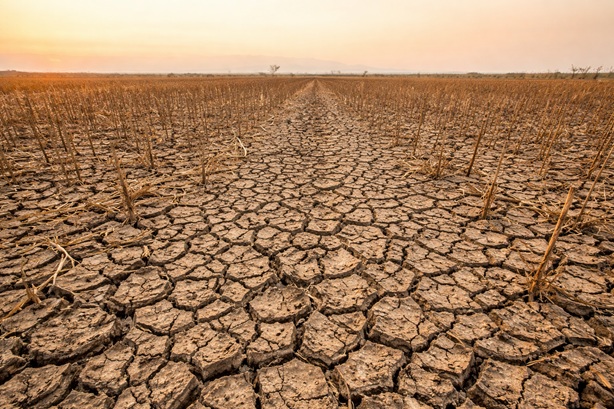
Severe droughts can devastate crops and force farmers off their land, sometimes contributing to conflict in already strained regions. While climate events play a role, economic policies, political instability, and other social factors are also key drivers of displacement and unrest.
Read the full article on our website: Does Climate Change Contribute to Violence and War?

Plastic in the Food Chain
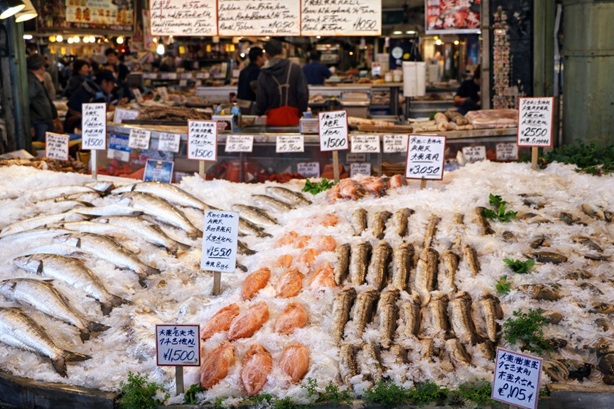
Researchers have found that about a quarter of fish sold in California and Indonesia contained plastic or fibers in their guts, linking ocean pollution directly to the food we eat. While it’s unclear how much risk this poses to humans, plastics can carry harmful chemicals that disrupt hormones and attract toxins. Scientists estimate eight million tons of plastic enter the oceans each year — a growing threat to marine life and people alike.
Read the full article on our website: Plastic in the Food Chain
Where Have All the Boys Gone?
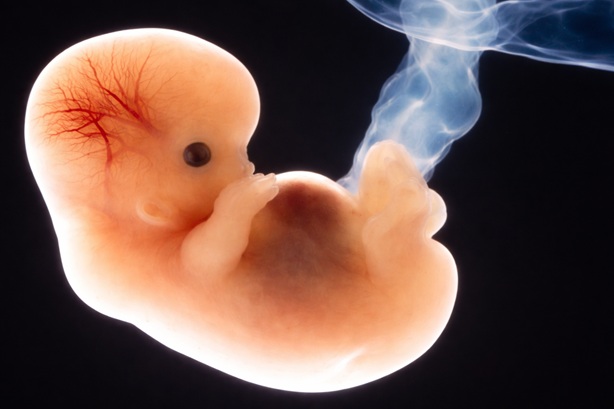
Male births are declining worldwide, and scientists are linking it to endocrine-disrupting chemicals found in plastics, pesticides, and fertilizers. These pollutants interfere with hormones, lowering sperm counts and causing reproductive abnormalities in both humans and wildlife.
Read the full article on our website: Where Have All the Boys Gone?
Oregon Food Processor Wants To Turn Invasive Carp into Organic Fertilizer
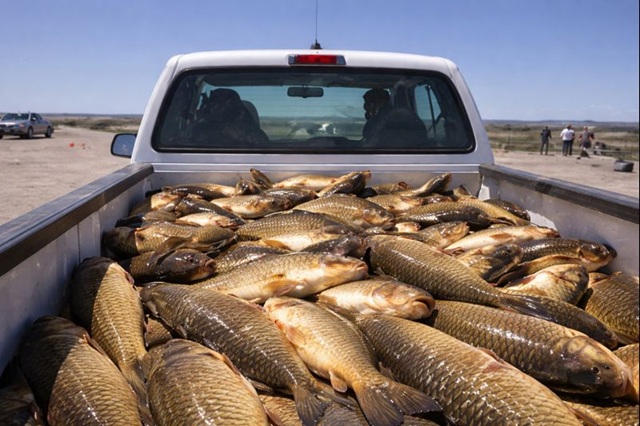
Malheur Lake in Oregon was once a thriving habitat for migratory birds, producing over 100,000 ducklings annually. But since carp were introduced in the early 1900s, they’ve taken over the lake — uprooting aquatic plants, stirring up sediment, and destroying vital nesting grounds.
Now, a new partnership between the Malheur National Wildlife Refuge and Silver Sage Fisheries and Nutrient Company aims to turn the problem into a solution. The company plans to harvest the invasive carp and process them into organic fertilizer for local farms.
During a trial, over 40,000 pounds of carp were caught, marking the first step in a $500,000 project to restore the lake’s ecosystem while creating a sustainable agricultural product.
Read the full article on our website: Turning Invasive Carp into Fertilizer
DO NOT FEED THE DUCKS!

Feeding ducks may seem like a fun, harmless activity, but it can actually cause serious harm to both the birds and their environment. Bread and other human foods are poor substitutes for natural diets of aquatic plants, grains, and invertebrates. Artificial feeding can lead to inbreeding, overcrowding, delayed migration, disease, deformities, and even water pollution.
Decomposing bread also worsens algae growth, pollutes water, attracts rats, and contributes to foul odors. If you want to feed ducks, choose nutritious options like duck pellets, seedless grapes, shredded leafy greens, or grains such as oats and barley.
Read the full article on our website: Do Not Feed the Ducks!
Where Does All the Road Salt Come From?
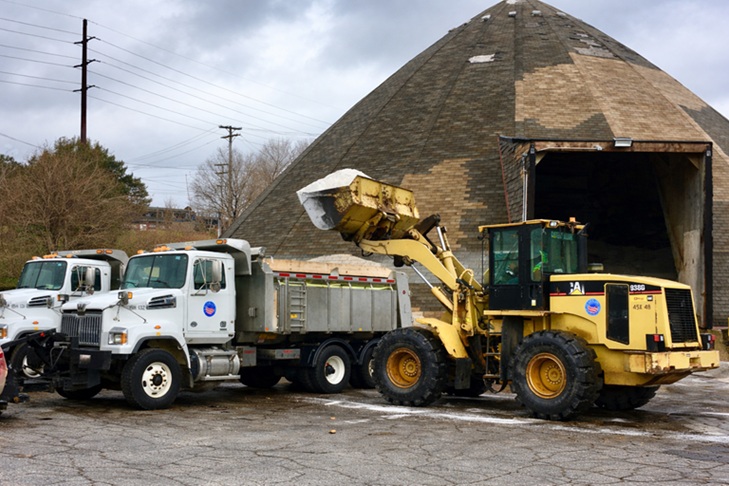
In 2013, U.S. officials applied about 17 million tons of salt to roads to melt snow and ice. While it helps keep roads safe, road salt damages metal and concrete, contaminates drinking water, and harms aquatic ecosystems — with up to 70% of it staying within the watershed.
The U.S. is the world’s second-largest salt producer, after China, and imports around 12 million tons annually, mainly from Canada and Chile. Most rock salt originally formed from ancient oceans that have long since evaporated, leaving massive underground salt deposits.
Read the full article on our website: Where Does All the Road Salt Come From?
 Aquarius Systems
