Author Archives: Aquarius Systems
Algae to Fuel your Automobile
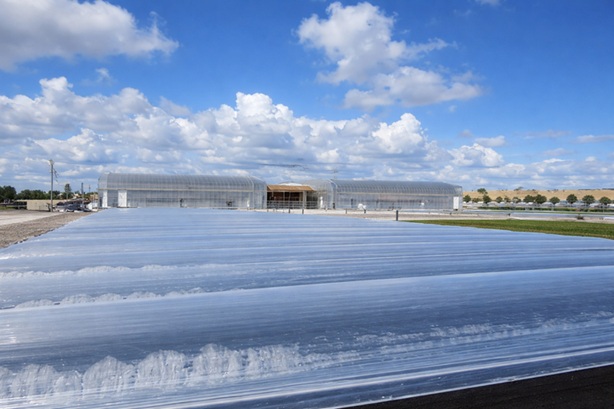
Algenol Biofuels in Florida produces ethanol from algae, using sunlight, CO₂, and saltwater. Unlike harmful algae blooms in lakes, the algae for ethanol is grown in controlled, sealed systems, allowing efficient fuel production without using freshwater or prime farmland.
This process not only creates renewable fuel but also recycles CO₂, reducing greenhouse gas emissions. While challenges remain for large-scale adoption, algae-based ethanol shows promise as a sustainable alternative energy source.
Read the full article on our website: Algae to Fuel Your Automobile
Robert F. Kennedy Jr. to Speak at Carroll University

Robert F. Kennedy Jr., president of the Waterkeeper Alliance, spoke at Carroll University as part of the school’s Year of Water series. His lecture, “Our Environmental Destiny,” highlighted the importance of protecting natural resources and showed how energy independence can go hand-in-hand with environmental stewardship.
Kennedy’s work spans the Waterkeeper Alliance, NRDC, Hudson Riverkeeper, and environmental legal advocacy for indigenous communities, emphasizing global efforts to preserve water and natural resources for future generations.
Read the full article on our website: Robert F. Kennedy Jr. at Carroll University
Farmers Face Tough Choice on Ways to Fight New Strains of Weeds
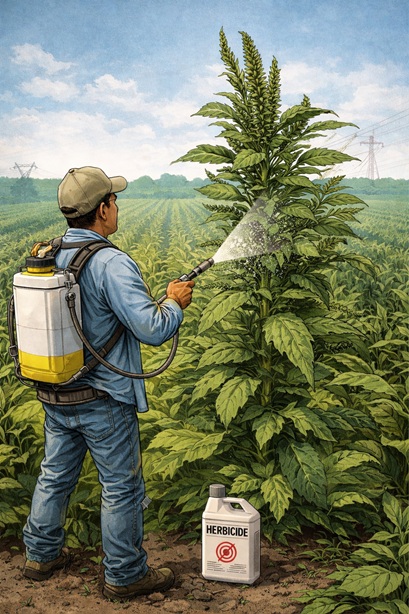
New strains of herbicide-resistant weeds, like Palmer Amaranth (pigweed), are challenging farmers across the U.S. Traditional chemicals like Glyphosate (Roundup) are no longer effective, forcing farmers to explore multiple management strategies, including alternate herbicides and non-chemical approaches.
Experts warn that relying solely on new genetically engineered crops may lead to an endless cycle of resistance, emphasizing the need for sustainable weed management practices.
Read the full article on our website: Farmers Face Tough Choices on Ways to Fight New Strains of Weeds
World Water Day, March 22

World Water Day, observed annually on March 22, highlights the importance of freshwater and sustainable management of water resources. It encourages global awareness, action, and solutions to challenges such as water pollution, scarcity, and the protection of aquatic ecosystems.
Aquarius Systems supports healthy waterways by providing tools and solutions to manage aquatic plants and maintain water quality.
Read the full article on our website: World Water Day, March 22
Keeping Our Waterways Weed Free
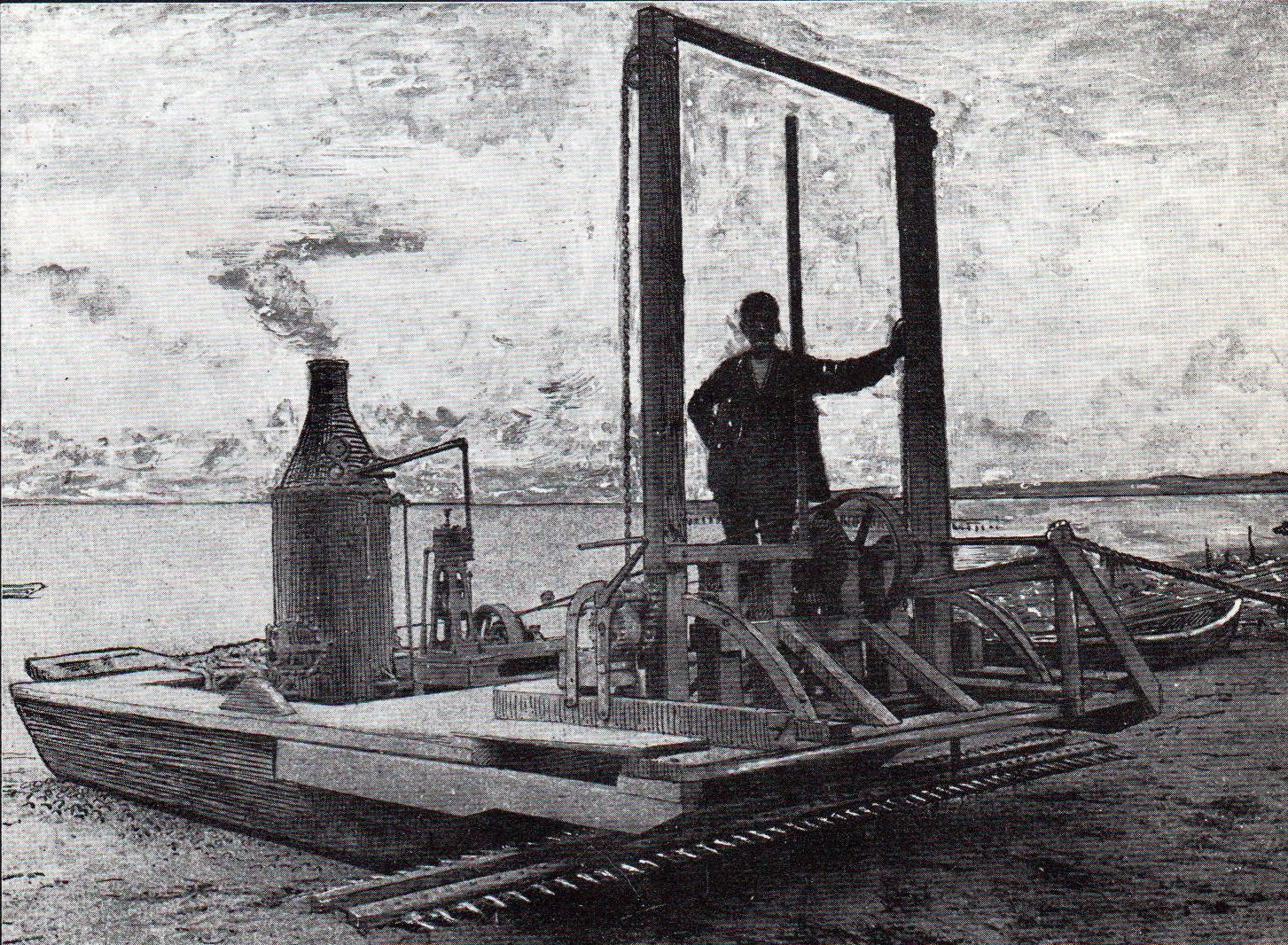
Aquatic weeds have been a challenge for centuries, from manual clearing to the invention of early cutter boats in the 1900s. Today, modern Aquarius Systems weed harvesters act like underwater lawn mowers, cutting and collecting vegetation efficiently while minimizing environmental impact.
Mechanical harvesting removes nutrients, reduces sedimentation, and keeps waterways safe and usable — all without the restrictions of chemicals or herbicides. With ongoing innovation, aquatic weed harvesters continue to evolve to meet the growing global need for healthy, navigable waterways.
Read the full article on our website: Keeping Our Waterways Weed Free
Seaweeds or Sea Vegetables?
When we think of “seaweed” many imagine an unwanted plant, but in other parts of the world, it’s considered a valuable sea vegetable. From sushi rolls to shampoos, aquatic plants are part of everyday life and industry.
Across Asia and coastal Alaska, sea vegetables like nori, wakame, and rockweed are prized for their nutritional and commercial value. Some are even farmed for export or used in products like ice cream, toothpaste and fertilizer.
For over 60 years Aquarius Systems has built equipment to cut and harvest aquatic plants; sometimes to clear waterways, and other times to help collect valuable resources like kelp and rockweed.
Read the full article on our website: Seaweeds or Sea Vegetables?

Toxic Blue-Green Algae
Blue-green algae (cyanobacteria) are naturally present in lakes and streams but can form harmful blooms in warm, nutrient-rich waters. Some produce toxins that can affect humans, pets, and livestock, causing symptoms ranging from skin irritation to serious illness.
These blooms also disrupt ecosystems by reducing oxygen, blocking sunlight, and impacting fish populations, making them a serious concern for water quality and aquatic habitats.
Read the full article on our website: Toxic Blue-Green Algae

EPA Funds to Revitalize U.S. Urban Waters
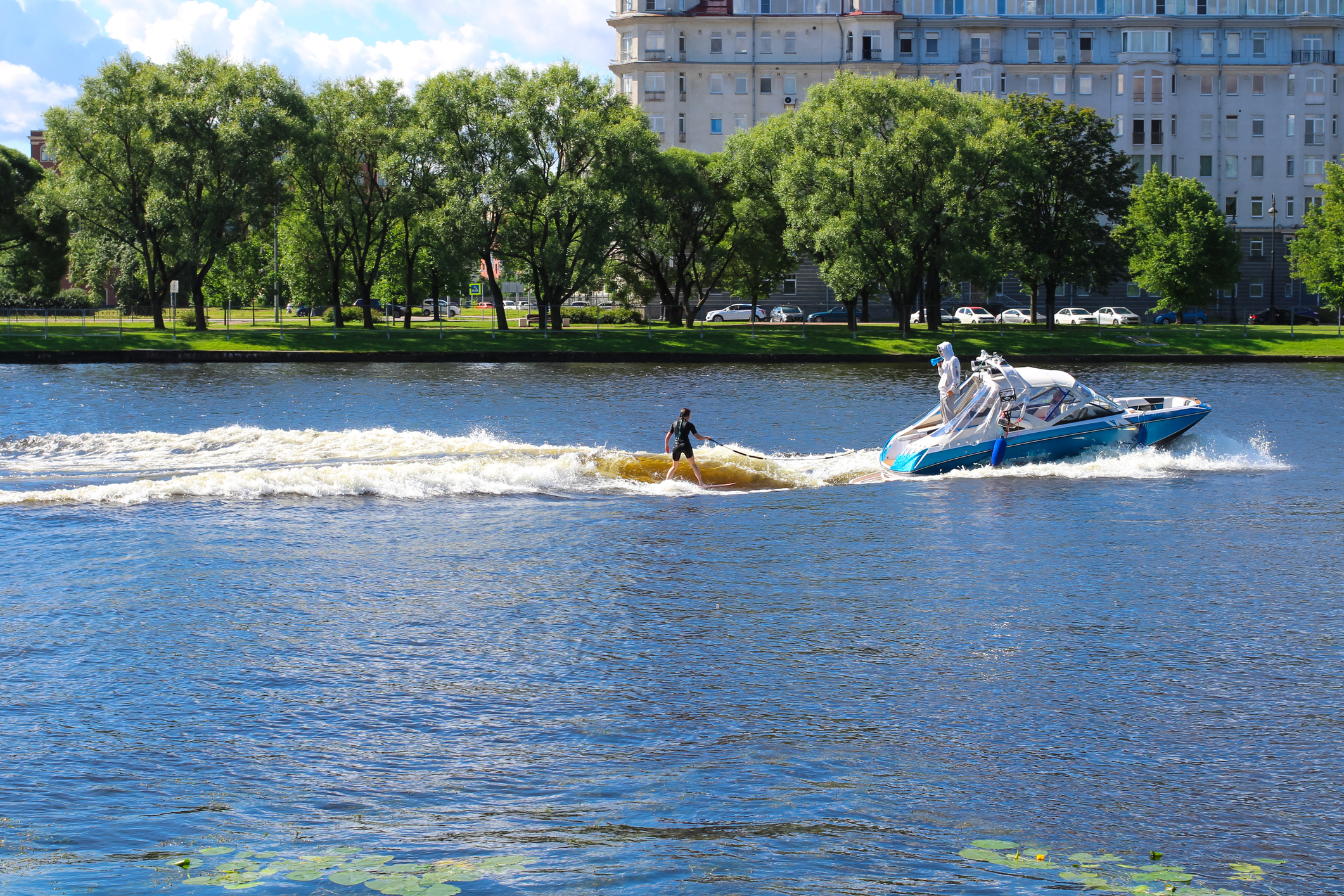
The U.S. EPA is providing nearly $2 million in grants to improve water quality and support community revitalization in urban waterways across the country. The funding supports projects such as water quality monitoring, public education, green infrastructure training, and local watershed planning.
These initiatives help communities restore waterways, promote environmental justice, and create social and economic opportunities, while encouraging residents to actively participate in protecting and improving urban water systems.
Read the full article on our website: EPA to Provide Nearly $2 Million to Revitalize U.S. Urban Waters
Aquatic Weed Harvesting Success in Malawi

Floating aquatic weeds caused major problems for Malawi’s hydroelectric plants, blocking intakes and causing millions in repair costs. To address the issue, Aquarius Systems introduced a mechanical weed management system, including a Swamp Devil™ shredder, weed harvester, and shore conveyor.
The project has eliminated plant shutdowns, improved hydro station efficiency, and created local jobs. Harvested weeds are also repurposed as fertilizer, benefiting nearby farmers while helping control invasive vegetation naturally.
Read the full article on our website: Aquatic Weed Harvesting Success in Malawi
The Nuisance Zebra Mussels
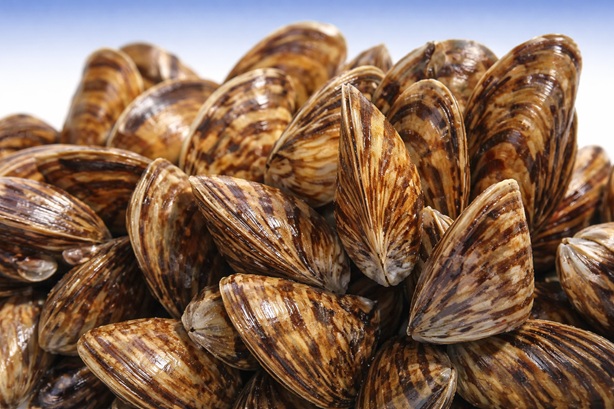
Zebra mussels are small freshwater invaders rapidly spreading across North American lakes. While they filter water, their activity can starve small fish, allowing invasive plants like milfoil to thrive, and making weed harvesters increasingly necessary.
These mussels also impact recreation and industry: they tangle propellers, hinder boating and swimming, and clog industrial water systems, costing billions in maintenance.
Understanding zebra mussels helps communities protect ecosystems, recreation, and infrastructure from their harmful effects.
Read the full article on our website: Zebra Mussels: A Growing Threat
 Aquarius Systems